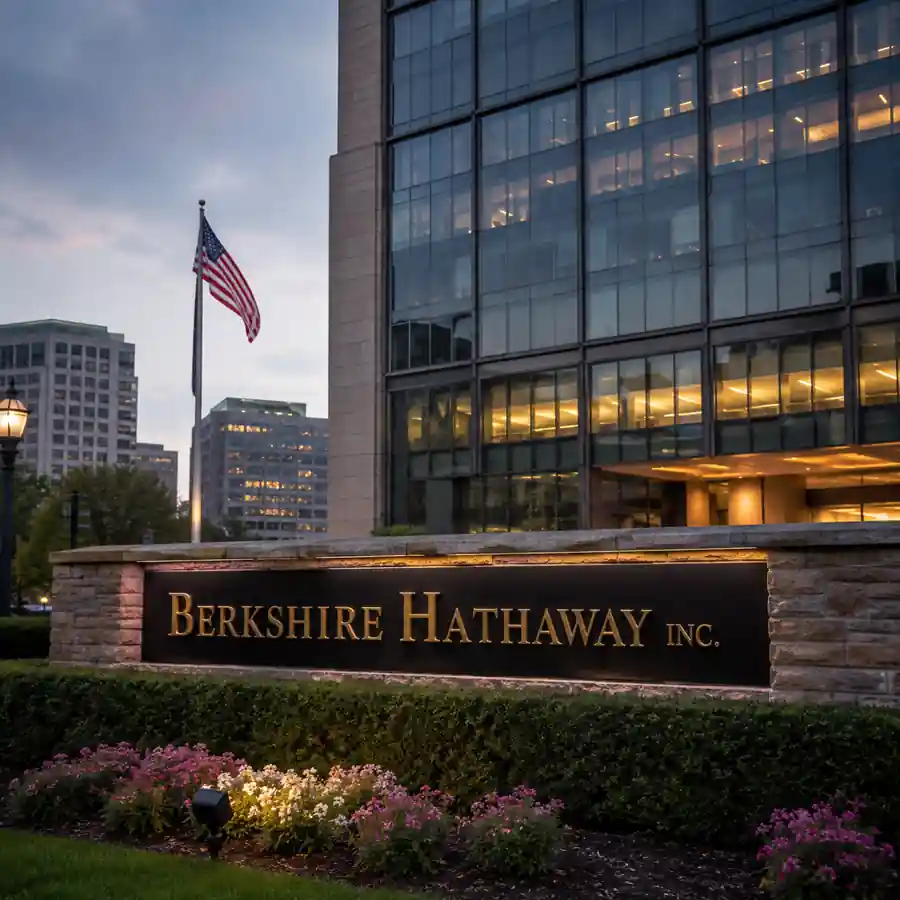

Berkshire Hathaway delivered a stronger-than-expected second quarter, with operating earnings rising 16% to $12.98 billion and revenue increasing about 10% to $101.8 billion. The results were accompanied by a major jump in share buybacks and a decline in the conglomerate’s huge cash reserve, giving investors fresh insight into capital allocation under CEO Greg Abel.
Berkshire repurchased about $4.5 billion of its own shares during the quarter, sharply higher than the $235 million spent in the first quarter. It was the company’s largest quarterly buyback since 2021.
Berkshire’s operating businesses drive growth
Manufacturing, service and retailing operations were among the strongest contributors to the quarter, helping Berkshire deliver double-digit operating earnings growth. Berkshire Hathaway Energy also performed well, while insurance was comparatively weaker.
The result also matters because operating earnings are generally more useful than Berkshire’s headline net income when evaluating the underlying business. Berkshire owns a massive portfolio of publicly traded stocks, meaning quarterly changes in equity prices can cause large swings in reported investment gains and losses even when the performance of its operating companies has changed very little. Investors can find additional financial details in Berkshire Hathaway’s official quarterly reports and SEC filings.
Revenue reaching $101.8 billion also underlines Berkshire’s enormous scale across the US economy, with businesses spanning transportation, electricity, industrial products, consumer operations and financial services.
Insurance weakness offsets part of the gains
Insurance was one of the softer areas in an otherwise strong quarter. Berkshire’s insurance operations remain crucial because they generate large amounts of “float” — money collected in premiums before claims are ultimately paid.
That float provides Berkshire with capital that can be invested across stocks, bonds and other assets. As a result, investors will continue watching underwriting profitability closely even when stronger performance elsewhere supports overall earnings.
$4.5 billion buyback sends an important signal
The acceleration in share repurchases is arguably the most notable development in the report. Berkshire increased buybacks from only $235 million in Q1 to approximately $4.5 billion in Q2.
The increase follows an earlier shift in 2026 when Berkshire Hathaway restarted share buybacks after limited repurchase activity. The latest quarter suggests management became considerably more willing to deploy capital into Berkshire’s own shares.
For long-term shareholders, buybacks can be meaningful because reducing the number of outstanding shares increases the proportional ownership of investors who continue holding the stock.
Cash falls to $365.5 billion
Berkshire’s cash holdings declined to approximately $365.5 billion from a revised $380 billion in the first quarter, a reduction of about $14.5 billion.
The company still has extraordinary financial flexibility. However, the decline is significant after years in which Berkshire’s growing cash pile became one of the biggest questions surrounding its investment strategy.
The $4.5 billion buyback accounts for part of the reduction, while investments, capital spending and other corporate activity can also affect liquidity. Investors will now be watching whether cash continues falling as Berkshire finds additional opportunities.
Read More
BRK.B stock remains above a key buy point
Berkshire Hathaway Class B shares rose about 2% to $521.80 during the previous week. The stock remained above a 512.58 buy point associated with a cup-with-handle technical pattern.
The shares had struggled after Warren Buffett announced in May 2025 that he would step down as CEO at the end of the year, but Berkshire has rebounded over the past three months.
The recovery comes as investors become more comfortable with Greg Abel’s leadership. The transition was closely watched during Greg Abel’s first Berkshire annual meeting without Buffett as CEO, where capital allocation and the preservation of Berkshire’s investment culture were major themes.
What investors are watching next
Berkshire’s enormous public-stock portfolio remains another focus. Major holdings have included Apple, American Express, Coca-Cola, Bank of America, Chevron, Occidental Petroleum and Moody’s.
The company’s next regulatory holdings filing will provide more detail about changes made during the quarter. That disclosure could reveal whether Berkshire bought or sold major positions at the same time it was dramatically increasing purchases of its own shares.
The second-quarter numbers leave investors with several signals: operating earnings are growing, manufacturing and energy businesses remain resilient, share buybacks have accelerated and the cash reserve is finally moving lower.
The key question now is whether the $4.5 billion repurchase represents a one-quarter opportunity or the beginning of more active capital deployment under Abel. Future insurance results, acquisitions, portfolio changes and additional buybacks will help determine how Berkshire uses its $365.5 billion cash position in the post-Buffett era.

Make Swikblog your go-to source on Google for reliable updates, smart insights, and daily trends.