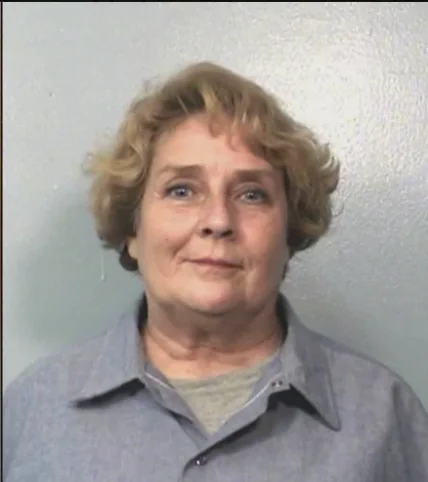

Betty Broderick, the former La Jolla socialite whose name became tied to one of San Diego’s most notorious murder cases, has died at 78 while serving a life sentence in a California prison.
Her death brings renewed attention to a case that never fully disappeared from America’s true-crime conversation. More than 35 years after the killings of her ex-husband, Daniel “Dan” Broderick III, and his second wife, Linda Kolkena Broderick, the story remains one of the most debated examples of divorce, obsession and revenge turning fatal.
Broderick died early Friday, May 8, 2026, at the California Institution for Women in Corona. Officials said she died of natural causes, while the San Bernardino County Coroner is expected to determine the official cause of death.
Betty Broderick’s death renews focus on a case that shocked America
Betty Broderick was not just another convicted murderer in California’s prison system. Her case became a cultural flashpoint because it unfolded inside a wealthy Southern California family and exposed a marriage that collapsed in one of the most violent ways possible.
Before the murders, Betty and Dan Broderick appeared to live a successful and privileged life. They had four children and were connected to the affluent La Jolla community. Dan became a prominent San Diego attorney after years of education and career-building, while Betty later argued that she had helped support him through medical school and law school.
But behind that public image, the marriage had fallen apart. Dan began a relationship with Linda Kolkena, who later became his second wife. The divorce that followed became deeply bitter, with fights over money, custody, status and betrayal.
Prosecutors later described Betty as a furious ex-wife who could not accept that Dan had moved on. They said her anger turned into harassment, threats and eventually murder. Her defense, however, painted a different picture, arguing that she had been emotionally worn down, humiliated and pushed into a desperate mental state after years of conflict.
That divide helped make the case nationally famous. Some people saw Betty as a calculated killer. Others believed she represented a woman discarded after helping build her husband’s success. The courtroom battle became more than a murder trial; it became a public argument about marriage, power, divorce and accountability.
Read More
What happened on the morning of the San Diego murders?
The killings happened in the early hours of Nov. 5, 1989, inside Dan and Linda Broderick’s home on Cypress Avenue near Balboa Park in San Diego.
Investigators said Betty entered the house while the couple was asleep. Authorities said she had taken a key from one of her daughters, giving her access to the home without forcing entry.
Once inside, Betty went to the bedroom and opened fire. Linda Kolkena Broderick was shot in the head at close range. Dan Broderick was shot in the chest as he reacted and tried to get out of bed.
One of the most disturbing details from the investigation was what happened after Dan was shot. Detectives said he tried to reach the telephone, but Betty pulled the phone from the wall, stopping him from calling for help.
The violence stunned San Diego. The victims were well known in local social and legal circles, and the case quickly became a national story because of the dramatic background leading up to the murders.
Reports from the time described years of escalating conflict before the shooting. Betty had allegedly driven her car into Dan’s home, burned his clothes and left obscene messages. Prosecutors used those incidents to argue that the murders were not sudden, but the final act of a long campaign of rage.
Betty never denied killing Dan and Linda. The question at trial was why she did it and whether her mental state should change how the law viewed her actions.
Trial, conviction and decades behind bars
Broderick’s first trial ended with a deadlocked jury. In 1991, she was convicted in a second trial of two counts of second-degree murder. She was later sentenced to 32 years to life in prison.
She spent the rest of her life incarcerated. Over the years, she appeared before parole officials multiple times but was repeatedly denied release. Parole boards questioned whether she had shown enough remorse and whether she had fully accepted responsibility for the murders.
That issue followed her for decades. Even long after the killings, public debate continued over whether Betty Broderick was a symbol of rage after betrayal or simply a murderer who refused to take accountability.
The case also lived on through television. It inspired dramatized films, true-crime programs and later streaming-era retellings that introduced the story to new audiences. Each version revived the same difficult questions: Was Betty a victim of emotional abuse, a jealous ex-wife, or both? And did any of that explain, but not excuse, the deaths of Dan and Linda?
For the families involved, however, the case was never just entertainment. Dan and Linda were killed in their own bedroom, and Betty and Dan’s four children were left to live with the consequences of a tragedy that became public property.
Betty Broderick’s death at 78 ends her time in prison, but it does not end the public fascination with the case. Her name remains tied to one of the most infamous divorce-related murder cases in modern American history, a story still remembered for its wealth, bitterness, violence and lasting emotional damage.

Make Swikblog your go-to source on Google for reliable updates, smart insights, and daily trends.