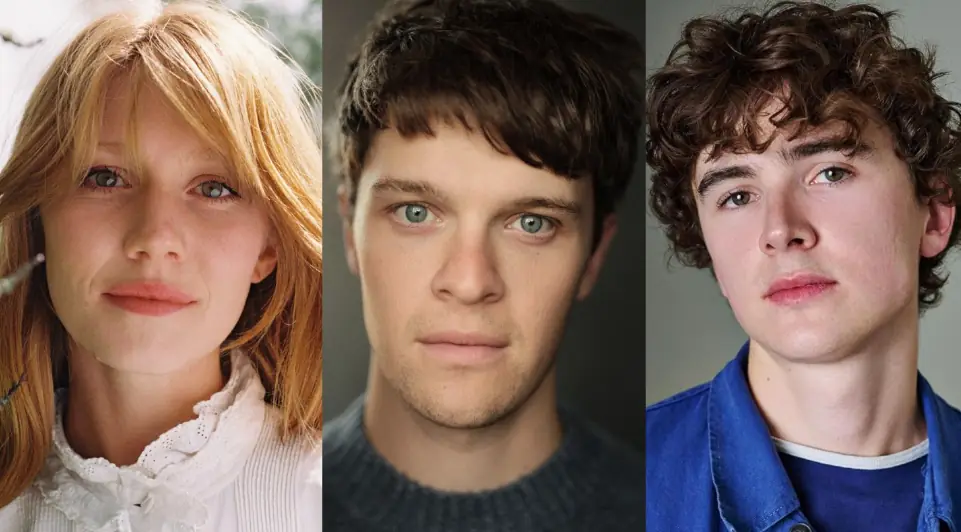
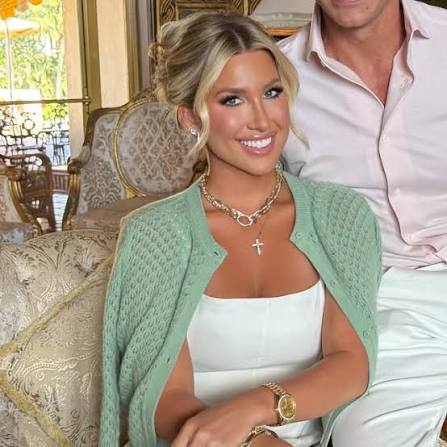
A Hollywood lawsuit has a new front line, and it is not a courtroom soundbite or a carefully worded statement. It is a handful of private messages — excerpts of text exchanges between Blake Lively and Taylor Swift — now public after being partially unsealed as part of the widening legal fight around It Ends With Us.
In the newly revealed portions, Lively appears to vent to swift about the film’s director and co-star Justin Baldoni, describing him in blunt terms, including “this doofus director of my movie” and “a clown”, according to court documents cited in recent reporting. The messages have been seized on by Baldoni’s legal team as evidence of behind-the-scenes tension and alleged pressure during disputes over script changes and creative control.
The details landed with tabloid velocity for one obvious reason: Swift is not a party to the case. Yet her name keeps resurfacing — sometimes as a symbol of star power, sometimes as a potential witness — in a dispute that has become as much about influence as it is about claims and denials. In filings and in headlines, the fact that one of the world’s biggest pop stars is even adjacent to the story has proved impossible for the internet to ignore.
The unsealed excerpts also include a key allegation from Baldoni’s side: that Lively asked Swift to endorse a revised script “even without having read it” while Swift was, allegedly, already on her way to visit Lively at her home — at a moment when Baldoni was still there for a meeting. In the portion attributed to Swift, she replies enthusiastically: “I’ll do anything for you !!” In another message, Lively thanks Swift in vivid language, calling her “so epically heroic today” and later praising her as the “worlds absolute greatest friend ever”.
Lively’s attorneys, however, argue that the newly unsealed texts are being presented without the full thread and without crucial context. In filings dated January 20, they pointed to Lively’s sworn testimony describing the moment differently: she said she sent Swift the script because Swift was already on the way over, and she asked her to read it — but also told her she did not have to and that she did not want her to feel pressured. The result is a familiar collision: spicy excerpts on one side, competing interpretations of intent on the other.
What makes the messages legally relevant — and culturally combustible — is the argument that star relationships shaped decisions on the production. Baldoni’s legal team has previously framed Swift as part of an outside circle that Lively could draw on during disputes about the film. In earlier claims, Baldoni alleged Lively referred to Swift (and her husband, Ryan Reynolds) as her “dragons”, suggesting a protective force in negotiations. Lively’s team has not denied the language in public reporting, but has again argued that excerpts are being weaponised while fuller context is left out.
Swift’s representatives have also pushed back strongly against the idea that she had any meaningful role in the film’s creative process. After a subpoena attempt in 2025, a spokesperson said Swift never visited the set, was not involved in casting or creative decisions, did not score the film, did not review edits, and did not provide notes — adding that her connection was limited to licensing a single song, “My Tears Ricochet”. The statement accused Baldoni’s side of using her name to generate public interest rather than sticking to the underlying facts.
That tension — between legal relevance and celebrity gravity — now sits at the centre of the public narrative. For readers, the story is not simply that a court unsealed messages. It is that private friendship language, sent in a moment of pressure, has been pulled into a legal arena where every word is a potential exhibit, and every name carries a different kind of weight.
The legal battle itself has been running for more than a year. Lively sued Baldoni in late 2024, alleging sexual harassment and retaliation — claims he has denied. Baldoni later filed a $400 million countersuit, which was dismissed, leaving both sides still fighting over evidence, testimony and narrative as the case advances. The recently unsealed texts were made public ahead of a summary judgment hearing scheduled for January 22, 2026, and a trial date currently set for May 18, 2026, according to entertainment coverage of the filings.
For now, the messages sit in an uncomfortable space: intimate enough to feel like a leak, formal enough to be stamped with the authority of court procedure. And as the case moves toward the next hearing, the question hanging over the headlines is not only what else might be unsealed — but how many more famous names will be dragged into a fight they did not start.
Source reporting: People’s coverage of the partially unsealed court filings.

Make Swikblog your go-to source on Google for reliable updates, smart insights, and daily trends.