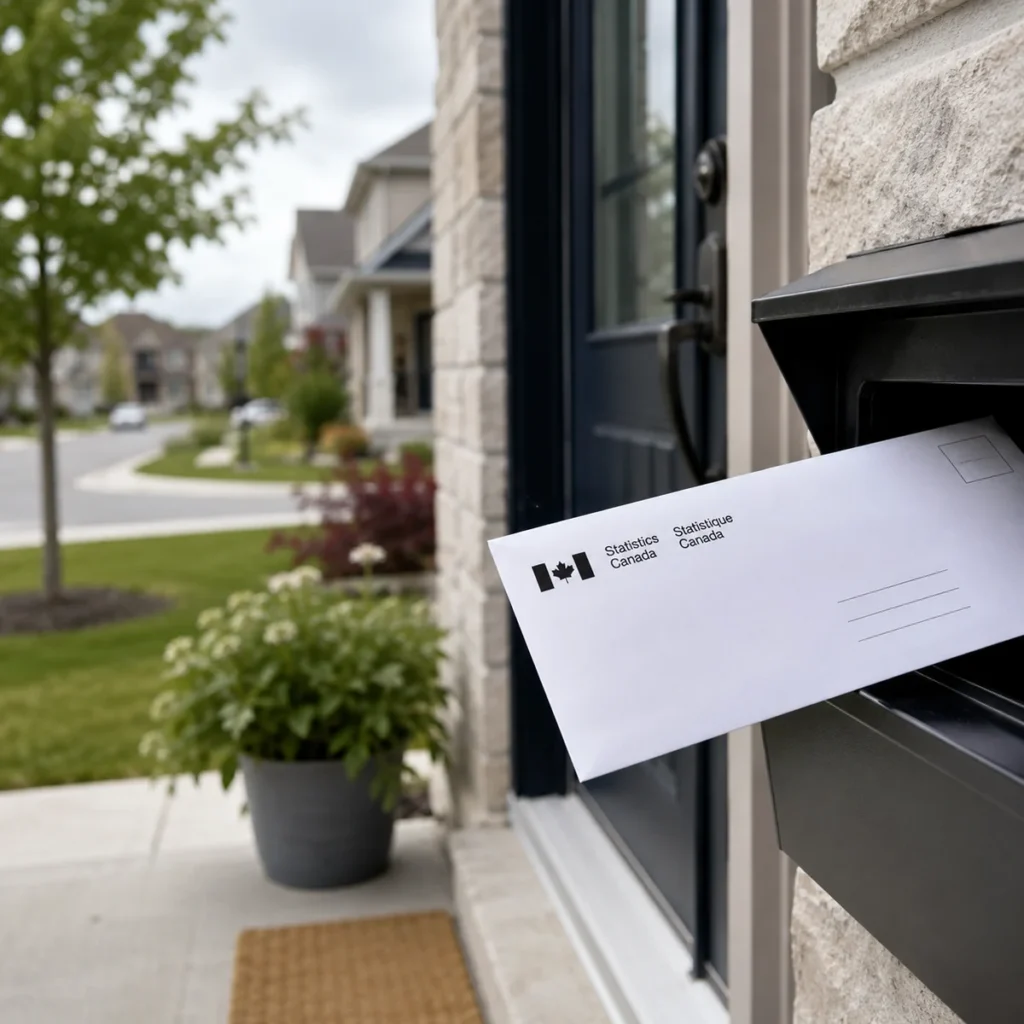

Canada’s 2026 census follow-up campaign begins in June, with Statistics Canada staff expected to contact households that have not yet completed their mandatory questionnaire. For residents who missed the earlier response window, that could mean a phone call, a reminder, or a door visit from a census employee in the coming weeks.
Statistics Canada says the follow-ups are designed to collect missing responses for the 2026 Census of Population, which gathers information used to plan public services, infrastructure, health care, schools, housing, transportation and community programs across the country. Millions of households have already responded online, on paper or by phone, but the agency is now moving to reach those still outstanding.
The census is carried out every five years and remains mandatory for Canadian households. The 2026 collection began in early May, when census information was mailed across the country. Some households reported delays or confusion around their letters, while others may have misplaced the access code or simply missed the earlier deadline. The follow-up stage gives those residents another chance to complete the questionnaire before enforcement becomes a concern.
Key points for households that missed the census questionnaire
Door visits and phone calls are now part of the official follow-up process. Census employees, also known as enumerators, may contact households where Statistics Canada has not yet received a completed questionnaire. Their role is to remind residents, answer basic questions and help people complete the form if they are unable to do it on their own.
Residents can verify census staff before sharing information. Every official census employee should carry identification showing the Statistics Canada identifier, their name, employment number and photo. If someone calls or appears at the door, households can contact the Census Help Line at 1-833-852-2026 to confirm whether the person is legitimate.
For people with hearing or speech impairments, Statistics Canada has also listed a support number at 1-833-830-3109. The agency says assistance is available for residents who need help completing the questionnaire, including those who may have difficulty using the online form or who did not receive their original census package.
The safest route for residents is to use the official 2026 Census website or verified phone support, rather than responding to suspicious messages or links. Official census communication should not ask for banking details, credit card information or payment information.
Why the census follow-up matters across Canada
The 2026 census is not only a national count. It shapes how governments understand population growth, ageing communities, household size, language needs, income patterns and local service demand. For fast-growing cities, rural communities and provinces dealing with shifting population trends, accurate census data can affect long-term planning decisions.
Population change has already become a major issue in Canada’s economic and public-policy debate. Earlier coverage of Canada’s first population decline since the pandemic showed how migration, temporary residents and demographic shifts can quickly alter the national picture. The census gives governments a deeper, more reliable base for understanding those changes beyond short-term estimates.
That is why Statistics Canada continues to push for a complete response. Missing households can weaken the accuracy of local data, especially in smaller communities where even a modest number of incomplete responses can affect the picture used for planning schools, clinics, roads, housing and family services.
Although officials have previously noted that penalties can apply to households that refuse to complete the mandatory census, the immediate focus of the follow-up campaign is collection and assistance. Residents who receive a visit should not panic, but they should take the contact seriously and verify the employee if they have concerns.
For households that still have not completed the form, submitting the questionnaire soon is the simplest way to avoid repeated follow-ups. The door-to-door stage means census staff may now be more visible in neighbourhoods across Canada, but the goal remains straightforward: to make sure the 2026 Census gives an accurate picture of the people, families and communities it is meant to count.

Make Swikblog your go-to source on Google for reliable updates, smart insights, and daily trends.