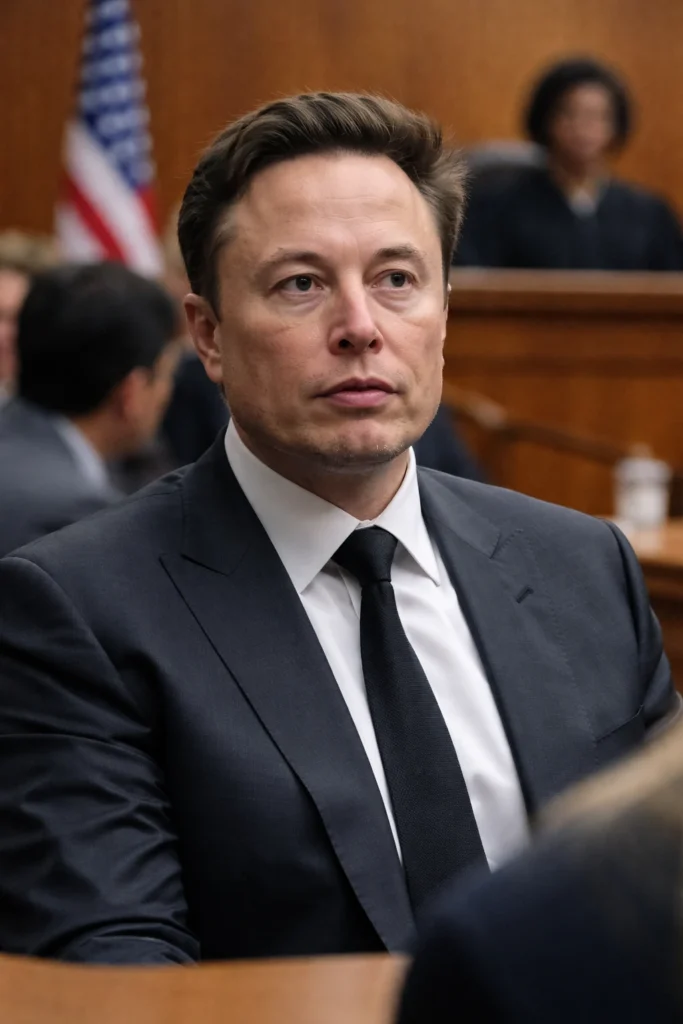

Elon Musk is set to take the witness stand in San Francisco in a courtroom fight that’s been hanging over the 2022 Twitter takeover for nearly four years — a shareholder lawsuit that claims his tweets and public comments pushed Twitter’s stock around during the most chaotic stretch of the deal.
At the center of the case is a blunt allegation from investors: Musk, then the world’s most closely watched corporate dealmaker, used the megaphone of his own account to send mixed signals about the buyout process, allegedly depressing Twitter’s market value and improving his leverage as he worked toward buying the platform for $44 billion. Musk denies any wrongdoing and argues his posts reflected legitimate concerns and did not drive the stock’s declines.
A jury trial built around a few lines of text
The lawsuit is being tried before a jury in US District Court in San Francisco. Investors say the market reacted sharply to Musk’s posts during May 2022, a period when the takeover agreement existed on paper but confidence in closing it was repeatedly tested.
The focal point, according to testimony and court filings previewed ahead of Musk’s appearance, is a sequence of statements about spam and fake accounts. One post in particular has become the headline exhibit: Musk said the Twitter purchase was “temporarily on hold” as he sought more information about bots on the platform. Investors say that message clashed with what Twitter’s leadership was communicating internally at the time — that the transaction was still moving ahead — and that the mismatch contributed to a rapid drop in the share price.
In plain terms, the plaintiffs’ story is that the world’s biggest deal became an even bigger trading event, with volatility amplified by Musk’s online commentary. Their lawyers are expected to press Musk hard on intent, timing, and consistency: whether his public posture matched the private reality of the contract he had already signed.
The bot dispute that became market turbulence
Spam accounts were a real issue on Twitter long before the acquisition drama, and Musk has argued he was raising a genuine concern. The investors’ counterpoint is narrower: even if bots were a legitimate topic, they say Musk’s framing and timing were misleading in a way that mattered to the market.
The stock’s swings became part of the takeover’s narrative. After Musk’s “on hold” post, Twitter shares fell and stayed choppy through the summer as Musk criticized the company’s business, questioned its metrics, and signaled he might walk. Twitter eventually sued to force the deal to close, and the transaction was completed in October 2022. Soon after, Musk renamed the company X.
For investors who held Twitter stock through the back-and-forth, the question is not whether the deal was dramatic — it was — but whether a controlling public voice crossed a legal line by making statements that securities laws treat as materially false or misleading.
Musk’s testimony carries extra weight after earlier court wins
Musk has spent years fighting high-profile claims tied to his social media posts. He previously testified in a 2023 trial involving Tesla shareholders who said he misled investors with the “funding secured” tweet about taking Tesla private in 2018. Musk won that case, a history his legal team can point to as evidence that juries have been skeptical of attempts to turn his social posts into securities-fraud liability.
Still, this trial is structurally different. The events are more recent, the deal involved a public company acquisition under intense scrutiny, and the market impact argument is built around a live timeline of posts, price moves, and corporate responses. That puts Musk’s credibility — and the precision of his language — at the center of the jury’s task.
A separate SEC case keeps the takeover under regulatory heat
Beyond the investor trial, Musk is still facing an enforcement case from the US Securities and Exchange Commission related to his initial Twitter stake. Regulators allege he waited too long to disclose that he had crossed a key ownership threshold, which the agency says enabled him to buy additional shares at lower prices before the market fully understood how large his position had become. Musk disputes that claim as well.
Together, the two cases extend the same theme: whether Musk’s public communications and disclosure timing unfairly shifted outcomes in a market that was trying to price a fast-moving situation.
Market attention turns from history to liability
Even though Twitter is no longer a listed stock — it became private when the acquisition closed — the courtroom drama still lands inside the broader investing conversation because it tests a question that keeps resurfacing across modern markets: where the line sits between commentary and market manipulation when the speaker is both a celebrity and an economic actor with billions at stake.
For shareholders who say they were harmed, the case is a bid to establish that a tweet can function like a corporate disclosure when it comes from a buyer who can move a stock with a few words. For Musk, it is a test of whether his public style — direct, improvised, and often combative — is protected speech or actionable misrepresentation once it collides with securities law.
The jury is expected to hear Musk’s account of his thinking during those May 2022 posts, along with cross-examination aimed at turning the timeline into motive. The verdict could turn on a simple but consequential point: whether the statements were materially misleading in context, and whether the plaintiffs can connect them directly to investor losses rather than the broader uncertainty of a takeover that was already wobbling.
Note: This article is for informational purposes only and is not investment or legal advice.
You May Also Like
MicroStrategy Stock Price Today Jumps as Bitcoin Surges Above $71,000 and MSTR Expands BTC Holdings
Read more reporting on the testimony schedule and the investor claims in this Associated Press coverage of the Twitter shareholder trial.

Make Swikblog your go-to source on Google for reliable updates, smart insights, and daily trends.