
Auckland’s waterfront has become the centre of a swift public health response after exotic mosquito larvae were discovered in a routine trap at Queens Wharf. It may sound like a small, technical find, but for health officials, it is exactly the kind of discovery that demands immediate action. The species identified—Aedes aegypti—is not normally found in New Zealand and is known globally for spreading diseases such as dengue, Zika, chikungunya and yellow fever.
The larvae were detected on March 30 during routine surveillance, triggering a coordinated response from multiple agencies. Medical Officer of Health Dr David Sinclair confirmed on April 1 that there was currently no wider public health or biosecurity risk, noting there was no indication the mosquitoes had become established.
“We have started intensive monitoring and trapping to ensure there are no other specimens and they cannot become established,” Dr Sinclair said, highlighting the importance of acting early.
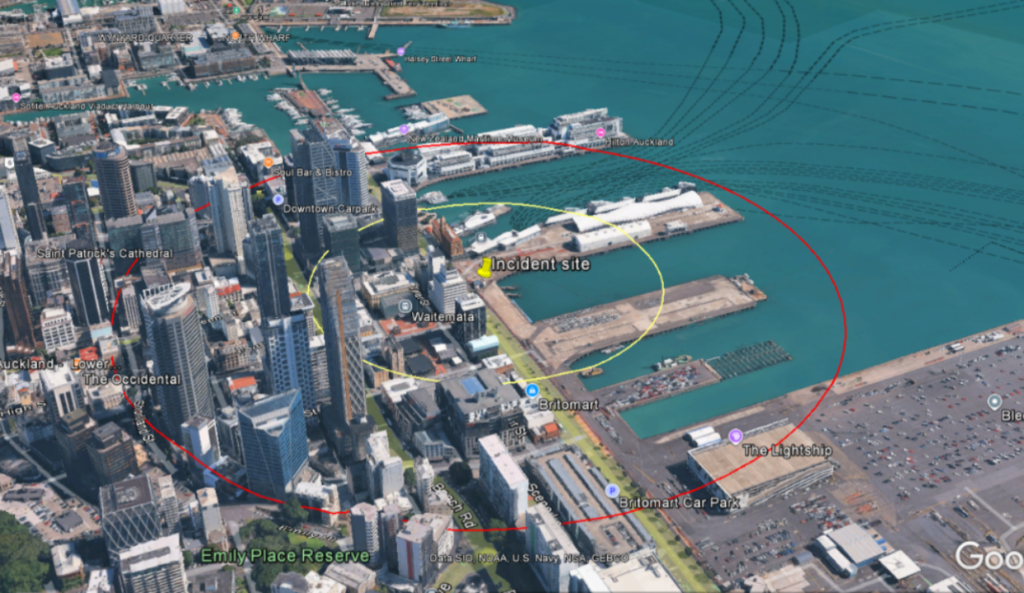
The discovery was made at Auckland’s Queens Wharf, a location that sits on the front line of New Zealand’s biosecurity system. International ports receive constant arrivals of cargo, containers and equipment, making them one of the most likely entry points for invasive species. Health authorities routinely monitor these areas to detect threats before they spread, and this case shows how those systems are designed to work.
In response, the National Public Health Service launched a three-week surveillance and interception programme covering a 400-metre radius around the wharf. The operation involves health protection officers searching for breeding sites, sampling larvae and treating areas where mosquitoes could potentially multiply.
Why this Auckland mosquito discovery matters
While the word “larvae” may sound technical, the concern is straightforward. Aedes aegypti is one of the most closely monitored mosquito species worldwide because of its ability to transmit serious diseases in warmer regions. Its detection in Auckland does not mean those diseases are present, but it does signal a species authorities are determined to keep from establishing itself.
As part of the response, traps have been carefully hidden in places such as old tyres, bushes and small pools of standing water—locations where mosquitoes are most likely to breed. Officials have issued a clear advisory asking the public to avoid touching or disturbing these traps, as interference could disrupt monitoring efforts and slow down containment.
The response also includes detailed fieldwork, with teams actively identifying breeding sources, collecting samples and treating affected areas. These steps are designed to confirm whether the discovery is isolated and eliminate any remaining specimens before they can spread.
Residents and businesses near Queens Wharf have been encouraged to remove standing water from containers, pots and outdoor spaces. Even small amounts of water can create ideal breeding conditions, making simple preventive actions highly effective.
Authorities have also asked the public to report any dead mosquitoes found near the area to a 24-hour hotline so they can be collected and tested. This helps officials track the situation more accurately and respond quickly if needed.
Health officials have stressed that exotic mosquitoes are occasionally detected at international ports, and that routine surveillance systems are specifically designed to manage these risks. Early detection, they say, is the key to preventing long-term problems.
The situation is being handled as an interception effort, with coordination between the National Public Health Service, the Ministry for Primary Industries, Ports of Auckland and Auckland Council. This multi-agency approach ensures that any potential threat is addressed quickly and efficiently.
The broader picture adds context to why this discovery matters. Increasing global trade, travel and changing environmental conditions have made it easier for species to move across borders. For island nations like New Zealand, strong border biosecurity and rapid response systems are essential to prevent invasive species from gaining a foothold.
Once a mosquito species like Aedes aegypti becomes established, it can be extremely difficult and costly to eliminate. That is why authorities act aggressively at the first sign of detection.
For now, officials are urging calm. There is no evidence of an established mosquito population, and the situation remains under control. The message to the public is simple: stay aware, follow guidance and avoid interfering with response measures.
If you want to understand why this species is taken so seriously worldwide, the World Health Organization’s dengue guidance explains how mosquito-borne diseases spread and why prevention is critical.
This incident is a reminder of how public health systems operate behind the scenes. Most of the time, surveillance efforts go unnoticed. But when something unusual appears, those systems move quickly to contain it before it becomes a bigger issue.
Over the coming weeks, monitoring teams will continue their work across Queens Wharf, checking traps, analysing samples and ensuring no further specimens are found. The goal is clear: confirm this was an isolated detection and prevent an exotic mosquito from establishing itself where it does not belong.
You may like: Canada Lotto Max winning numbers for March 31, 2026

Make Swikblog your go-to source on Google for reliable updates, smart insights, and daily trends.