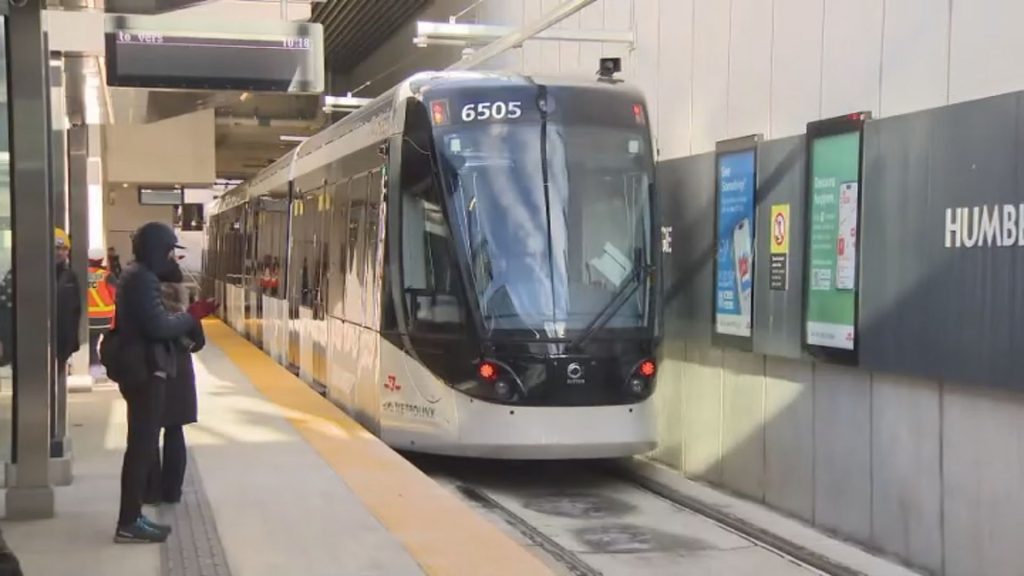
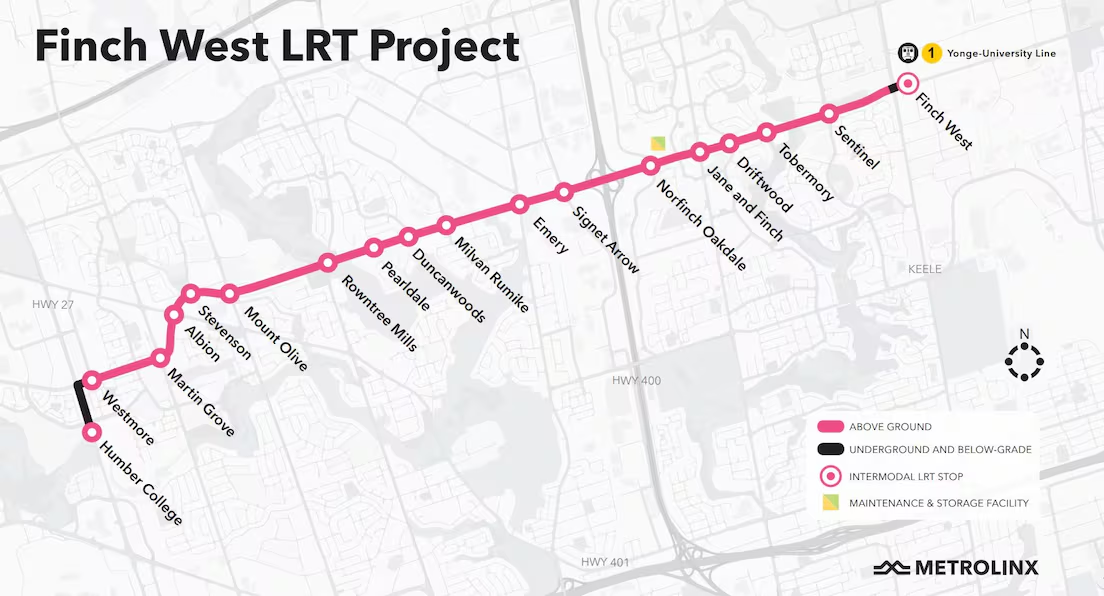
Toronto finally has a brand-new transit line. After years of construction, political fights and ballooning costs, the Finch West LRT has opened in the city’s northwest — a 10.3-kilometre rail corridor meant to speed up commutes for tens of thousands of daily riders.
But on its first weekday morning, the new line delivered a surprise. A full westbound run from Humber College to Finch West Station took around 55 minutes, while the eastbound return trip clocked about 47 minutes. That means Toronto’s newest rail line currently takes nearly as long to cover 10 kilometres as runners do in a standard Toronto Marathon 10K race.
For riders hoping for a fast, game-changing commute, the question is unavoidable: how did a $3.7-billion rapid transit project end up moving this slowly — and will it get any faster?
What the Finch West LRT was built to deliver
The 18-stop line connects Humber College to Finch West Station on Line 1, linking with 30 TTC bus routes and regional systems such as York Region Transit and MiWay. It was designed as a dedicated median LRT with protected tracks and fewer stops than the old Finch bus route.
On paper, this should have translated into a noticeably quicker trip. Planning documents projected an approximate 38-minute end-to-end run once fully optimised.
The trains themselves are modern, winter-tough Alstom Citadis vehicles with capacity for nearly 300 passengers. They’re designed to operate at consistent speeds in mixed urban conditions, with the kind of hardware used in systems across Europe and North America. Even Alstom has highlighted the vehicles’ ability to handle Toronto’s harsh climate and high-frequency operations on its official press release. For reference, see: Alstom official details.
So why is the line so slow?
Early operations reveal several factors holding the LRT back:
- Soft-opening mode: The TTC is running Line 6 under “initial operations” until at least Spring 2026. Trains run from 6 a.m. to 10 p.m. most days, with overnight service replaced by buses so engineers can collect data and adjust the system.
- No full transit signal priority yet: The LRT still stops at several standard traffic lights along Finch Avenue West. For now, trains are obeying full red-light cycles rather than receiving automatic priority. Transit experts have emphasised that once priority is activated, travel times should improve significantly. The City of Toronto has previously said signal priority will be considered after observing how the line performs in early weeks. More background: City of Toronto transportation updates.
- Operator familiarisation: Operators are still completing training and adjusting to the new corridor. As with many new rail lines, agencies run more cautiously at first before tightening schedules.
According to TTC service plans, Line 6 should eventually run every 6½ minutes at peak and every 10–12 minutes during off-peak hours. For now, though, conservative speeds mean the line struggles to outperform the old Finch West bus in real-world time savings.
The marathon comparison
In this year’s Toronto Marathon 10K event, more than 400 people ran the distance in under 55 minutes. That comparison spread quickly among riders online, with TikTok videos showing trains sitting through multiple light cycles. It captures a simple truth: the LRT is currently running more like a cautious streetcar than a rapid suburban rail line.
Until signal priority is fully active and operators gain confidence, the marathon analogy is likely to remain — at least in the short term.
What needs to happen next?
Transit researchers and community advocates converge on three major fixes:
- Activate full transit signal priority: Without this, the LRT behaves like a bus in a dedicated lane. Turning on priority would remove several minutes of delay.
- Optimise operator schedules: As staff gain experience, the TTC can cut run-time padding and tighten headways.
- Improve local access: Riders say the wider spacing between LRT stations compared to the bus route means the TTC must ensure buses, sidewalks, and cycling routes link cleanly to the new stations.
Most of these solutions require policy choices rather than new construction — a telling reminder that the success of the LRT is now a matter of governance, not engineering.
A huge investment, a cautious launch
The project has been in development since 2007, with construction beginning in 2019. The latest cost estimate puts the Finch West LRT at $3.7 billion, well above early forecasts. Cost overruns were attributed to pandemic delays, utility relocations, and complex urban construction challenges.
Those numbers create high expectations. Riders want to see the investment translate into a genuinely faster, more reliable service — something that will require operational changes over the coming months.
Neighbourhood optimism and worry
Residents along the corridor, especially in the Jane–Finch community, see the LRT as long overdue. Many hope it will improve job access, shorten commutes and encourage investment in local businesses. Others fear that improved transit will speed up gentrification and rising rents, a pattern seen in other cities when new rail lines open.
For now, riders are cautiously optimistic. The LRT is comfortable, modern, and finally real — but the dream of a fast, reliable northwest corridor remains a work in progress.
The bottom line
Toronto’s newest transit line isn’t broken — just slower than expected. The hardware is in place, the trains are running, and the route is finally open. What remains is a political question: will Toronto actually let the Finch West LRT operate at the speed it was designed for?
Until then, the marathon comparison might continue — a reminder that even new trains need green lights to run like true rapid transit.
You may also like
Source of Information
This article includes reporting and verified details from CBC News – Toronto .

Make Swikblog your go-to source on Google for reliable updates, smart insights, and daily trends.