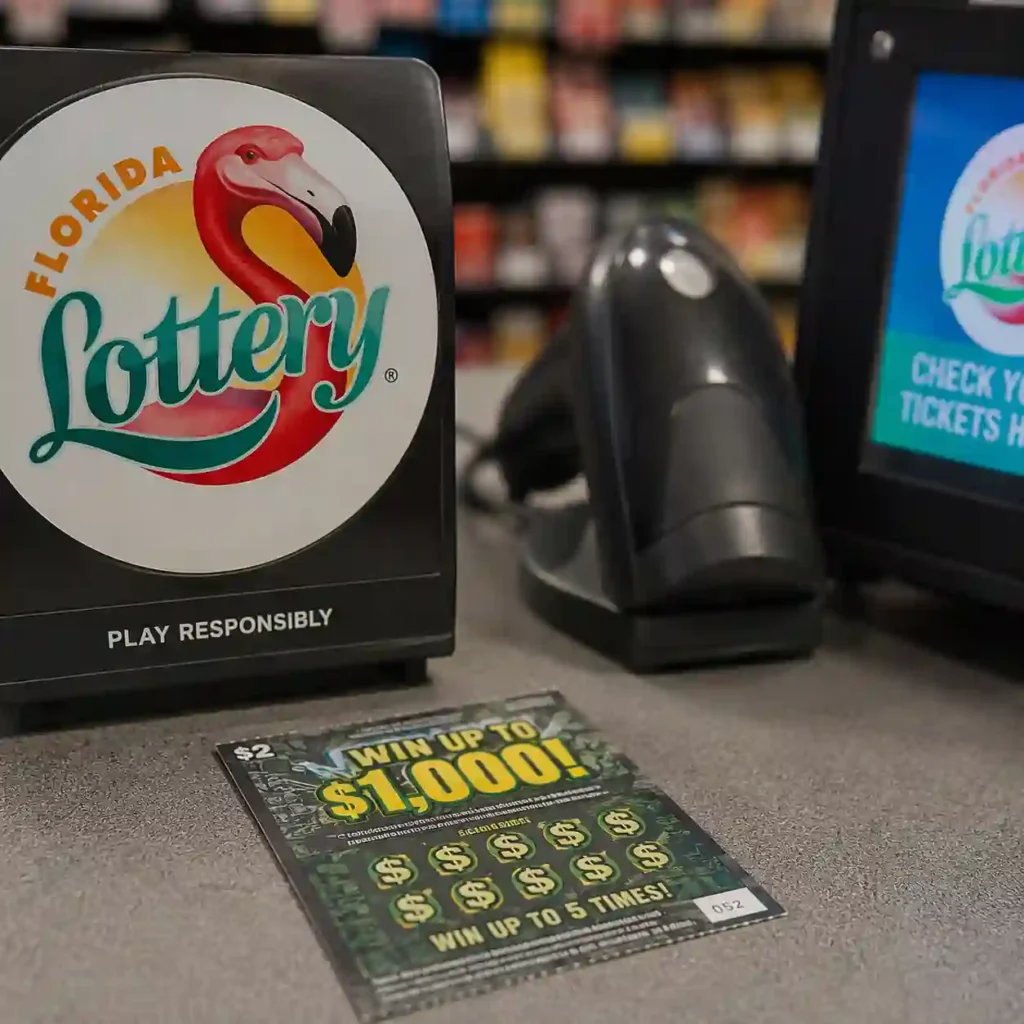

A Florida Lottery security operation intended to test retailer honesty has led to criminal charges against a convenience store clerk in Panama City after authorities alleged he kept a winning scratch-off ticket and later arranged for the prize claim to be transferred for cash.
The investigation centers on Rohail Akbar Khan, an employee at Bay Food Mart. According to state lottery officials, the incident began during a retailer compliance check, a process used to verify that store employees correctly handle winning tickets and provide customers with accurate information about prizes.
Investigators said an undercover representative presented a specially tracked scratch-off ticket that carried a $1,000 prize. Rather than returning the ticket and the accompanying claim instructions, Khan allegedly kept both items. Authorities later concluded that the right to claim the winning ticket was sold to another person for $800.
The alleged plan unraveled when an attempt was made to redeem the prize at Florida Lottery headquarters in Tallahassee. Because the ticket had been entered into the agency’s compliance-testing system before the operation began, officials immediately recognized it as part of an ongoing investigation. That alert prevented the prize from being paid and triggered a deeper review by lottery security investigators.
Following the investigation, Khan was arrested and charged with one count of dealing in stolen property, a felony offense, and one count of unlawfully selling the right to claim a lottery prize, a misdemeanor. The allegations remain accusations, and the case will proceed through the legal system.
Why Lottery Compliance Checks Matter
Most lottery players never think about what happens after a ticket is handed to a retailer for verification. Whether a customer is checking a scratch-off ticket or validating numbers from a drawing, there is an expectation that the process will be honest and transparent.
That trust is one reason lottery agencies regularly conduct compliance operations. These tests are designed to ensure retailers follow state rules, accurately report winning tickets and return all prize-related materials to customers. When a retailer fails to meet those standards, even in a case involving a relatively small prize, regulators view it as a threat to public confidence in the lottery system.
Cases involving retailer misconduct can be particularly concerning because players often rely on store employees to confirm whether a ticket has won. A customer who receives incorrect information may never realize they were entitled to a prize. Compliance checks help identify potential problems before they affect a larger number of players.
The investigation also serves as a reminder for lottery participants to protect their tickets. Experts recommend signing the back of a ticket immediately after purchase, retaining possession whenever possible and using official lottery resources to verify results. During periods of heightened player interest, including major drawings and growing jackpot prizes, many Floridians closely follow the latest Florida Lotto jackpot numbers, making secure ticket validation an important part of the overall lottery experience.
The Florida Lottery’s security division is responsible for investigating complaints, monitoring retailer conduct and supporting law enforcement efforts involving lottery-related crimes. Information about those responsibilities is available through the official Florida Lottery Division of Security.
Read More
While the disputed prize in this case was worth $1,000, the broader issue extends beyond the dollar amount. Lottery officials say maintaining integrity at every level of the system is essential because public confidence depends on every ticket being handled fairly. The Panama City investigation demonstrates how compliance-testing programs can identify suspicious activity and prevent questionable prize claims before funds are distributed.
As the case moves through the courts, it stands as a reminder that lottery security measures are designed not only to protect jackpots worth millions of dollars but also to safeguard everyday players and the smaller prizes that millions of people claim each year.

Make Swikblog your go-to source on Google for reliable updates, smart insights, and daily trends.