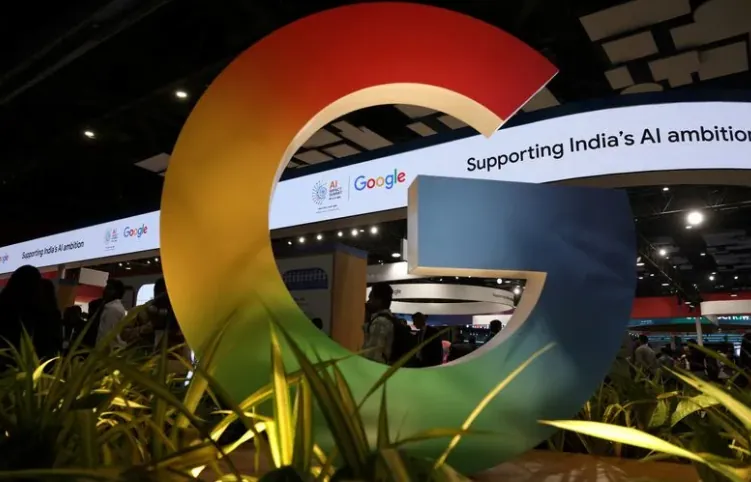

Google has suffered a major legal setback in India after the Delhi High Court held the technology company liable for trademark infringement over advertisements triggered by searches for the Hindware brand.
In a 163-page judgment dated May 22, 2026, the court ordered Google to pay ₹30 lakh in damages to the sanitaryware company. The decision could influence how search platforms handle trademarked keywords and complaints from brand owners across India.
The dispute was not simply about a competitor mentioning Hindware in an advertisement. It centred on Google allowing rival businesses to bid on “Hindware” and related phrases so their sponsored links could appear when consumers searched for the registered brand.
What happened in the Hindware trademark case?
Hindware brought legal action after advertisements for competing sanitaryware businesses appeared prominently in searches involving its name. The company argued that rivals were using the reputation attached to its trademark to attract potential customers.
The proceedings involved Google and companies including Grohe India, Cera Sanitaryware and Omkara Infoweb. The rival advertisers settled with Hindware during the case, leaving Google India and Google LLC as the contesting defendants.
Justice Mini Pushkarna found that Google was not acting only as a passive intermediary. The judgment pointed to the platform’s role in suggesting keywords, operating the advertising auction and deciding which sponsored results receive visibility through its algorithms.
The court said Google had effectively treated Hindware’s registered mark as commercial advertising inventory despite having no ownership rights or permission from the trademark holder.
Why Google was held responsible
Google argued that advertisers were responsible for selecting keywords and that the company should receive intermediary protection under Section 79 of India’s Information Technology Act.
The court rejected that defence in the circumstances of this case. It found that Google directly earned revenue by auctioning the trademark to Hindware’s competitors and therefore had a more active commercial role than a platform merely hosting third-party content.
The judgment also restrained Google from using “Hindware” and specified combinations involving the brand and sanitaryware-related terms as advertising keywords. Google was directed to pay the ₹30 lakh damages within eight weeks.
Google later challenged the single-judge decision, but a Delhi High Court division bench reportedly declined in July to stay the ruling. That means the original judgment remains operative while the wider legal proceedings continue.
Why Indian business founders welcomed the decision
The ruling attracted support from entrepreneurs who say they have repeatedly paid to protect their own names in search results. Zerodha founder Nithin Kamath said his company had faced similar problems for years and described the judgment as opening a possible route for legal action.
For businesses, bidding on their own trademark can become a defensive expense. If competitors are permitted to target the same branded searches, the original company may feel forced to buy advertising simply to remain above rival sponsored links.
This can be particularly difficult for startups and smaller businesses that lack large advertising budgets. They may spend heavily developing brand recognition, only to find that competitors can purchase access to customers searching specifically for that brand.
Does the ruling ban all competitor keyword advertising?
The judgment should not automatically be treated as a universal ban on bidding for every competitor’s trademark. Trademark disputes depend on the wording of an advertisement, the parties involved, the possibility of consumer confusion and the platform’s response after receiving a complaint.
However, the Hindware decision gives Indian brand owners a significant precedent when arguing that an advertising platform actively commercialised their trademark instead of functioning as a neutral technical service.
Google and other advertising platforms may now face greater pressure to improve trademark complaint systems, restrict certain branded keywords and act more quickly when a rights holder reports suspected misuse.
What businesses should do next
Companies can regularly search for their brand names, review sponsored results and keep dated records of advertisements that appear. Screenshots, destination URLs and copies of complaints sent to the advertising platform may become important if a dispute leads to legal action.
Businesses should also register key trademarks and monitor variations that combine their brand with product categories. Hindware’s case involved not only its main name but also phrases connected with sanitaryware searches.
The complete judgment is available through the Delhi High Court’s official website.
Google’s advertising operations remain closely connected to its wider artificial intelligence and search strategy. More background is available in this analysis of Google’s Gemini AI and advertising growth.
The final outcome could still be shaped by the appeal process, but the judgment has already changed the conversation around branded search advertising in India. Its central message is that platforms may face liability when they actively profit from selling access to trademarks owned by someone else.

Make Swikblog your go-to source on Google for reliable updates, smart insights, and daily trends.