
GRAND CANYON, Arizona — Around 15 people are believed to be missing or unaccounted for after severe flooding swept through Grand Canyon National Park, forcing at least 62 people to evacuate and damaging bridges, trails and critical infrastructure around Bright Angel Canyon and Phantom Ranch.
The emergency began on Saturday, August 29, after intense rainfall sent fast-moving water, mud and debris through the inner canyon. Officials initially sought information about more than 20 people, but later reports placed the working estimate at around 15 as authorities continued checking hikers, backpackers and campers who may have been in the affected area.
At least 20 people unaccounted for after flash flooding at Grand Canyon National Park in Arizona – officials pic.twitter.com/he0VNiRsLd
— BNO News (@BNONews) August 30, 2026
How the Grand Canyon flood unfolded
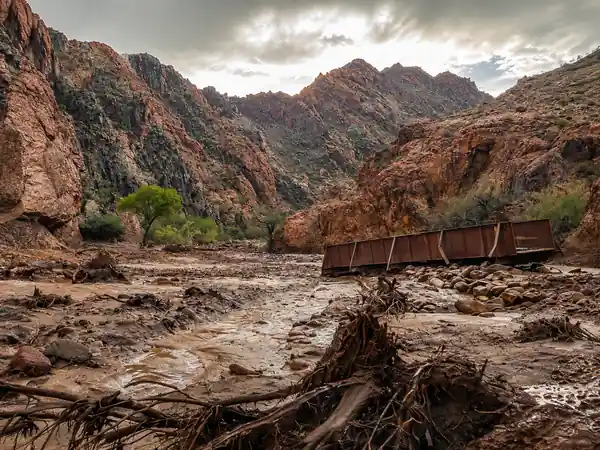
The flooding began at about 2:30 p.m. local time after storms moved across the Bright Angel Canyon area. Reports citing the National Weather Service said roughly half an inch to one inch of rain fell in about 30 minutes over the steep terrain.
Water rapidly drained into narrow channels, carrying rocks, mud and structural debris downstream. Nearly all footbridges across Bright Angel Creek were destroyed, while metal structures and other debris were swept into the Colorado River.
The emergency follows other recent flood incidents involving evacuations and searches for missing people, highlighting how quickly rescue conditions can change when water levels rise in difficult terrain.
62 people evacuated as search continues
At least 62 people were evacuated from Phantom Ranch and the lower North Kaibab Trail. Grand Canyon National Park staff coordinated with the Arizona Department of Public Safety, while the American Red Cross assisted people after they reached the South Rim.
Authorities are trying to account for anyone who may have been on the North Kaibab Trail, at Bright Angel Campground, around Phantom Ranch or in an area north of the ranch known as “the Box.” People with relevant information can contact the National Park Service Investigative Services Branch at 888-653-0009.
A 46-year-old man was also found dead near Crystal Rapids along the Colorado River. Available reports had not confirmed whether his death was connected to the flooding or whether he was among those previously considered unaccounted for.
Trails and water infrastructure badly damaged
The flooding damaged the Transcanyon Waterline, leaving the system out of operation and reducing available water reserves. The disruption prompted conservation measures affecting lodging, camping and other services on the South Rim.
Phantom Ranch, Bright Angel Campground and the North Kaibab Trail were among the areas affected by closures. Because access can change during inspections and repair work, visitors should rely on current park information rather than older trail plans.
Similar storms capable of triggering widespread flood warnings show why infrastructure problems can continue even after the heaviest rain has passed.
More rain could create additional hazards
Forecasters warned that further thunderstorms could bring additional flooding, debris flows and rockfall. The risk is greater in watersheds affected by recent wildfire damage, where burned ground can allow water, ash and loose material to move downhill rapidly.
Inside a deep canyon, dangerous runoff can also arrive from storms occurring some distance away. Hikers therefore cannot rely only on the weather directly overhead when deciding whether conditions are safe.
What visitors should know
Anyone planning to visit the park should check the National Park Service’s current Grand Canyon conditions and closures before traveling into the canyon. Damaged routes, limited water supplies and changing weather may continue to affect access while crews assess the area.
The number of people unaccounted for may still change as authorities verify who was actually in the backcountry. For now, visitors are being urged to respect closures, avoid flooded crossings and follow official safety instructions.

Make Swikblog your go-to source on Google for reliable updates, smart insights, and daily trends.