Jannik Sinner’s Italian Open victory did more than end a 50-year wait. It reopened a chapter of Italian tennis history that stretches back long before the modern era, before television rights, ranking points and the Masters 1000 label turned Rome into one of the sport’s biggest annual stages.
The headline after Sinner’s win was easy to understand: Italy finally had another men’s champion at its home tournament. But the deeper story is richer. Before Sinner, only a small group of Italian men had managed to win the Rome title, each in a different version of the sport and each carrying a different kind of national weight.
The list is short enough to feel exclusive: Emanuele Sartorio, Giovanni Palmieri, Fausto Gardini, Nicola Pietrangeli and Adriano Panatta. Together, they explain why Sinner’s 2026 title felt less like an isolated win and more like the return of a tradition Italy had been waiting to touch again.
The early Italian winners who gave Rome its home identity
The first Italian man to win the Rome title was Emanuele Sartorio in 1933, when the tournament still belonged to a very different sporting world. The event was young, international tennis was still shaped by amateur-era structures, and Italy was beginning to build its own tennis identity on home clay.
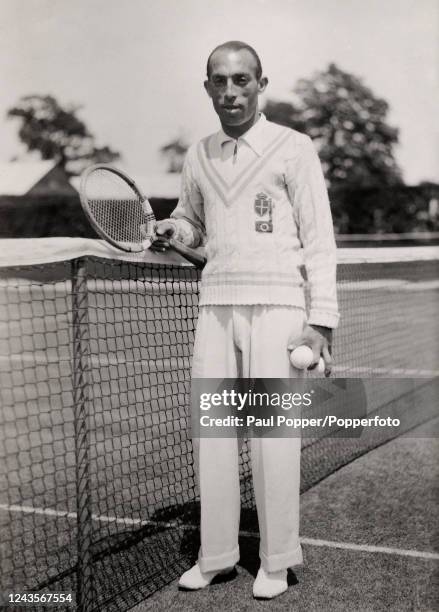
Sartorio’s victory came against André Martin-Legeay, and it gave the Italian Open something every national tournament wants early in its life: a home winner. One year later, Giovanni Palmieri followed him in 1934, beating Giorgio de Stefani in an all-Italian final.
That back-to-back Italian success made the early 1930s a formative period for Rome. Long before the tournament became associated with Rafael Nadal, Novak Djokovic, Bjorn Borg or modern clay-court specialists, it already had a domestic story. Italy was not only hosting a major clay event; Italian players were winning it.
After the disruption of the 1940s, Italian tennis had to rebuild its place in the game. The next home champion arrived in 1955, when Fausto Gardini won the title after Giuseppe Merlo retired in the final. It was not the clean, cinematic finish that later generations might imagine, but it still mattered. Gardini’s win put an Italian name back on the Rome trophy after more than two decades.
The official tournament overview from the ATP places Rome among the elite clay-court stops on the men’s calendar, but the roots of the event’s Italian meaning were built by these earlier champions. They gave the tournament a home memory before it became a global television product.
Pietrangeli and Panatta made Rome part of Italian sporting culture
If Sartorio, Palmieri and Gardini built the early layer of Italian success in Rome, Nicola Pietrangeli turned it into something bigger. Pietrangeli won the Italian Open in 1957 and again in 1961, becoming the only Italian man before Sinner’s era to win the Rome singles title more than once.
His 1957 final win over Giuseppe Merlo was another all-Italian moment, a reminder of the depth Italy had on clay at the time. Four years later, Pietrangeli beat Rod Laver in the 1961 final, a result that stands out because Laver would become one of the most important names in tennis history.
Pietrangeli’s legacy was never limited to Rome. He also won Roland Garros twice and became a symbol of Italian tennis elegance, longevity and clay-court intelligence. But Rome was central to his public image because it tied his success directly to the Italian crowd. For many fans, he was the player who made Italian tennis feel world-class before the Open Era changed the sport’s commercial shape.
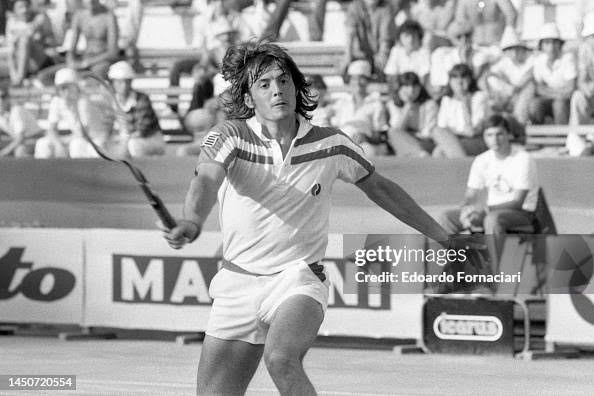
Then came Adriano Panatta, whose 1976 season became one of the defining years in Italian tennis. Panatta won Rome by beating Guillermo Vilas, then went on to win Roland Garros in the same year. That pairing made him the reference point for every Italian male player who came after him.
Panatta’s Rome triumph also carried a different kind of mythology because it happened in the Open Era, closer to the modern game that Sinner now dominates. His win became the marker everyone repeated: the last Italian man to win the Italian Open. Year after year, the number grew heavier. Ten years. Twenty. Thirty. Forty. Then fifty.
That is why Sinner’s title felt so powerful. He was not only winning another tournament. He was stepping into a line that had been frozen since Panatta, while also reconnecting with a much older roll call of Italian champions. His victory now sits beside Sartorio in 1933, Palmieri in 1934, Gardini in 1955, Pietrangeli in 1957 and 1961, and Panatta in 1976.
For readers following Sinner’s modern rise, Swikblog also covered his recent dominance in this report on Sinner’s Monte Carlo win over Carlos Alcaraz, another result that showed how quickly his career has moved from promise to control.
The history before Sinner makes his Rome victory more meaningful, not less. It shows that Italian tennis did not suddenly arrive with one champion. It had older names, interrupted eras, forgotten finals and national heroes whose achievements gave Sunday’s moment its emotional weight.
Sinner now owns the latest chapter, but the story began long before him. Rome had Italian champions before the modern spotlight found Sinner, and remembering them turns his 2026 win from a breaking-news headline into part of a much longer sporting inheritance.

Make Swikblog your go-to source on Google for reliable updates, smart insights, and daily trends.