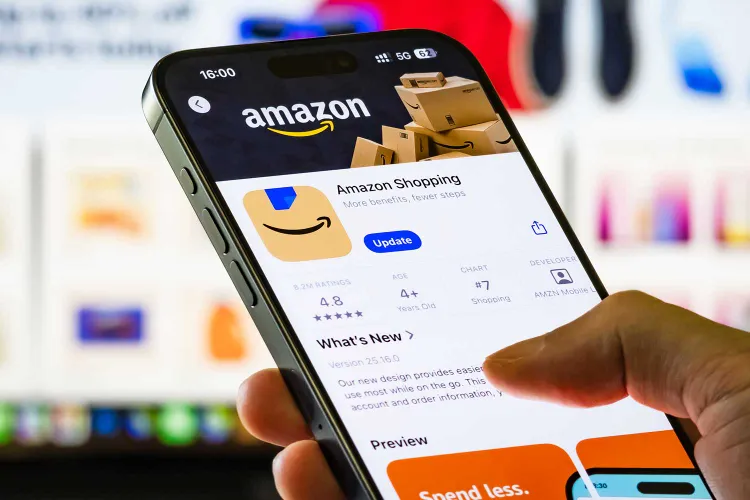

Amazon is turning Alexa into something far more commercially useful than a voice assistant. With its new Alexa for Shopping experience, the company is bringing artificial intelligence directly into the buying journey, allowing customers to ask detailed product questions, compare items, monitor prices and set up shopping-related actions without leaving Amazon’s main app or website.
The launch matters because Amazon is no longer treating AI as a side feature or a separate chatbot. Instead, it is embedding conversational intelligence into the place where millions of people already search for products. According to Amazon’s official announcement, Alexa for Shopping is being rolled out to millions of U.S. customers through the Amazon Shopping app, Amazon.com and Echo Show devices.
The feature does not require a Prime membership, making it available to a much wider group of shoppers. Users can access it by updating the Amazon Shopping app and tapping the Alexa icon, while desktop users can find the assistant inside Amazon’s shopping interface.
Amazon wants AI to act like a personal shopping guide
For years, Amazon has relied on search results, customer reviews, sponsored placements and recommendation carousels to guide buying decisions. Alexa for Shopping adds a more conversational layer to that experience. A customer can ask a full question instead of entering a short keyword search and then sorting through dozens of similar listings.
That could make a difference in categories where shoppers often feel overwhelmed, such as skincare, electronics, home appliances, baby products, fitness gear and gifts. Instead of simply searching for “best headphones” or “men’s face wash,” customers can ask more specific questions based on their needs, budget or past purchases.
Amazon says users can ask questions such as what skincare routine might work for men, when they last ordered a household item, or which product fits a particular use case. The assistant can respond with product suggestions, summaries and comparisons inside the shopping flow.
This is where Alexa for Shopping becomes more than a standard search upgrade. It can use information from Amazon’s marketplace, product listings, customer history and previous shopping behavior to provide more personalized answers. In practical terms, the assistant is designed to reduce the time customers spend jumping between reviews, product pages and comparison tables.
One of the strongest features is side-by-side product comparison. Amazon shoppers often face several versions of the same product with small differences in price, specifications, shipping time or review quality. Alexa for Shopping can help explain those differences in plain language, which may be especially useful for buyers who do not want to read long technical descriptions.
The assistant can also create AI-generated summaries on product pages. This gives users a quicker way to understand what an item offers, what buyers commonly mention and whether the product matches their needs. For Amazon, this could help shoppers move from research to checkout more quickly.
Price tracking may be the feature shoppers use most
While the AI comparison tools are useful, the price-tracking feature may be the most attractive for everyday customers. Amazon says Alexa for Shopping can track product prices for up to one year, giving users a way to monitor items before buying.
This feature directly targets a common shopping habit. Many customers add products to carts or wish lists and wait for discounts during sales events, holidays or seasonal promotions. By letting Alexa monitor prices, Amazon is making that behavior easier and keeping users inside its own ecosystem instead of sending them to third-party deal trackers.
The assistant can also support automated shopping actions. A customer may ask Alexa to watch a product and notify them when the price drops. In some cases, users can create more specific shopping instructions, such as monitoring household essentials or preparing a purchase when certain conditions are met.
That does not mean every purchase will happen without customer control. But it does show where Amazon is heading: toward a shopping model where AI does more of the repetitive work. Instead of manually checking prices, comparing similar products or remembering when to reorder, users can hand more of those tasks to Alexa.
Recurring purchases are another important part of the update. Alexa for Shopping can help customers restock household items, set reminders and manage shopping needs around personal events. Birthday reminders and gift ideas are also part of the experience, giving Amazon another way to connect shopping with daily life.
For example, a user could ask for gift suggestions before a family member’s birthday, check when batteries were last ordered, or schedule reminders for products that are bought regularly. These are small tasks individually, but together they show how Amazon wants Alexa to become part of routine consumer behavior.
The move also reflects the rise of agentic AI in retail. Traditional chatbots answer questions. Agentic AI systems are designed to take action. Alexa for Shopping sits somewhere in between: it answers, compares, tracks, reminds and helps automate parts of the buying process.
That shift could be powerful for Amazon. The company already has the marketplace, customer accounts, payment systems, delivery network and shopping history. Adding an AI assistant on top of that infrastructure gives Amazon a stronger position than many competitors trying to build shopping tools from outside the retail transaction.
The decision to connect Alexa for Shopping with Alexa+ also gives Amazon a cleaner AI identity. Rufus helped introduce conversational shopping on Amazon, but the Alexa brand is far more familiar to consumers. By bringing shopping AI under Alexa, Amazon can make the assistant feel less like an experimental chatbot and more like a core part of its retail platform.
Readers following Amazon’s wider AI push can also read Swikblog’s related coverage on Amazon’s Alexa+ AI upgrade and engagement growth, which explains how the company has been working to make Alexa more useful through advanced AI features.
Read More
- Visit Swikblog Homepage
- Puffins Found Dead After Deadly Storms as Breeding Season Begins
- Belfast Plants 293,516 Trees Under 1 Million Trees Initiative
- Hackney Half Marathon 2026 Road Closures: East London Streets Shut
- Kingston Power Outage Leaves 13,432 Customers Affected
- NTSB Wimberley Plane Crash Report: 5 Killed
There is a competitive reason behind this launch as well. AI assistants from major technology companies are becoming better at product discovery. If shoppers begin asking external AI tools what to buy, Amazon risks losing influence at the earliest stage of the purchase journey. Alexa for Shopping helps Amazon keep product discovery, comparison and final checkout within its own platform.
For customers, the benefit is convenience. For Amazon, the benefit is control. If Alexa can answer a buying question, recommend a product, track the price and remind the customer to purchase later, Amazon keeps the relationship active even before a sale happens.
Still, the personalization that makes Alexa for Shopping useful will also raise privacy questions. A smarter shopping assistant needs access to information such as past orders, browsing habits, preferences and account activity. Some users may welcome that if it saves time and money. Others may be more cautious about letting an AI system influence purchase decisions or monitor products for long periods.
Amazon will need to keep user controls clear, especially as shopping automation becomes more advanced. Customers should understand when Alexa is only giving advice, when it is tracking an item and when it may help prepare a purchase. Trust will be just as important as convenience if Amazon wants shoppers to rely on AI for everyday buying decisions.
Alexa for Shopping shows how quickly online retail is changing. Amazon’s marketplace is no longer just a search box and a checkout button. It is becoming a more conversational platform where AI can guide choices, remember habits, follow prices and help manage repeat purchases.
The larger trend is clear: AI shopping assistants are moving from novelty to utility. Amazon’s advantage is that it already sits at the center of online buying for millions of users. If Alexa for Shopping works well, it could make product discovery faster, deal tracking easier and routine purchases more automatic. It could also make Alexa more relevant in everyday life than it has been in years.

Make Swikblog your go-to source on Google for reliable updates, smart insights, and daily trends.