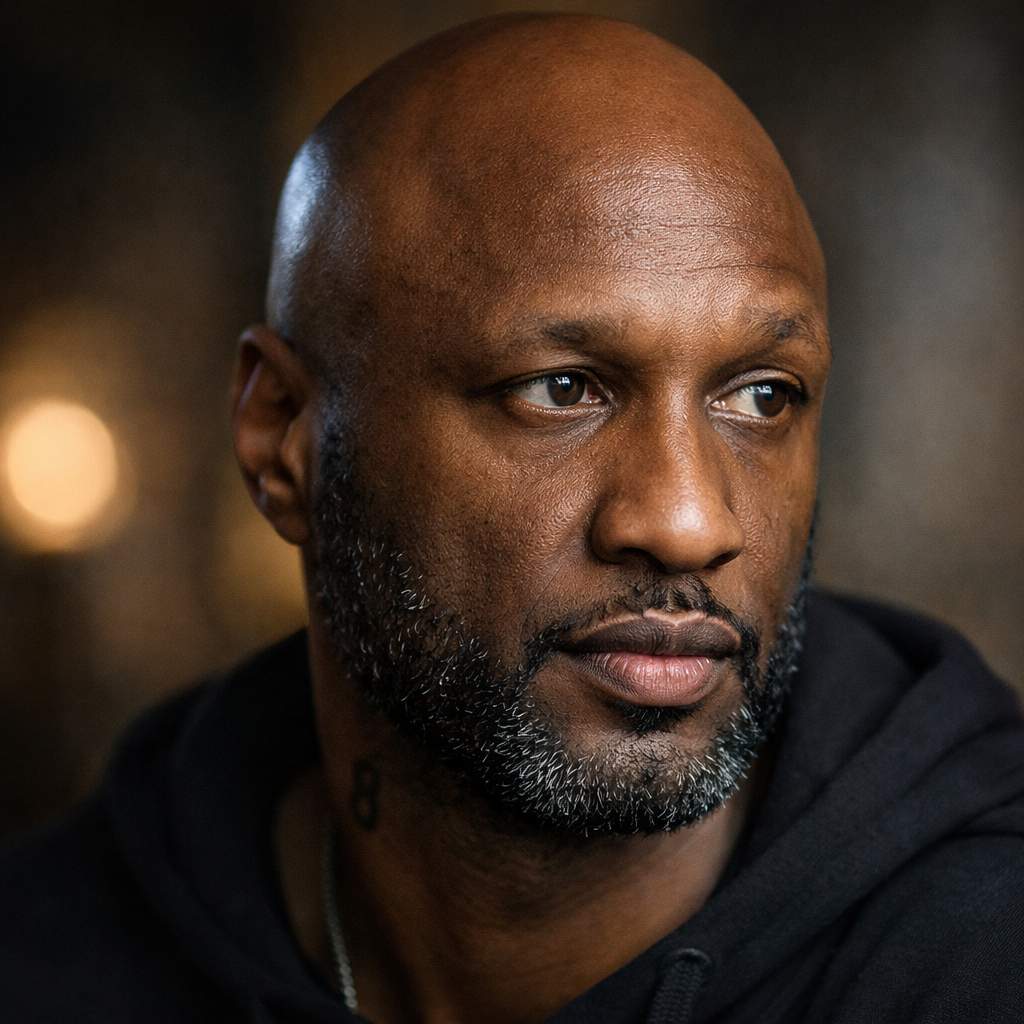

Former NBA champion Lamar Odom is continuing his long recovery from addiction after voluntarily entering a 30-day rehabilitation program in Los Angeles earlier this year. The 46-year-old, who survived a near-fatal overdose in 2015, sought treatment following his January DUI arrest, saying he wanted to address habits before they developed into a larger problem.
The decision marks another chapter in one of basketball’s most public recovery journeys. Odom’s manager said he chose to enter treatment for marijuana use because he feared it could become a gateway back to more dangerous substances that nearly cost him his life a decade ago.
Since completing the month-long program, Odom has returned to public life and has spoken about focusing on sobriety, wellness and helping others find addiction treatment resources.
Lamar Odom entered rehab after his January 2026 arrest
Odom was arrested in Las Vegas on January 17, 2026, after Nevada State Police stopped his vehicle for speeding and an improper lane change. Officers reported signs of impairment and said they detected the odor of marijuana during the traffic stop. He was initially charged with driving under the influence and related traffic offenses.
Rather than continuing toward trial, Odom is expected to resolve the case through a plea agreement that would reduce the DUI allegation to a reckless driving charge under a no-contest plea. His decision to enter treatment followed the incident and reflected a desire to strengthen his recovery before facing a more serious relapse.
Additional details about the legal proceedings have been reported by the Associated Press.
His manager described the rehabilitation stay as a proactive decision rather than one ordered by the court. The goal was to identify personal triggers and reinforce healthy routines while he continues rebuilding his life.
Why Lamar Odom’s health story continues to draw attention
Odom’s name remains closely linked to one of the most remarkable medical recoveries in professional sports.
In October 2015, he was found unconscious at Nevada’s Love Ranch brothel after using cocaine. During his lengthy hospitalization, he suffered kidney failure, collapsed lungs, 12 strokes and six heart attacks before eventually regaining consciousness. Doctors warned that his chances of making a meaningful recovery were extremely slim.
Since then, Odom has often referred to himself as a “walking miracle,” acknowledging both the seriousness of his medical condition and the long rehabilitation that followed.
His story has reached a new audience through Netflix’s Untold: The Death & Life of Lamar Odom, which revisits his NBA career, personal struggles and recovery. Football fans interested in another high-profile athlete profile can explore Erling Haaland’s relationship with Isabel Haugseng Johansen.
Read More:
- Virgin Media fined £28 million by Ofcom
- Australian restaurant fined $24,000 over illegal seafood deal
- Visit the Swikblog homepage for more latest news
What continues to resonate is Odom’s openness about addiction. He has said recovery is an ongoing process and that overcoming marijuana dependence has presented its own challenges despite his past struggles with more dangerous substances.
Personal loss shaped his recovery journey
Odom has spoken candidly about the personal tragedies that influenced his life. He lost his mother to cancer at the age of 12 and years later endured the death of his infant son, Jayden, from Sudden Infant Death Syndrome (SIDS). Those experiences, he has said, contributed to years of emotional pain that eventually led to substance abuse.
Rather than presenting those experiences as excuses, Odom has described them as part of understanding why recovery requires both mental health support and addiction treatment.
His experience also reflects a broader issue faced by many retired professional athletes, who often deal with life after competition while managing physical injuries, mental health challenges and public expectations. Another recent NBA feature examines the Los Angeles Lakers’ ownership changes and workforce cuts.
Where Lamar Odom is now
After completing his rehabilitation program, Odom said he was focused on maintaining sobriety and improving his overall health. He has continued working with HealLO.co, a platform that helps connect people with addiction recovery and wellness services across the United States.
Although his legal case has not yet been fully concluded, Odom’s recent decisions suggest he is addressing potential problems before they become larger setbacks. That approach differs significantly from earlier periods of his life when intervention often followed a major crisis.
More than a decade after surviving one of the most serious medical emergencies experienced by a former NBA player, Odom continues to demonstrate that recovery is an ongoing commitment rather than a single milestone. His story remains a reminder that rebuilding physical and mental health often requires long-term support, accountability and the willingness to ask for help when it is needed.

Make Swikblog your go-to source on Google for reliable updates, smart insights, and daily trends.