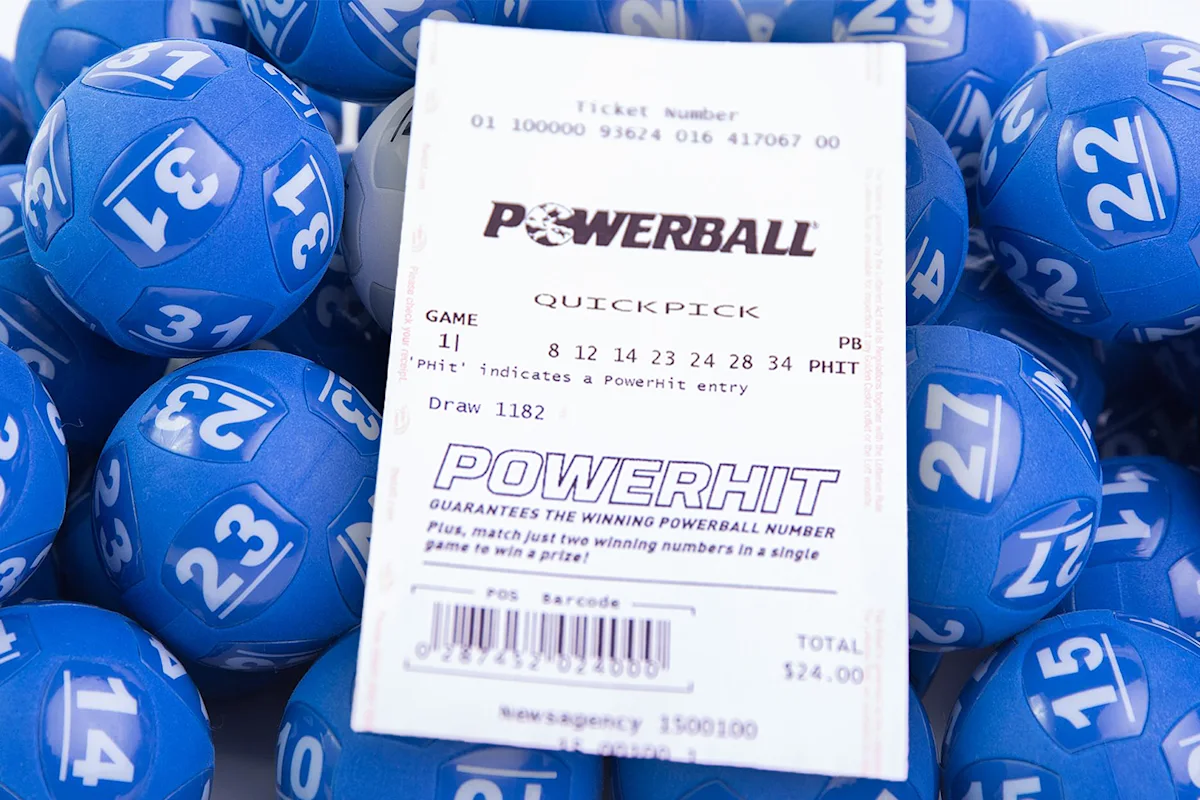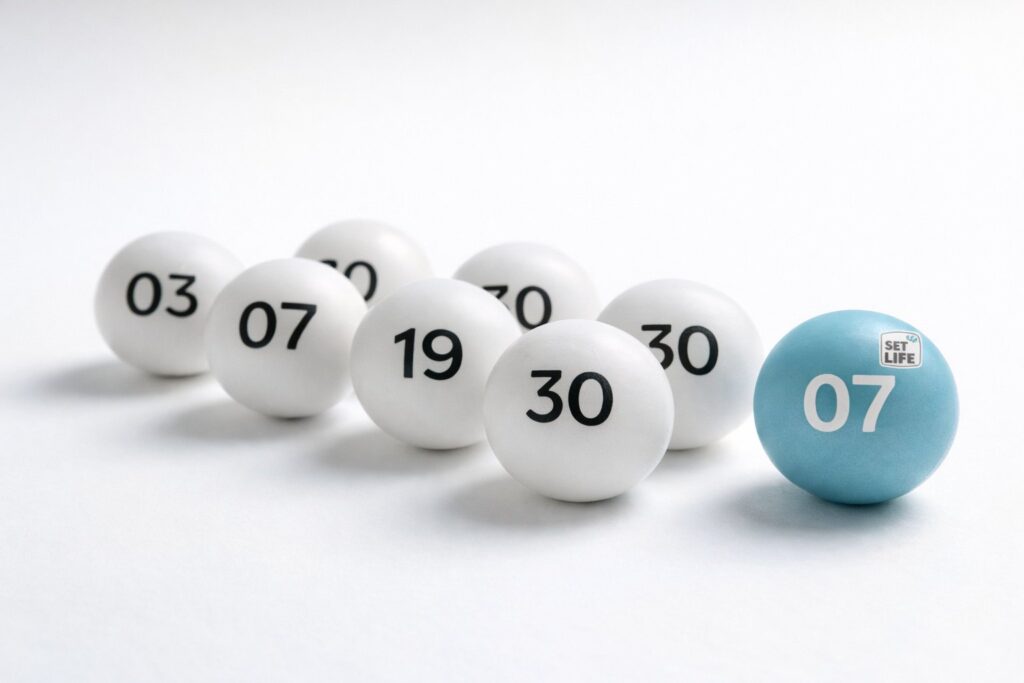

A pocket of good fortune has landed across New Zealand this week, with lotto wins reported from three different corners of the country — Napier in Hawke’s Bay, Christchurch in Canterbury, and New Plymouth in Taranaki. None of the stories carries the drama of a single record-breaking jackpot, but together they offer something Discover readers reliably stop for: ordinary places, ordinary tickets, and a sudden burst of “what would you do?” possibility.
In Napier, a player picked up a win of $30,110 — the kind of prize that can quietly reset a month or a year. It’s not a life that instantly changes overnight, but it is enough to clear bills, pay off a stubborn debt, or take care of something that’s been waiting too long. It also highlights the pattern Lotto coverage often reveals: the moments people remember aren’t always the biggest numbers, but the perfectly timed ones.
Down in Christchurch, another story surfaced around a Moorhouse Pak’nSave shopper who struck it lucky with a recent win. Supermarket ticket stories have a particular pull because they feel so close to everyday routine — groceries, a quick stop, the familiar counter — and then, suddenly, a receipt that means more than it usually does. Whether the prize is modest or major, the emotional hook is the same: it happened during a normal day.
And in New Plymouth, a Lotto player was reported to have won a share of First Division. That phrasing alone is enough to make readers lean in, because it hints at the top tier of prizes — while also reminding everyone that “First Division” can be shared among multiple winners. The result is still a serious lift for the winner, but it’s also a clear lesson in how Lotto headlines can sound enormous while the final payout depends on how many other tickets matched.
Put together, the three stories sketch a familiar picture: wins don’t always arrive as one giant, headline-grabbing event. More often, they come as scattered bursts — a mid-sized prize here, a supermarket win there, a top-division share further up the coast — each one sparking the same round of kitchen-table talk in a different town.
If you’re trying to make sense of what these wins actually mean, here are the simplest takeaways:
- Smaller wins can be the most relatable. A five-figure prize won’t buy a mansion, but it can meaningfully change daily life.
- “First Division” isn’t always a single winner. When more than one ticket matches, the top prize is split.
- Retail locations matter to readers. When a win is linked to a familiar shop, it feels closer — and more believable.
The other reason stories like these keep reappearing in news feeds is that they invite a low-pressure daydream. People don’t need to be Lotto regulars to imagine what they’d do with an unexpected payout — whether it’s tackling the practical stuff first, helping family, or saving it for a quieter kind of freedom.
For players who want to double-check results or understand how the divisions work, the safest habit is to rely on official sources and reputable reporting, rather than reposts and screenshots floating around social media. Coverage from outlets such as New Zealand Herald can also help readers track where wins are being reported and how prizes are described.
As for the lucky handful in Napier, Christchurch and New Plymouth, the most striking detail may be the simplest: the wins are spread out, but the feeling is the same. A normal ticket becomes a very different piece of paper, and a normal week becomes one you don’t forget.

Make Swikblog your go-to source on Google for reliable updates, smart insights, and daily trends.