Written by James Carter | January 9, 2026
The veteran outfielder’s free agency takes a sharp turn after MLB announced an 80-game ban for a positive test. Here’s what happens next — and why teams may pivot to other outfield options.
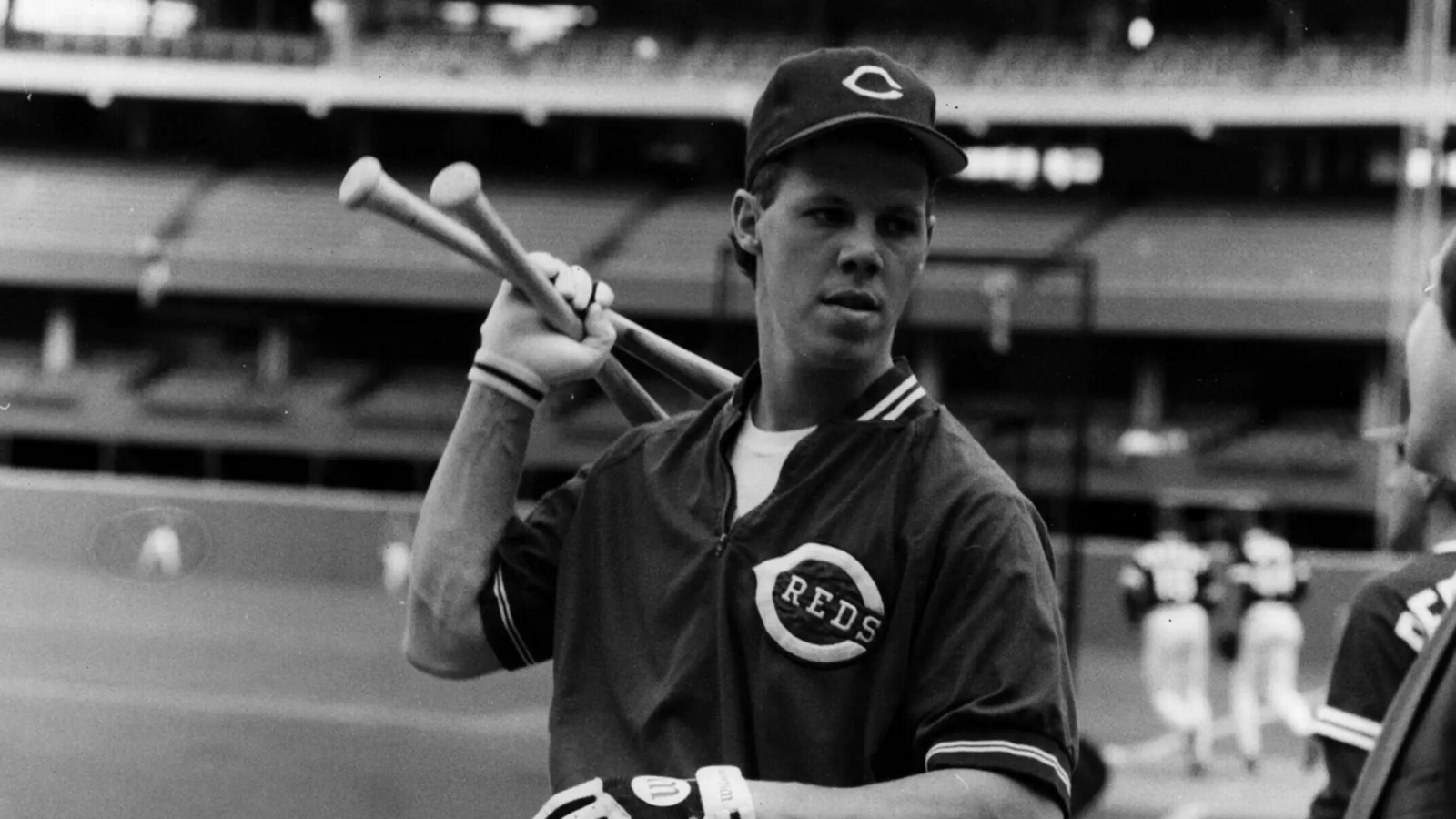
Free agent outfielder Max Kepler has been hit with an 80-game suspension under Major League Baseball’s Joint Drug Prevention and Treatment Program after testing positive for epitrenbolone, a banned performance-enhancing substance. The decision immediately reshapes Kepler’s offseason market and complicates any path to re-establishing his value in 2026. You can read MLB’s announcement for the league’s official language on the suspension.
The timing matters almost as much as the suspension itself. Kepler is currently unsigned, which means the clock on the ban is tied to his employment status and eligibility rules. In practical terms: a team must be willing to sign him knowing he won’t be available for a large chunk of the regular season — and that he won’t be paid while serving the suspension if he is under contract.
Kepler, who turns 33 in February, is coming off a season in Philadelphia that didn’t boost his stock the way he likely hoped. He hit 18 home runs, but his overall line (.216/.300/.391) reflected a below-average offensive season for a corner outfielder — and it arrived amid a role that included frequent platoon usage. That combination already had him trending toward a smaller deal this winter. Now, the suspension adds another major hurdle.
Why this suspension hits harder in free agency
When a player is already under contract, an 80-game suspension is disruptive — but at least the club has roster context and a plan. For a free agent, it’s different: Kepler’s market is asking teams to invest a roster spot (and potentially a 40-man decision) without immediate on-field return. Clubs also have to weigh whether the midseason arrival aligns with their competitive timeline.
In a “normal” offseason, an outfielder with Kepler’s track record might be viewed as a bounce-back candidate — a left-handed bat with experience, power, and a history of solid corner defense. But the suspension shifts the conversation from “upside bet” to “delayed availability plus uncertainty,” and that’s a tougher sell for contenders that want early-season stability.
Another key detail: under the Joint Drug Agreement framework, Kepler will be ineligible for the 2026 postseason. That makes him a less natural fit for teams building for October, especially if they’re shopping for an outfield piece specifically to help in a playoff run.
What teams are likely to do instead
The ripple effect is straightforward: clubs that had Kepler on a short list may now pivot to other outfielders who can contribute from Opening Day. Even if those alternatives come with their own limitations — platoon profiles, defensive constraints, or lower ceilings — availability is a skill teams can bank on.
The outfield market this winter has been top-heavy, with premium names commanding premium prices. For teams that don’t want to play at the top of the market, Kepler would have been one of the more recognizable mid-tier options. With him sidelined, front offices may increase their urgency to lock in steadier depth pieces rather than waiting on a suspended player with a delayed start.
There’s also a roster-building angle: clubs that see themselves as contenders may prefer to spend on a player who can help them build wins early — rather than hoping a midseason return provides a jolt. Meanwhile, rebuilding or retooling teams might view Kepler as a low-cost, second-half flier — but they’ll still have to decide whether the PR and clubhouse questions are worth it.
Is there a path back for Kepler?
Kepler’s best-case scenario now looks like this: sign a deal that begins the suspension clock, return in the second half healthy, and perform well enough to rebuild value heading into the next offseason. That’s not impossible — but it’s a narrow lane, and it requires a team willing to absorb the early-season absence while believing the bat and glove can still play.
The challenge is that Kepler’s recent performance trends already raised questions. By advanced measures and traditional stats alike, he’s been inconsistent at the plate over the last several seasons, and corner outfield offense is a category where MLB teams usually want above-average production. Without strong numbers, the “veteran depth” argument becomes the main selling point — and the suspension undercuts that pitch.
In other words, Kepler isn’t just fighting for a comeback — he’s fighting for a fit. The club that signs him will likely be one that can stash him, keep the outfield functional for months, and treat his return as upside rather than necessity.
For more MLB updates, rumors, and roster moves, visit the Swikblog Baseball section.

Make Swikblog your go-to source on Google for reliable updates, smart insights, and daily trends.