
National Matcha Day 2026 has turned into a major promotional moment for beverage brands, with Dunkin’, Milk Bar and independent cafés using May 2 to push new drinks, limited-time desserts and loyalty rewards around one of the fastest-growing tea trends in North America.
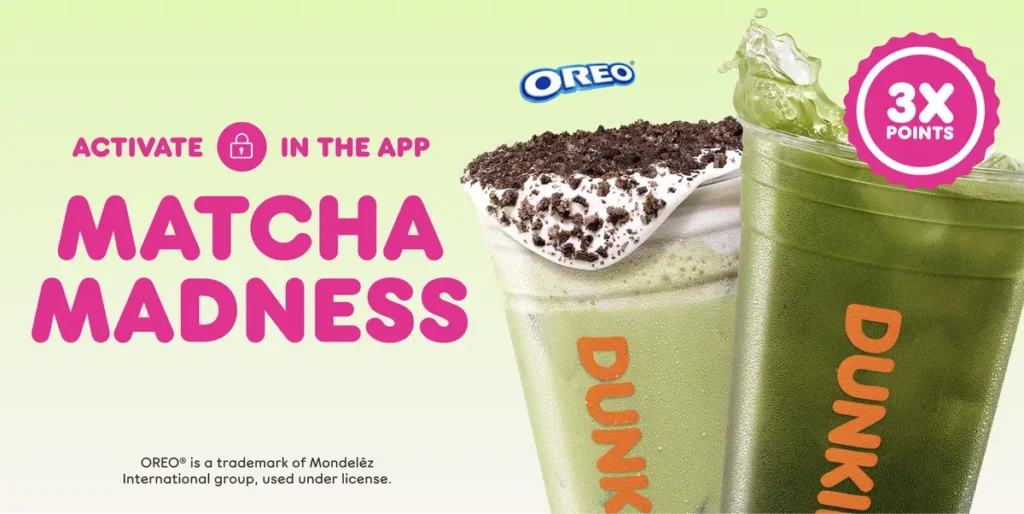
For Dunkin’, the day is tied directly to its Rewards program. Members can earn 3x points on matcha purchases at participating U.S. stores on May 2, giving the chain a clear way to drive app engagement while encouraging customers to try its latest matcha drinks.
The offer arrives as Dunkin’ continues to expand matcha beyond the standard latte. Its current lineup includes the classic hot and iced Matcha Latte, along with newer options aimed at customers looking for bolder flavors. The OREO Matcha blends matcha with vanilla flavor and whole milk, then adds marshmallow cold foam and OREO cookie crumbles for a dessert-style drink. The Matcha Limeade takes a different route, pairing earthy matcha with bright citrus for a lighter, more refreshing option.
Why Matcha Is Becoming a Bigger Menu Opportunity
Matcha’s rise has been helped by several factors: its strong visual appeal, its reputation as a wellness-friendly ingredient and its flexibility across drinks, desserts and even cocktails. Once mostly associated with traditional Japanese tea preparation, matcha is now being used by brands as a base for colorful, social media-friendly products that can attract both regular tea drinkers and curious first-time customers.
That shift is exactly what National Matcha Day was designed to support. The annual event was founded by Jade Leaf Matcha to make the Japanese green tea powder more familiar and accessible to everyday consumers. In 2026, the holiday’s fifth year, that mission is showing up through mainstream brand partnerships and highly creative menu launches.
Milk Bar is one of the most notable examples this year. The dessert brand has teamed up with Jade Leaf Matcha on two limited-edition products: a Strawberry Matcha Cookie, available for eight weeks, and a Cereal Milk Matcha Latte that combines Milk Bar’s signature flavor profile with smooth matcha. The partnership gives matcha a softer entry point for customers who may not normally order a traditional green tea beverage.
Daniel Woldar, general manager of Jade Leaf Matcha, has said the goal is to make matcha feel less intimidating by pairing it with familiar, playful flavors. That strategy matters because many consumers are still new to matcha’s grassy, umami-rich taste. When brands blend it with strawberry, cereal milk, limeade or cookie flavors, they make the ingredient easier to try without removing what makes it distinct.
The commercial opportunity is also supported by broader market momentum. Research from Grand View Research points to continued growth in the global matcha market as consumers show stronger interest in functional beverages, premium tea products and health-conscious ingredients.
Independent cafés and bars are helping push the trend further. In Toronto, local businesses are using ceremonial-grade matcha in more experimental formats, including matcha beer, tequila-based cocktails, sundaes, tiramisu and fruit-forward sparkling drinks. Those launches show that matcha is no longer limited to lattes; it is becoming a flexible flavor platform across food and beverage menus.
Some of the most creative examples include a Matcha Sakura Sundae, strawberry matcha tiramisu, carrot cake-inspired matcha drinks and mango passion fruit matcha fizz. These products work because matcha can balance sweetness with a slightly bitter, earthy finish, giving desserts and drinks more depth than standard sugar-heavy flavors.
Promotions Turn Matcha Into a Loyalty Play
Dunkin’s 3x points offer also highlights how beverage chains are using seasonal food moments to strengthen loyalty programs. A one-day promotion gives customers a reason to open the app, visit a store and choose a featured product. For the brand, it creates immediate sales activity while also generating useful data on which matcha drinks customers prefer.
Limited-time products serve a similar purpose. They create urgency, encourage trial and give brands a way to test demand before deciding whether a flavor deserves a longer run. If a drink such as OREO Matcha or Matcha Limeade performs well during a promotional window, it can help guide future seasonal menus.
Read More
For customers, National Matcha Day offers a mix of value and discovery. Rewards members get an added incentive through bonus points, while casual visitors get access to new combinations that feel different from everyday coffee or tea orders. That balance of promotion and novelty is one reason matcha has become attractive to large chains and local cafés alike.
The bigger takeaway is that matcha has moved from niche ingredient to mainstream menu driver. Its appeal now stretches across wellness, indulgence, social media culture and product innovation. Brands are using it to create drinks that look distinctive, taste familiar enough to invite trial and still carry the premium feel associated with Japanese green tea. As covered in more food and beverage trend insights, this kind of ingredient-driven innovation is increasingly shaping how brands compete for attention.
National Matcha Day 2026 shows how quickly a focused food holiday can become a serious marketing opportunity. With Dunkin’ using rewards to push matcha purchases, Milk Bar building limited-edition desserts around it and local cafés turning it into everything from cocktails to tiramisu, matcha is proving it can do more than trend online. It can bring customers through the door.

Make Swikblog your go-to source on Google for reliable updates, smart insights, and daily trends.