
Nebius Group (NASDAQ: NBIS) surged 6.74% to $108, capping a strong 13.8% gain in March, after a series of major developments signaled accelerating demand for its AI infrastructure business. The rally was triggered by a $2 billion investment from Nvidia, a $12 billion long-term deal with Meta Platforms, and rising AI compute prices, all pointing to strengthening fundamentals in a supply-constrained market.
The immediate driver behind the stock move was Nvidia’s strategic investment. The AI chip leader’s decision to deploy $2 billion into Nebius was interpreted as a strong endorsement of the company’s capabilities across the AI technology stack. This is particularly notable given Nvidia already owns more than 12% stake in CoreWeave, a direct competitor, as of late 2025. The move suggests Nvidia sees sustained demand across multiple infrastructure providers rather than a winner-takes-all environment.
That demand backdrop is critical. Nebius operates in the AI compute and cloud infrastructure space, where demand has consistently outpaced supply. The company is positioning itself as a key provider of high-performance compute capacity for large-scale AI workloads, including training and inference models. Investors are increasingly treating these providers as core enablers of the AI economy rather than peripheral service vendors.
The Meta deal further reinforced that narrative. Nebius announced a $12 billion infrastructure agreement that will begin supplying AI compute capacity across multiple regions starting early next year. In addition, Meta committed another $15 billion over five years to purchase incremental capacity. This brings total potential contracted demand from Meta alone to roughly $27 billion, significantly improving Nebius’ long-term revenue visibility.
What stood out to investors was not just the size of the deal, but its structure. Long-term contracts in AI infrastructure reduce revenue volatility and improve utilization rates, a key factor for capital-intensive businesses. With guaranteed demand in place, Nebius can deploy capital more aggressively without the same level of demand uncertainty typically associated with large-scale data center investments.
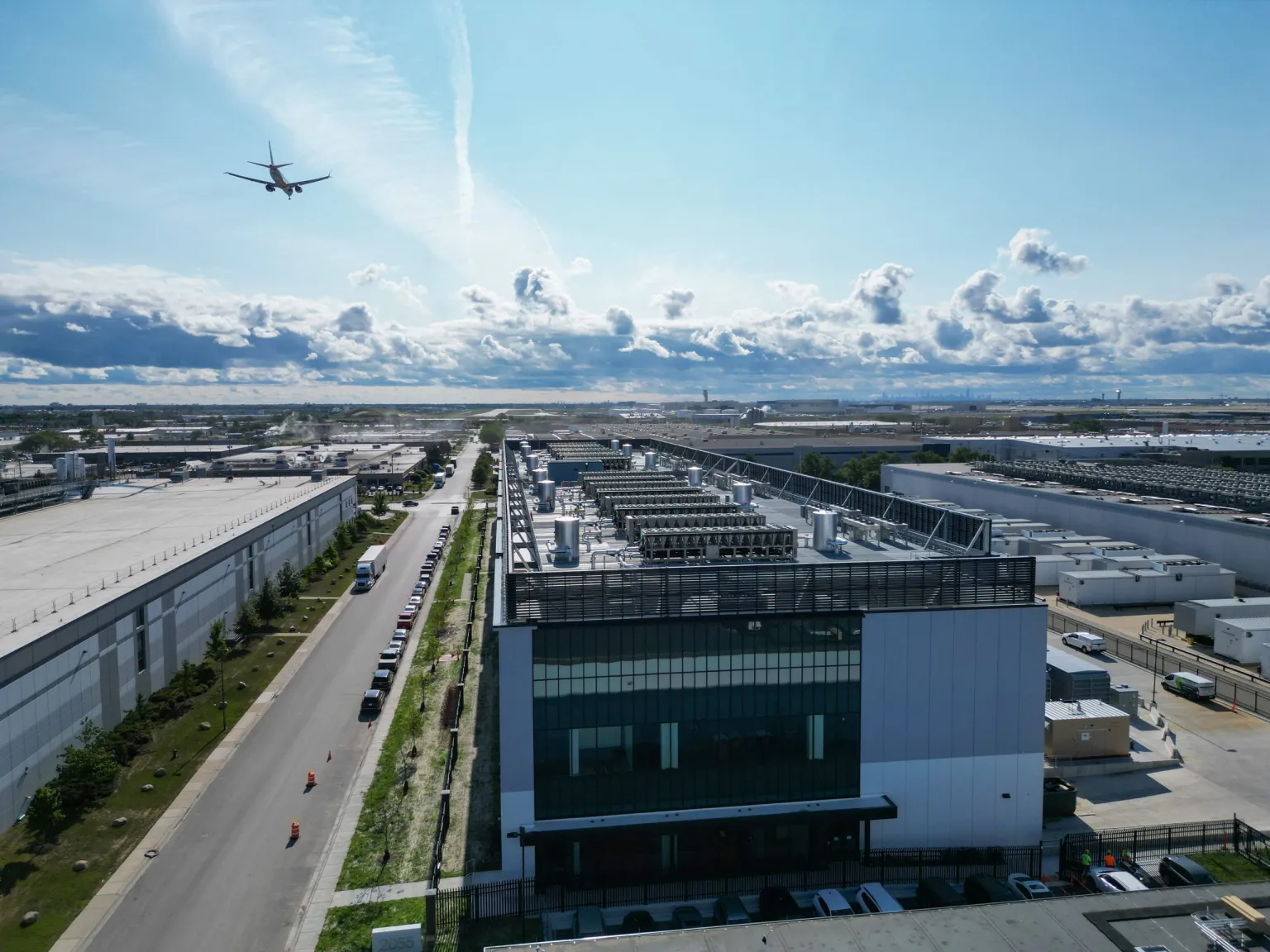
On the supply side, Nebius is expanding aggressively to capture this demand wave. The company plans to deploy over 5 gigawatts (GW) of Nvidia-powered systems over the next five years. It also announced a new data center project in Finland with capacity exceeding 300 megawatts, part of a broader goal to secure 3 GW of contracted business by 2026. These figures position Nebius among the more ambitious infrastructure builders in the AI space.
To fund this expansion, Nebius raised more than $4 billion through a convertible note offering. While this provides the capital needed to scale quickly, it also introduces dilution risk and highlights the capital-intensive nature of the business. Investors are effectively betting that high utilization rates and strong pricing will offset these financing costs over time.
Pricing trends are currently supportive. According to industry data, AI infrastructure rental prices have increased by approximately 40% since October, reflecting tight supply conditions. This pricing power is a key lever for Nebius, as even incremental increases in utilization and rates can significantly impact margins in a fixed-cost-heavy business model.
Compared to previous quarters, what has changed is the visibility and scale of demand. Earlier, Nebius was largely seen as a capacity builder with potential exposure to AI growth. Now, with multi-billion-dollar commitments from major technology companies, the company is transitioning into a contracted infrastructure provider with clearer revenue pathways. This shift is central to the stock’s re-rating.
From an investor perspective, the bullish case is built on three pillars: strong secular demand for AI compute, validation from Nvidia, and long-term contracted revenue from Meta. Together, these factors suggest Nebius could evolve into a key infrastructure layer in the AI ecosystem, similar to how cloud providers scaled during the early days of enterprise digital transformation.
The bearish view focuses on execution and capital risk. Rapid expansion requires flawless deployment, high utilization, and disciplined cost control. Any slowdown in AI demand, delays in data center buildouts, or pressure on pricing could quickly impact returns. Additionally, the reliance on external financing introduces sensitivity to interest rates and market conditions.
Sector-wide dynamics continue to favor infrastructure providers. AI remains one of the most capital-intensive areas of technology, with hyperscalers and enterprises investing heavily in compute capacity. Nebius is positioned within this spending cycle, benefiting from both direct contracts and broader industry demand trends. Investors tracking the space can follow broader AI infrastructure developments through platforms like Nasdaq, where major tech and AI-related capital flows are closely monitored.
The stock’s recent surge reflects more than short-term momentum. It signals a shift in how the market values Nebius — from a speculative AI play to a company with tangible contracts, strategic backing, and measurable growth drivers. Whether that momentum continues will depend on how effectively Nebius converts its expanding pipeline into sustained revenue and profitability while managing the risks tied to rapid scale.
Nvidia’s bullish AI chip demand outlook has also been a key signal for infrastructure-focused names such as Nebius.
Make Swikblog your go-to source on Google for reliable updates, smart insights, and daily trends.