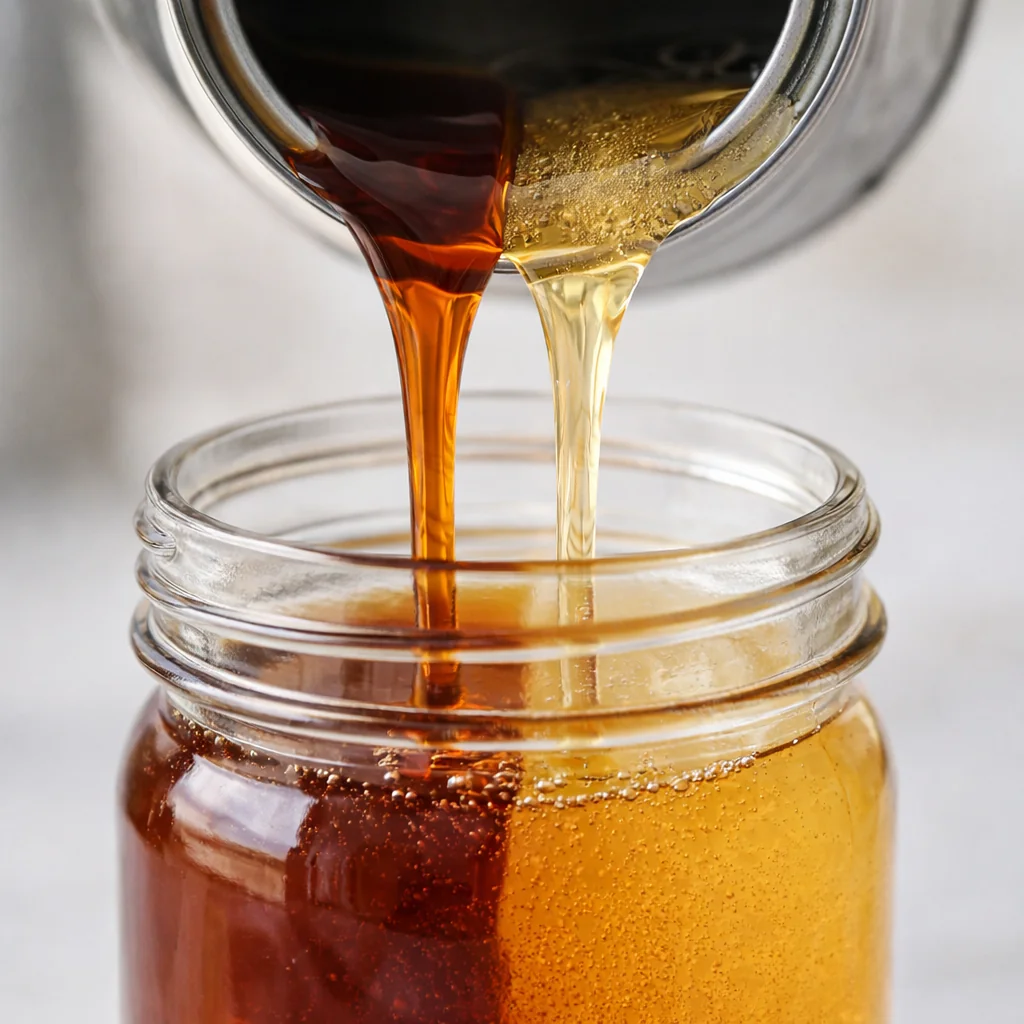

A growing food fraud scandal in Canada’s maple syrup industry is drawing global attention after investigators revealed that products sold as “pure maple syrup” in Quebec grocery stores were allegedly diluted with cane sugar. The story has quickly gained traction online, with consumers questioning product authenticity and regulators facing pressure to tighten oversight.
The controversy centers on a Quebec-based producer whose syrup, distributed across major retail chains including IGA and Metro, was found through laboratory testing to contain significant amounts of non-maple sugars. The discovery followed an investigation by Radio-Canada’s Enquête programme, which began after a journalist noticed an unusual taste in a store-bought product.
Tests conducted at a provincial research facility confirmed that multiple samples labeled as “pure maple syrup” contained at least 50% cane sugar. Experts involved in the analysis described the findings as deliberate adulteration rather than an isolated production error, raising concerns about integrity within a high-value agricultural sector.
How the Investigation Unfolded
The investigation did not start with a formal complaint but with curiosity. A reporter, puzzled by the syrup’s flavor, initiated informal checks that eventually led to controlled testing. Multiple cans purchased from different stores and batches were sent to a government-approved laboratory for verification.
What followed was a deeper probe involving undercover reporting. Journalists posed as potential buyers and engaged directly with the producer, recording conversations and capturing hidden-camera footage. During these interactions, the producer emphasized competitive pricing, offering syrup at rates significantly lower than market averages — a detail that later gained importance in understanding the economics behind the alleged fraud.
When confronted with lab results, the producer initially denied wrongdoing before suggesting that suppliers from outside Quebec might have contributed to the contamination. He later indicated plans to conduct an internal review and implement stricter quality controls.
The case has highlighted a regulatory blind spot. While bulk maple syrup production in Quebec is subject to rigorous and systematic testing, smaller-scale packaging and direct-to-retail distribution channels are not inspected as consistently. This gap appears to have allowed questionable products to reach store shelves.
Why This Matters Beyond Quebec
Quebec dominates the global maple syrup market, producing nearly three-quarters of the world’s supply. The industry, valued at close to $1 billion annually, is a cornerstone of the province’s agricultural economy and a symbol of Canadian identity. Any threat to its credibility carries implications far beyond local markets.
Food authenticity has become an increasingly sensitive issue worldwide, particularly in premium categories where consumers are willing to pay more for perceived purity. Maple syrup, much like olive oil or honey, has long been vulnerable to adulteration due to its high price and relatively complex production process.
Producing genuine maple syrup requires collecting vast quantities of sap during a narrow seasonal window and boiling it down to concentrate sugars. This labor-intensive process makes authentic syrup expensive, creating incentives for unscrupulous practices aimed at boosting margins.
The current case echoes past incidents that have exposed the sector’s vulnerabilities. In 2011, Quebec’s strategic maple syrup reserve — often dubbed the world’s “liquid gold” stockpile — was targeted in a large-scale theft that saw millions of dollars’ worth of syrup siphoned off over time. That episode underscored the commodity’s value and the risks associated with its trade.
In the present situation, the concern is less about theft and more about erosion of trust. If consumers begin to doubt labeling standards, even legitimate producers could face reputational damage. Industry groups have already stressed that the vast majority of Quebec’s syrup remains authentic and subject to strict controls.
For regulators, the case may prompt a reassessment of oversight frameworks, particularly around packaged products sold directly to retailers. Expanding testing protocols and tightening labeling requirements are likely to be part of the discussion in the coming weeks.
Consumers, meanwhile, are being encouraged to pay closer attention to product origins and certifications. Experts note that genuine maple syrup typically carries identifiable grading and traceability markers, though these can vary by region.
The broader lesson extends beyond maple syrup. As global supply chains grow more complex, ensuring food authenticity becomes increasingly challenging. Incidents like this serve as a reminder that even iconic, tightly regulated industries are not immune to lapses.
For more on food authenticity standards and global trade practices, readers can explore guidelines from the Food and Agriculture Organization, which outlines international efforts to combat food fraud.
As investigations continue and retailers reassess their inventories, the focus will remain on restoring confidence in a product that has long been synonymous with quality. Whether this episode leads to lasting reforms may determine how resilient that trust proves to be.
You may also like: Scott Oake Retirement 2026: Hockey Night in Canada Broadcaster Steps Away
–
Make Swikblog your go-to source on Google for reliable updates, smart insights, and daily trends.