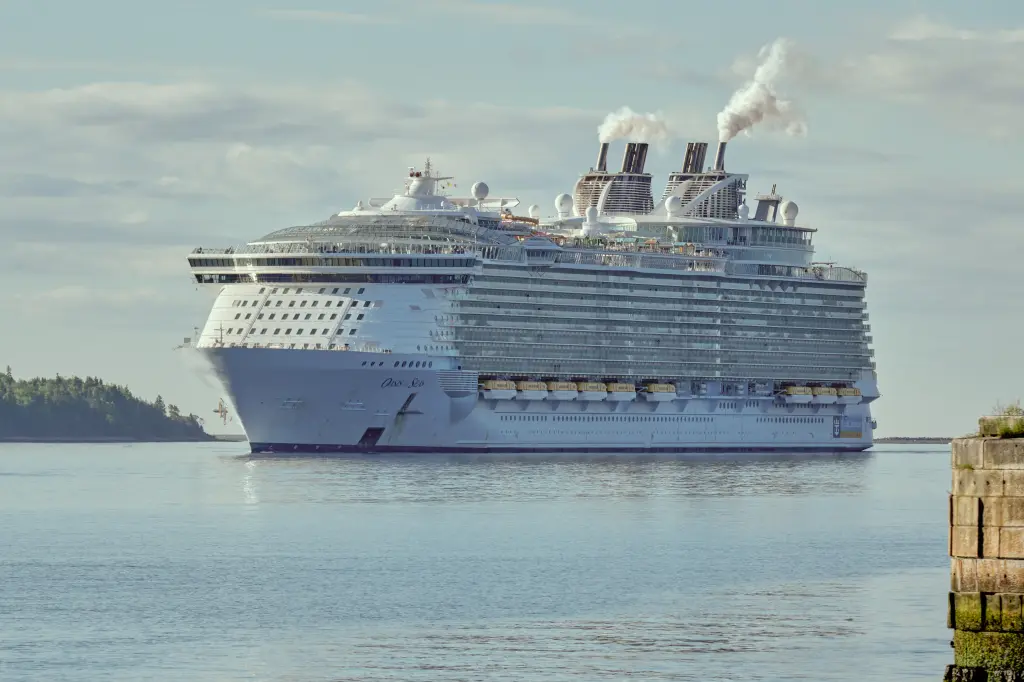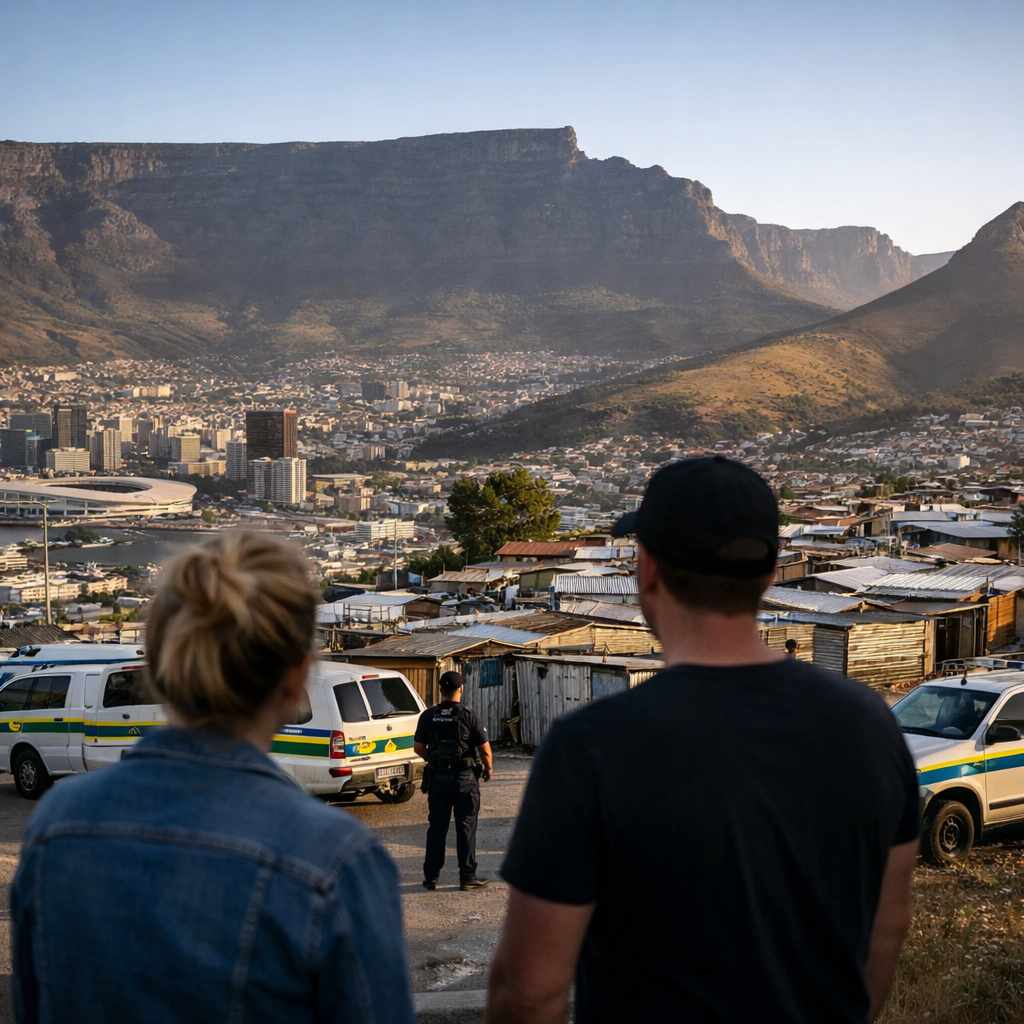

South Africa is walking a tightrope in 2026. On one side, the country is celebrating a powerful tourism rebound with millions of visitors returning and billions flowing into the economy. On the other, a fresh New Zealand travel warning on South Africa is raising renewed concerns about safety, putting global attention back on crime risks just as the sector regains momentum.
The growth story is undeniable. South Africa recorded a historic 10.5 million international arrivals in 2025, marking one of its strongest post-pandemic recoveries. That momentum has continued into 2026, with nearly two million visitors arriving in just January and February.
January alone saw 1,133,533 arrivals, reflecting a 12.4% year-on-year increase. February followed with 864,534 visitors, up 13.1% compared to 2025. These figures highlight a steady rise in global interest, especially during peak travel periods and holiday seasons.
Tourism is not just about arrivals — it is a major economic driver. According to Statistics South Africa, the sector employed 953,981 people in 2024, accounting for 5.7% of the national workforce. That translates to roughly one in every 18 jobs being linked to tourism.
The industry’s contribution to the economy has also surged. Tourism accounted for 4.9% of GDP in 2024, surpassing its pre-pandemic level of 3.7% in 2019. Notably, it outperformed sectors like agriculture, utilities, and construction, reinforcing its growing importance.
Spending trends further underline the rebound. Total tourism expenditure reached a massive R779.2 billion. Domestic tourism remained the backbone, contributing R665.3 billion, while international visitors added R113.9 billion.
Officials, including Tourism Minister Patricia de Lille, have emphasized that local travellers continue to play a crucial role in sustaining the sector. At the same time, international tourism is strengthening, supported by initiatives like the planned Electronic Travellers Authorisation system and aggressive global marketing campaigns positioning South Africa as an affordable destination for both leisure and business travel.
However, this growth narrative is now being challenged by renewed safety concerns.
New Zealand has placed South Africa under a Level 2 travel advisory, urging its citizens to “exercise increased caution.” The warning highlights a very high level of violent crime, particularly in city centres, townships, and during night-time.
The advisory lists serious risks including mugging, murder, sexual assault, armed robbery, carjacking, and kidnapping. Travellers are urged to stay alert, avoid public transport in certain areas, keep car doors locked, hide valuables, and avoid following unfamiliar GPS routes blindly.
It also cautions against stopping for broken-down vehicles or picking up hitchhikers, noting that such situations can be exploited by criminals. Power outages and local unrest are additional factors travellers are advised to monitor closely.
New Zealand’s warning adds to a growing list of international advisories. The United States, United Kingdom, and Canada have all maintained similar warnings in 2026, flagging concerns around violent crime, scams, kidnapping, and in some cases, terrorism risks.
Canada has warned that foreigners may be specifically targeted, while the UK has highlighted rising cases of fraud, including visa scams, card skimming, and cybercrime. The United States continues to advise travellers to exercise increased caution due to crime and unrest.
For global travellers, the message is mixed but clear. South Africa remains one of the most attractive and diverse destinations in the world, offering strong value, rich cultural experiences, and natural beauty. Millions visit safely every year.
Yet the risks highlighted by multiple governments cannot be ignored. Safety conditions can vary significantly depending on location, time of day, and travel behaviour.
For South Africa, the challenge now goes beyond attracting visitors. The country has proven it can drive tourism growth, create jobs, and boost spending. The next phase will depend on whether it can strengthen safety perceptions and build deeper trust among international travellers.
As 2026 unfolds, South Africa’s tourism story is no longer just about recovery. It is about resilience — and whether rising visitor numbers can coexist with global confidence in traveller safety.
You may like: Toronto Zoo baby Masai giraffe Imara enters public vote

Make Swikblog your go-to source on Google for reliable updates, smart insights, and daily trends.