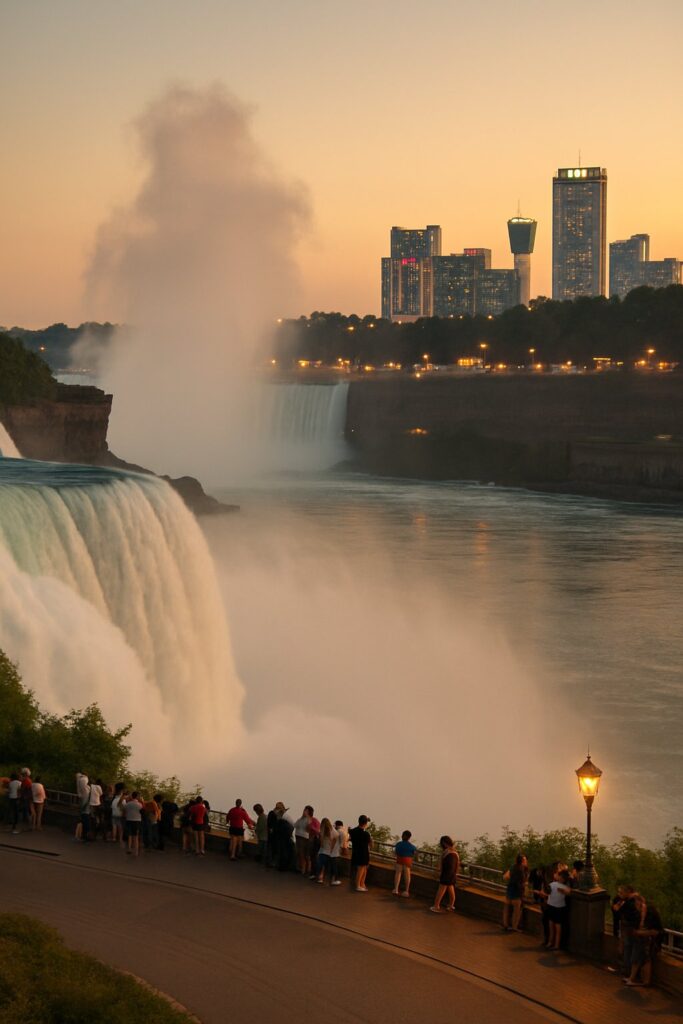

Ontario’s government says it wants to turn the Niagara region into an even bigger year-round draw — with talk of expanded casino offerings, a potential new theme park, and broader upgrades meant to boost visitor numbers and spending.
Niagara Falls is already one of Canada’s most famous tourism magnets — but Queen’s Park is making the case that the region can go further. This week, Premier Doug Ford and the province outlined what they’re calling a new “Destination Niagara” approach, pitched as a strategy to modernize and expand attractions, improve infrastructure, and compete more aggressively with other international leisure hubs.
At the center of the announcement is a straightforward ambition: grow Niagara into a destination that keeps visitors staying longer, spending more, and returning beyond peak summer weekends. Government messaging frames it as a plan to “unlock” the region’s next phase of tourism growth — including major new entertainment options that are likely to spark a wide public conversation.
According to Ontario’s published strategy materials, the “Destination Niagara” plan focuses on multiple pillars that include expanding tourism attractions, improving visitor experiences, and enabling new development to support a higher-volume, more globally competitive tourism economy. (Source: Ontario government release)
What’s being proposed in the Niagara tourism push?
While the plan is being presented as a broad strategy rather than a single construction project, the headlines are being driven by the entertainment angle: Ontario is publicly signalling interest in expanding the Niagara gaming and attractions ecosystem. That includes exploring ways to elevate the casino experience and assessing what additional destination-scale attractions could look like in the region.
In other words, Niagara isn’t being marketed simply as “come see the Falls” — it’s being positioned as “come for multiple days.” That’s where ideas like a theme park, expanded gaming options, and enhanced visitor infrastructure come into play.
A separate Ontario page on the initiative also references exploring options to expand the Niagara gaming experience, including the possibility of expanding the market. (Source: Destination Niagara page)
Why casinos and big attractions are the headline
When governments talk about tourism growth, it’s often framed in terms of jobs, tax revenue, and economic spillover for local businesses. But casinos and theme-park-scale attractions generate an extra layer of attention because they reshape what a destination “is” — and who it’s built for.
Supporters of a bigger entertainment footprint typically argue that large attractions can stabilize tourism throughout the year, smooth out seasonal highs and lows, and create a pipeline for hospitality employment. Critics often raise concerns about local congestion, affordability, community character, and the social costs that can come alongside expanded gambling.
Media coverage of the announcement has highlighted Ford’s public push for more and larger casino options as part of a broader vision to revitalize Niagara Falls’ tourism offering. (Background reporting: Global News)
What this could mean for visitors
For travellers, the immediate takeaway is simple: Ontario wants Niagara to feel like a bigger, more complete “trip,” not just a stop. If new attractions and infrastructure investments actually materialize, visitors could see more family-friendly entertainment, upgraded public spaces, smoother transportation links, and expanded options during shoulder seasons (fall and winter), when tourism typically slows.
It also suggests a more aggressive push to attract international tourists — not only from the U.S. Northeast, but from long-haul markets that plan multi-day itineraries. Niagara already sits naturally on cross-border travel routes, so even modest improvements to transit, signage, and visitor flow can make a measurable difference to experience quality.
What this could mean for residents and local businesses
For people who live and work in the region, “Destination Niagara” will likely be judged less by press releases and more by practical outcomes: Does it create reliable, well-paid jobs? Does it protect quality of life for neighbourhoods near the tourism core? Does it support small businesses — or mainly benefit a narrow set of large operators?
Local restaurants, hotels, and tour companies often welcome policies that keep visitors in the area longer, because longer stays typically translate to higher spending across the local economy. At the same time, residents may want clarity on traffic and congestion planning, policing needs, housing pressures, and the timeline for any major projects.
The province has described the strategy as a large, multi-part plan, but specific cost breakdowns and the division between public spending and private investment will likely be where the debate intensifies next.
What happens next?
In the short term, expect a wave of follow-up questions: Which attractions are actually being pursued? Where could they go? Who would build and operate them? And what kind of public consultation will be required — especially for projects that change land use, traffic patterns, or the character of the tourism district?
Big tourism plans typically move in phases: concept, stakeholder talks, feasibility, approvals, and only then construction timelines. So while the announcement has sparked immediate interest — especially around the casino and theme park ideas — the details that matter most (scope, funding, approvals, and timelines) will likely emerge over weeks and months.
For now, one thing is clear: Ontario is betting that Niagara’s next chapter isn’t just about the Falls — it’s about building a broader entertainment ecosystem that can compete with major destination brands and keep the region booming year-round.
Written by Swikblog Desk

Make Swikblog your go-to source on Google for reliable updates, smart insights, and daily trends.