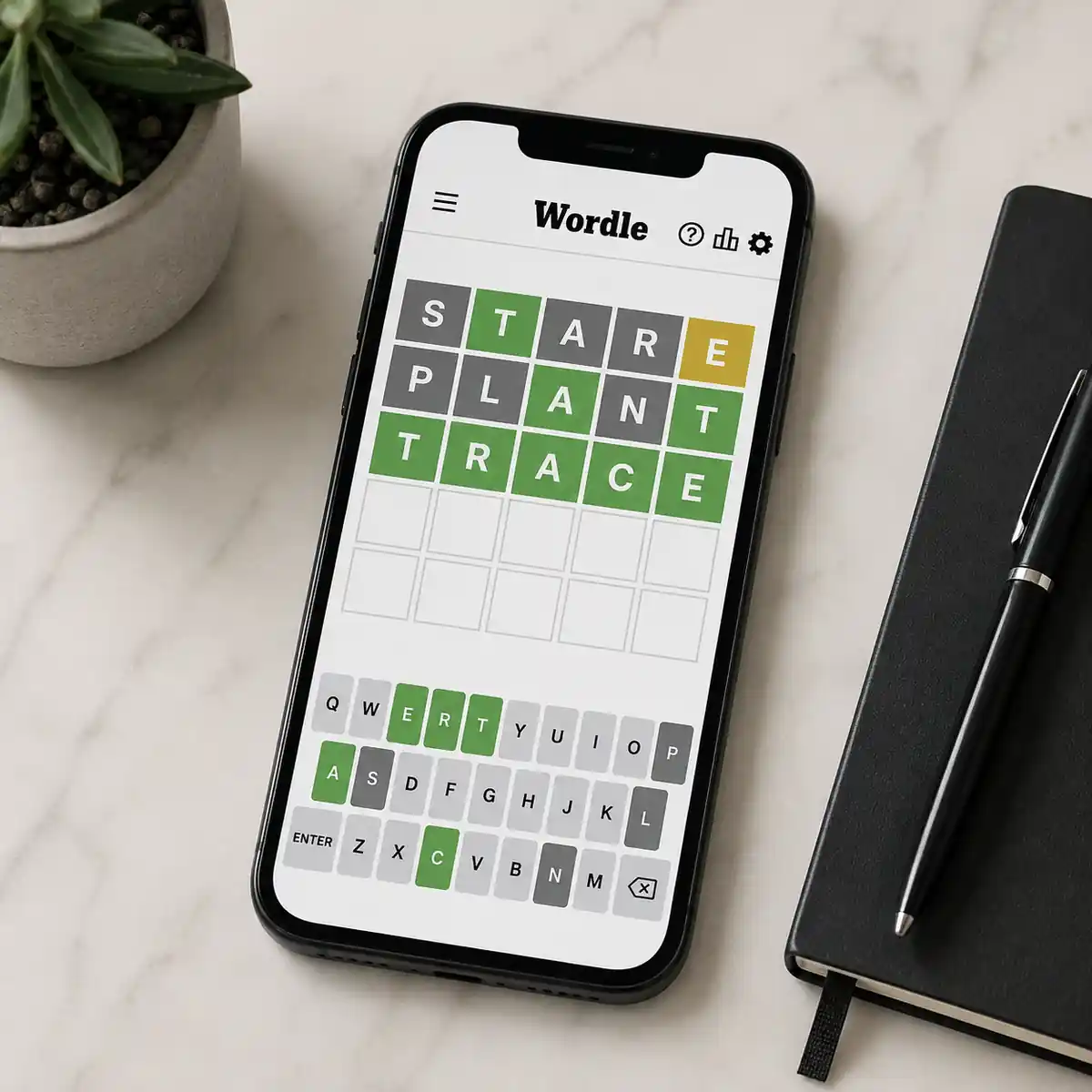
Today’s Wordle #1768 for April 22 brings a smoother ride compared to tougher recent puzzles, but it still demands attention to detail. The word uses fairly common letters, which means many players could get close early — though the exact arrangement may still take a few tries to lock in.
Unlike puzzles built around rare characters, today’s challenge leans into familiar letter combinations and everyday vocabulary. That makes it accessible, but also slightly deceptive, as multiple similar guesses may seem correct before landing on the final answer.
If you’re looking to solve it faster or sharpen your guessing strategy, the hints below will guide you step by step without giving everything away too early.
More News
According to today’s clues, the puzzle includes no repeated letters, which makes each guess more valuable in eliminating possibilities. Players who start with balanced words containing both vowels and consonants may find themselves progressing quickly.
The structure also includes two vowels, helping define the word’s rhythm early on. Combined with common consonants, this creates a puzzle that feels straightforward — but still requires precise placement.
Today’s Wordle Hints
• There are no repeated letters, so each letter appears only once
• The word contains two vowels, making it easier to identify structure
• The answer starts with the letter S, a frequent Wordle starting character
• The meaning relates to a sound some people make while sleeping
Because the letters are relatively common, many players may quickly identify correct characters but need extra attempts to arrange them properly. This is where strategic repositioning becomes key.
If you’re stuck, consider using a fresh starter word with high-frequency letters. Studies analyzing Wordle patterns have shown that certain letters appear more often in English, which can improve early guesses.
Today’s Word: SNORE
A familiar sound made by some people during sleep, often caused by restricted airflow.
Today’s Wordle shows how even a simple, everyday word can feel challenging when you're working under limited guesses. It’s less about difficulty and more about precision.
As always, experimenting with different strategies — like mixing common and slightly less obvious letters — can improve your chances in future puzzles.
Try your next challenge on the New York Times Wordle page, where a new puzzle is released daily.
By Gael Cooper (adapted)

Make Swikblog your go-to source on Google for reliable updates, smart insights, and daily trends.