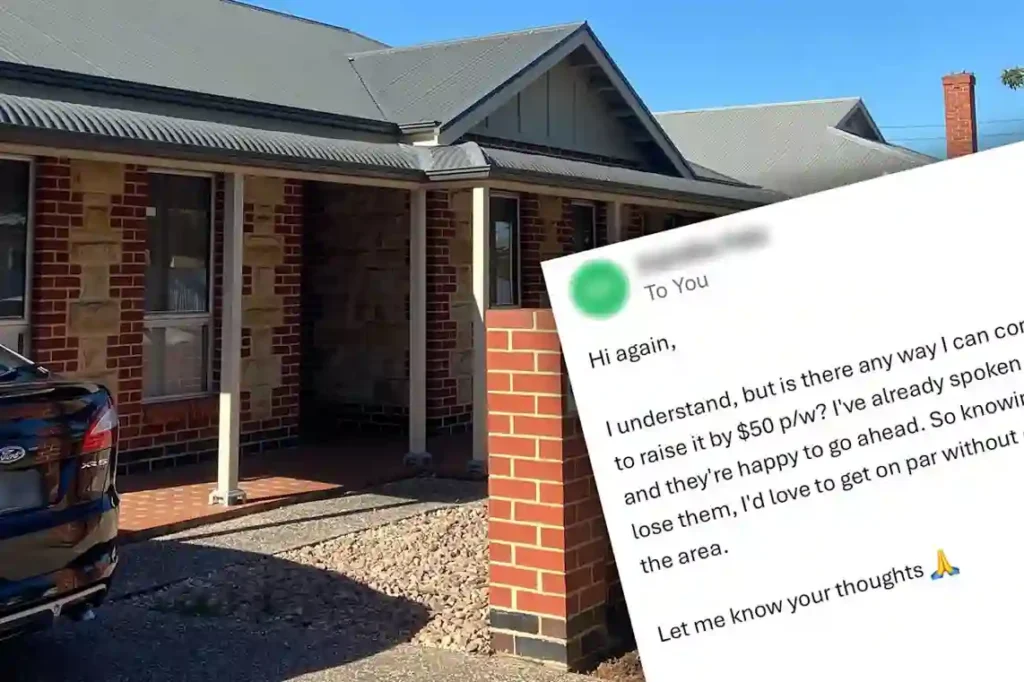

A Queensland rental dispute has turned a modest $50-a-week rent rise into a warning for landlords who rely on property managers to make decisions on their behalf.
The case involves an Australian investment property owner who says their property manager moved ahead with a weekly rent increase despite being told not to. The landlord believed the proposed rise was too steep and feared it could push out tenants who had been reliable, respectful, and careful with the home.
That concern appears to have become reality. Before the new rent even started, the tenants gave notice that they were leaving.
For the landlord, the problem was not only the lost tenancy. It was the way the decision was handled. The property manager had first asked whether the owner approved a $50 weekly increase ahead of the lease renewal. The owner replied that they did not approve it. But the agent later said the increase had already been raised with the tenants and that they had accepted it.
The landlord then went along with the increase, but the damage may already have been done. With the tenants now leaving, the owner faces the possibility of advertising costs, reletting expenses, a new tenant sign-on fee, and several weeks without rent if the property sits vacant.
That is why this story has drawn attention beyond one landlord-agent dispute. It shows how a small rent decision can become expensive when communication breaks down and authority is unclear.
Why the $50 rent rise became a bigger problem
In a tight rental market, landlords are often encouraged to review rent when a lease is renewed. But higher rent is not always the best financial outcome if it risks losing good tenants.
A $50 weekly rise would add about $2,600 a year in extra rent. But even a short vacancy can reduce or wipe out that gain. If a landlord has to pay marketing costs, reletting fees, property management fees, and mortgage costs during an empty period, the financial benefit of the increase can disappear quickly.
This is the calculation many investors miss. A strong tenant who pays on time, reports issues early, and keeps the property in good condition can be more valuable than a small increase in weekly rent.
The landlord in this case appears to have understood that. Their instruction was not emotional; it was a practical decision to protect a stable tenancy. The issue is that the property manager allegedly acted before getting final approval.
Under Queensland rental rules, rent increases must follow legal requirements around timing, notice, and tenancy conditions. The Residential Tenancies Authority provides guidance on rental law changes and tenancy obligations in Queensland.
But this dispute also sits in another area: agency law. A property manager does not own the rental property. They act for the owner under an agreement that sets out what they are allowed to do.
Queensland’s Property Occupations Act 2014 regulates property-related occupations, including the conduct of licensed agents. In plain terms, an agent is expected to act within the authority given by the client.
If a landlord clearly says in writing that a rent increase should not go ahead, and the agent proceeds anyway, the owner may have grounds to argue the manager acted outside their authority.
That does not automatically mean compensation is guaranteed. The landlord would still need to show that the property manager’s conduct caused a real financial loss. They may also need evidence that the tenants left because of the rent increase, rather than for unrelated reasons such as work, family, affordability, or a move to another home.
Still, the email trail could be important. Written messages showing the landlord rejected the increase, followed by the manager confirming the tenants had already been told, may help support a complaint or termination request.
Read More
- Visit Swikblog Homepage
- Two Fighter Jets Collide at Idaho Air Show
- Italian Men Who Won Rome Before Jannik Sinner
- Timmy the Humpback Whale Found Dead After Rescue Attempt Failed
- Trump’s Rededicate 250 Rally Sparks Church-State Debate
- Iyo Sky Officially Announces Marriage to WWE Star Naraku
- Q-Day Threat: Google’s Quantum Cybersecurity Warning
The landlord’s next step would usually be to review the property management agreement. Key areas include termination clauses, breach provisions, notice periods, and any fees that apply if the owner ends the agreement early.
If the agency refuses to resolve the issue, the owner may consider escalating the matter through Queensland’s fair trading channels or seeking advice about a dispute through QCAT. Complaints may also be possible if the agency is linked to a professional body.
The broader lesson is not that landlords should never raise rent. It is that rent decisions need to be deliberate, documented, and approved by the person who carries the financial risk.
Australia’s housing market is already under pressure, with renters facing affordability stress and investors watching policy changes closely. Swikblog recently reported on how property-related tax debate could affect rents in Negative Gearing Changes Could Trigger 30% Rent Surge in Australia.
For landlords, the safest approach is to give clear written instructions to property managers before lease renewals begin. That includes the maximum rent they are willing to accept, whether negotiation is allowed, and whether the agent must seek final approval before speaking to tenants.
For tenants, the case is also a reminder that rent increases can change the tone of a rental relationship quickly, even when both sides have previously been satisfied.
What began as a $50 weekly adjustment has become a cautionary example for property investors: a good tenant is an asset, and a property manager’s authority should never be left open to interpretation.

Make Swikblog your go-to source on Google for reliable updates, smart insights, and daily trends.