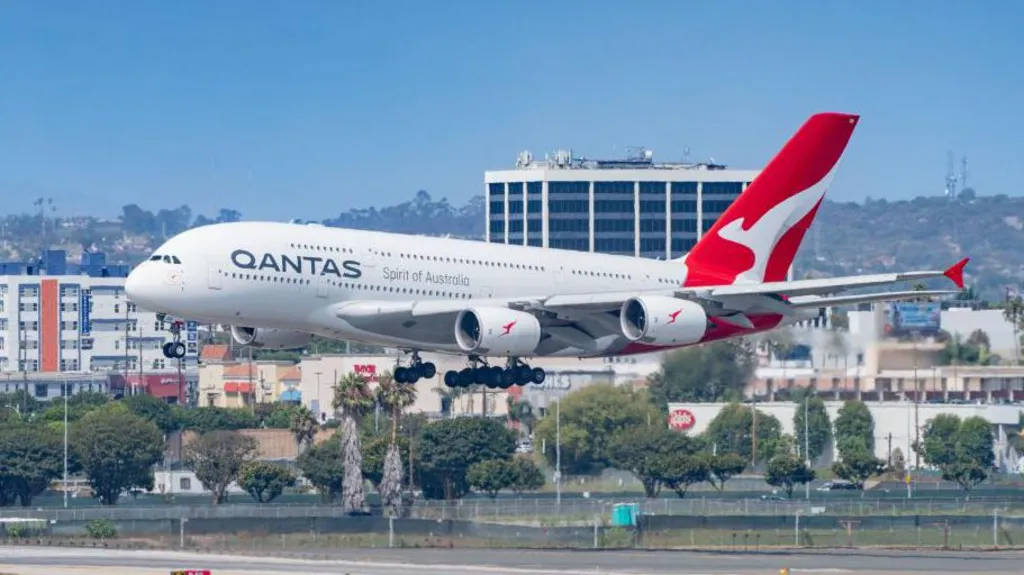

Qantas has agreed to pay A$105 million (£55 million; US$74 million) to settle a class action over COVID-19 flight refunds, in a major development for passengers who were issued travel credits instead of cash after their flights were cancelled during the pandemic. The settlement, announced on Friday, 13 March, is still subject to approval by the Federal Court of Australia, but if cleared, affected customers could begin receiving money in their bank accounts by the end of this year.
The lawsuit covered passengers booked on domestic and international Qantas flights scheduled to depart between January 2020 and November 2022 that were cancelled by the airline, including cancellations linked to COVID-19 disruptions. Rather than issuing timely cash refunds, Qantas gave many customers travel credits, a move that later became the center of a high-profile legal fight.
Qantas settles for far more than expected
The final settlement amount is significant not only because of its size, but because it came in well above what Qantas had previously indicated. In its latest half-year results published in February, the airline said it expected to pay around A$55 million to settle the flight credits class action. The agreed payout of A$105 million is almost double that figure, showing the true financial scale of the dispute.
Qantas said it agreed to the settlement with no admission of liability. Even so, the outcome represents another costly cleanup from the pandemic era, a period that continues to cast a long shadow over the airline’s finances and reputation.
How the class action began
The case was filed in August 2023 and led by Echo Law on behalf of Qantas customers who held tickets for flights cancelled between 2020 and 2022. The law firm alleged that Qantas breached its contractual obligations by failing to provide refunds within a reasonable time and instead offering credits in place of cash.
Echo Law also argued that Qantas engaged in “misleading or deceptive conduct” over customer refund rights, in violation of Australian law. According to the firm, the airline “unlawfully benefited from customers by holding for years a very significant amount of customer funds that ought to have been refunded.” That accusation went to the heart of customer anger, because for many travelers the issue was never just the cancellation itself, but the fact that their money remained tied up for years.
Passengers may get cash this year
If the Federal Court approves the agreement, the settlement amount will be paid to a court-approved administrator, who will manage the refund process for eligible passengers. Echo Law said that in the coming weeks the court will be asked to approve a notice to group members explaining the terms of the settlement and setting out what they must do to claim their share.
Until that notice is distributed, customers do not need to do anything. That point is important because many affected travelers may now be looking for immediate claim forms or payment instructions. Based on the information released so far, the process has not yet opened.
Qantas said affected customers can expect the settlement payment to be made to the administrator, with money potentially reaching passenger bank accounts by the end of 2026. For many customers, that would finally convert years-old flight credits into real cash compensation.
The COVID credit controversy
The controversy dates back to the travel chaos of the pandemic, when airlines across the world cancelled flights as borders shut and demand collapsed. Qantas responded by issuing credits to many passengers instead of automatically processing cash refunds. While that may have helped preserve cash during the crisis, it also triggered intense criticism from travelers, consumer advocates, and later class action lawyers.
Qantas said in its statement that in 2023 it removed the expiry date on flight credits issued during the pandemic so customers could request a cash refund immediately. The airline also clarified that for Qantas customers, a “COVID Credit” refers to travel credits for bookings made up to and including 30 September 2021.
Former chief executive Alan Joyce had earlier tried to calm the backlash by saying customers could request a cash refund for their Qantas COVID travel credits at any point in the future. He also said the credits and vouchers would never expire. In a video statement, Joyce admitted the airline had heard customer frustration, saying the credit system was “not as smooth as it should have been” and that many people had lost faith in the process.
Why investors may not be alarmed
Despite the large headline figure, some analysts believe investors may not treat the settlement as a major new shock. Their view is that Qantas had already prepared the market for a legal cost related to the case, even if the final number came in much higher than first signaled. More importantly, settling now removes a lingering uncertainty that could have weighed on the airline for months if the case had continued in court.
Analysts cited in the coverage said Qantas may have concluded that a courtroom loss would have been more expensive and more damaging than a A$105 million settlement. That logic fits a broader market pattern: investors often prefer a painful but finite payout over an open-ended legal fight that keeps generating negative headlines.
The settlement may also help CEO Vanessa Hudson as she tries to push the airline beyond the controversies of the Alan Joyce era. But it does not erase the reputational damage. The refund dispute became one of the clearest examples of how pandemic-era corporate decisions can keep hurting a brand long after the immediate crisis has ended.
Jetstar faces a similar legal fight
The Qantas settlement is not the only case of its kind. Echo Law is also leading a similar class action against Jetstar, Qantas’s budget airline unit, over allegations that customers were given travel credits worth less than the refunds they were entitled to receive.
According to Echo Law, Jetstar also enjoyed significant financial benefits at the expense of its customers by handling refunds this way. The report noted that Jetstar is continuing to defend that case, meaning further legal pressure may still lie ahead for the broader Qantas group.
Another chapter in Qantas’s pandemic fallout
The settlement lands against a wider backdrop of legal and reputational problems linked to Qantas’s conduct during the pandemic. In August 2025, the airline was fined a record A$90 million for illegally sacking more than 1,800 ground workers during COVID-19. The penalty was the largest ever imposed by an Australian court for breaches of industrial relations laws.
At the time, Qantas said it accepted the fine and acknowledged that the ruling held it accountable for actions that caused “real harm” to employees. Vanessa Hudson also issued an apology to the 1,820 ground handling workers and their families who suffered as a result.
What happens next
The next step is court approval. If the Federal Court signs off on the settlement, affected passengers will receive formal notice explaining eligibility and the claims process. Only then will the administrator begin distribution.
For Qantas customers who spent years waiting for clarity, the A$105 million settlement is the strongest sign yet that the long-running refund saga may finally be nearing an end. For Qantas itself, the payout closes one more painful pandemic-era battle, but it also serves as a reminder that the financial and reputational costs of those decisions are still being counted.

Make Swikblog your go-to source on Google for reliable updates, smart insights, and daily trends.