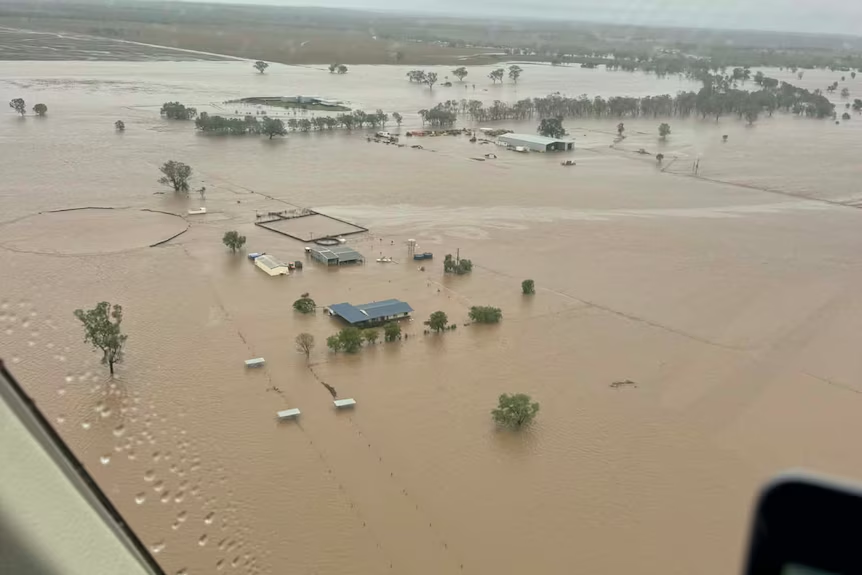

Ex-Tropical Cyclone Koji has left parts of north and central Queensland inundated, with major river systems still running high, communities cut off and widespread agricultural losses mounting.
A flood emergency continues across Queensland after the remnants of ex-Tropical Cyclone Koji dumped intense rainfall over already-saturated catchments, triggering fast-rising rivers, rescues and fresh evacuation warnings in parts of the state. Authorities have urged residents in low-lying areas to stay alert, avoid floodwater and follow official warnings as conditions shift from town to town.
In central Queensland, the town of Clermont has been among the hardest hit, with the clean-up beginning as water levels slowly recede — but major flood peaks are still being monitored on key river systems. The ABC has reported “leave now” warnings for residents in low-lying areas as the Mackenzie River rises rapidly, with officials cautioning that the danger can persist even after rainfall eases. (See updates from ABC News.)
Key facts so far
- Flood warnings and evacuation messaging remain active in parts of north and central Queensland as major rivers continue to run high after Koji’s rain.
- Clermont has reported some of its heaviest falls in more than a century, with residents describing minutes to evacuate as water surged through streets and homes.
- Livestock losses have been described as severe, with reports of around 50,000 head of cattle missing or presumed dead across affected regions as floodwaters spread across grazing country.
- Emergency crews have carried out rescues in flooded areas, while road closures and damaged infrastructure have left some communities isolated.
For the most up-to-date flood warnings and river height information, readers should check the Bureau of Meteorology Queensland warnings page and follow local council emergency updates.
The damage on farms: “Not all was lost”
Beyond the immediate danger to people and homes, the floods are tearing through Queensland’s agricultural heartland. Graziers have described stock losses, washed-out fencing and significant damage to pasture, seed and feed — setbacks that can take months to recover from even after water levels drop.
One of the most extraordinary stories has emerged from Netherdale, west of Mackay. ABC Capricornia reported that farmer Michael “Lizard” Seymour recorded more than 650mm of rain on his property after Koji moved through, and watched as floodwater swept away cattle, grass seed and fertiliser. (ABC report.)
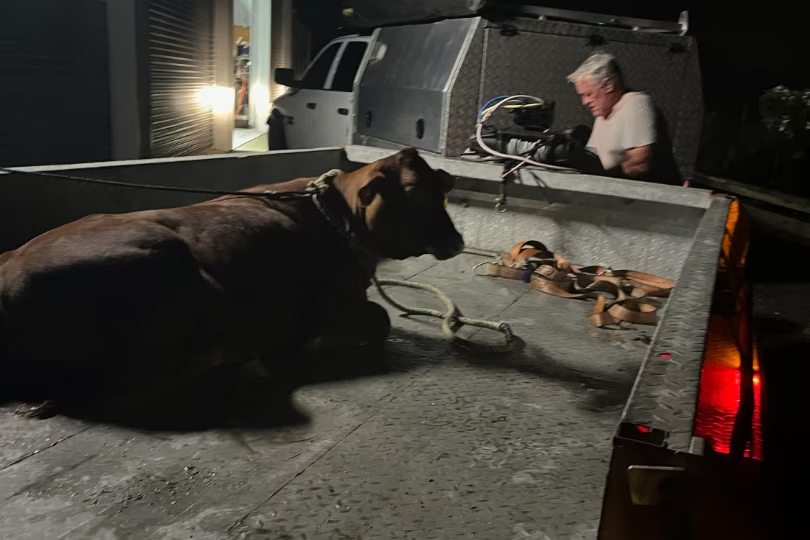
“I got a phone call Sunday afternoon from Mackay police… They said, ‘Lizard, we got one of your cows on the town beach.’”
— Michael “Lizard” Seymour, via ABC Capricornia
The heifer at the centre of the story — an 11-month-old red brangus — was reported to have been swept roughly 80 kilometres in hours, pushed over multiple weirs and washed out toward the river mouth before the tide carried it back to shore. Against the odds, it was found alive and pulled from the water.
Why the risk can linger after the rain
Flood emergencies often evolve in stages: torrential rain triggers flash flooding, then swollen rivers and saturated catchments can keep water moving for days — sometimes longer — even as skies clear. That’s why authorities continue to urge caution around creeks, causeways and low crossings, and why “leave now” messages may remain in place as river peaks arrive downstream.
For anyone in affected areas, the safest approach is to rely on official warnings, avoid driving through floodwater, and follow local emergency instructions. If you need Queensland disaster assistance information and updates, check the official Queensland disaster management hub: Queensland Disaster Management.
Read more: Tropical Cyclone Koji Queensland Update

Make Swikblog your go-to source on Google for reliable updates, smart insights, and daily trends.