Walk into LAMMA this year and the message is clear: the next phase of UK tractor buying isn’t just about horsepower. The biggest launches lean into road speed and stability, smarter operator controls, alternative fuels, and driver-assist technology that’s starting to feel familiar from modern cars and lorries.
For UK growers and contractors, that matters. More machines now have to do “double duty” — heavy draft work one day, fast, safe haulage the next — while keeping fuel use, fatigue and downtime under control. At LAMMA 2026, the new tractors being shown point to a market that’s prioritising comfort, connectivity and capability just as much as peak power.
The big trend: more performance, delivered smarter
Across the launches, there are a few recurring themes UK buyers should note:
- HVO compatibility is becoming a headline feature, not an afterthought.
- Software refreshes are being treated like new model upgrades — more automation, more customisation, better data.
- Cab design is shifting toward space, visibility and reduced operator workload.
- Road manners (speed, braking, stability) are central for farms running long-distance haulage.
New Holland T7 XD: a bigger step into high-hp territory
New Holland’s XD range makes a strong UK statement at LAMMA, pitching itself at the “do-it-all” end of the market — heavy field work, demanding PTO tasks, and rapid transport. The UK line-up brings three models in the range, paired with a CVT transmission, and built around a larger fuel capacity than smaller T7 machines. If you want the manufacturer’s overview of the platform, New Holland’s official product page is here: New Holland T7 XD.
The bigger takeaway is strategic: UK buyers are being offered more horsepower in a familiar “main tractor” format — rather than a jump to specialist machines. That suits farms that want one unit to cover multiple jobs through the season.
Deutz-Fahr 8 Series: the cab and safety tech steal attention
Deutz-Fahr’s new 8 Series is being positioned as a clean-sheet move, with the most talked-about upgrade being the operator environment and the tech layer around it. The brand is highlighting the SigmaVision cab concept — built around visibility and space — and promoting advanced camera-led assistance features as a genuine safety and productivity play. Deutz-Fahr’s own overview of the Series 8 is here: Deutz-Fahr Series 8.
Why it matters in the UK: farms are hiring and retaining operators in a competitive market. A tractor that’s easier to live in — and simpler to run consistently — can be a real advantage over a long season, especially when road work and tight yards are in the mix.
Fendt 800 Vario: low-rev road speed and premium refinement
Fendt’s new 800 Vario generation sits right in the sweet spot for high-capability UK tractors — big enough for serious draft work, while designed to keep road travel efficient and calm. The brand is leaning into the idea that you can hit practical road speeds at relatively low engine revs, backed by drivetrain changes and a broader push for reduced wear and extended service intervals.
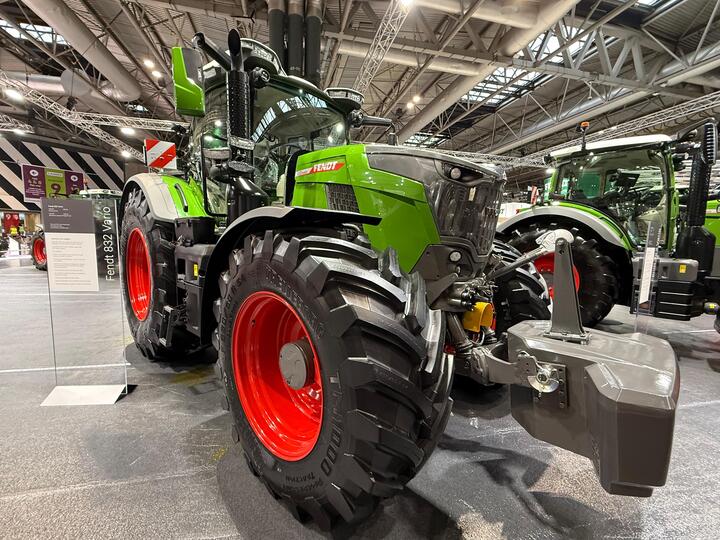
Fendt’s own LAMMA 2026 announcement is here: Fendt LAMMA debut for new tractor generations. For background on the 800 Vario’s operating concept (including the low-speed iD approach), see: Fendt 800 Vario details.
JCB Fastrac 6000: road performance becomes the headline feature
Few machines represent the “UK direction of travel” better than the latest JCB Fastrac. The new 6000 Series aims to bridge a gap in the line-up while keeping the Fastrac identity front and centre: suspension, speed, stability, braking and steering — designed for serious transport work as well as field operations.
JCB’s official 6000 Series product page (including details on features like CTIS availability) is here: JCB Fastrac 6000 Series. In show coverage, the 6000’s positioning and headline specification have been widely noted as part of a broader push toward faster, safer UK haulage alongside increasingly automated in-cab control systems.
What it all adds up to for UK farming
Put the launches side by side and a pattern emerges: manufacturers are treating the tractor as a connected, operator-first platform — and increasingly as a machine that must perform reliably on the road as well as in the field. That shift reflects how UK farming actually works in 2026: bigger distances, tighter time windows, higher labour pressure, and a constant need to do more work with fewer passes.
If you’re heading to the show (or following from afar), the smartest way to compare these machines isn’t just horsepower on a spec sheet. Ask how they handle: visibility in tight spaces, repeatable headland work, road stability, control layout, service intervals, and whether the software helps the operator stay consistent in long days.
You may also like:
February 2026 Benefit Payment Dates: Universal Credit, Pensions and Key Changes

Make Swikblog your go-to source on Google for reliable updates, smart insights, and daily trends.