Skywatchers will have a rare opportunity to spot six planets in the evening sky on February 28, creating one of the year’s most interesting astronomy events. While the planets will not appear in a perfectly straight line, they will be visible across the same region of the sky for a short period after sunset. Success depends on clear weather, an unobstructed western horizon, and careful timing before the brightest twilight fades.
The display includes Venus, Mercury, Saturn, Neptune, Jupiter, and Uranus. Some can be seen without equipment, while others require binoculars or a telescope. The viewing window for the lower planets lasts less than an hour, making preparation especially important.
When and where to look
The best viewing date is Saturday, February 28. Find a location with a wide-open view toward the western horizon, away from tall buildings, hills, or trees. Arriving before sunset allows enough time to get oriented before the planets begin appearing.
The ideal observing period starts around 30 minutes after sunset and continues for about 45 minutes. After that, the lower planets gradually disappear into the horizon glow.
Four planets gather low in the west
The first part of the lineup appears close to the western horizon. Venus is by far the easiest planet to identify because it shines much brighter than surrounding stars. It serves as the starting point for locating the rest of the group.
Mercury sits lower and closer to the horizon, making it one of the more difficult naked-eye targets. Dry air and a clear skyline greatly improve visibility. Saturn appears slightly higher as a steady golden point, while Neptune remains the biggest challenge because it is too faint to see without optical equipment.
A telescope with an aperture of around 6 inches offers the best chance of spotting Neptune, although bright twilight can still make the planet difficult to distinguish.
Jupiter becomes the evening highlight
If the western horizon becomes too bright or hazy, Jupiter provides an easier target later in the evening. The giant planet shines high in the southern sky within the constellation Gemini, standing out with a bright, steady glow that usually does not twinkle.
One simple way to navigate the sky is by using Orion’s Belt. The three bright stars point roughly between the lower western planets and Jupiter, making them a useful reference for beginners.
Finding Uranus near the Pleiades
Uranus is visible higher in the evening sky but generally requires binoculars or a small telescope. A reliable guide is the famous Pleiades, or Seven Sisters, one of the best-known open star clusters.
Look above Orion’s Belt toward the Pleiades in the constellation Taurus. Uranus appears just below the cluster as a faint bluish point rather than a sparkling star.
If you enjoy following major celestial events throughout the year, you may also be interested in the latest developments surrounding the NASA and commercial Moon mission timeline, which highlights upcoming space exploration milestones.
Moon passes close to the Beehive Cluster
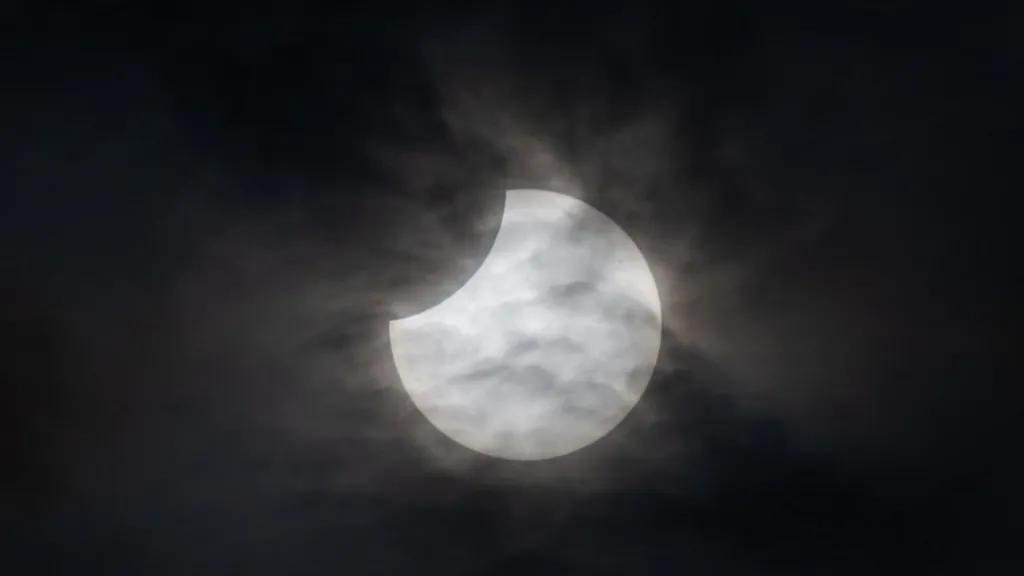
The evening offers another attraction beyond the planetary lineup. A waxing gibbous Moon, approximately 92% illuminated, will appear near the Beehive Cluster (M44) in the constellation Cancer.
The Beehive contains roughly 1,000 stars and lies about 577 light-years from Earth. Although moonlight reduces contrast, binoculars can still reveal many of the cluster’s brighter stars surrounding the glowing lunar disk.
Total lunar eclipse arrives a few days later
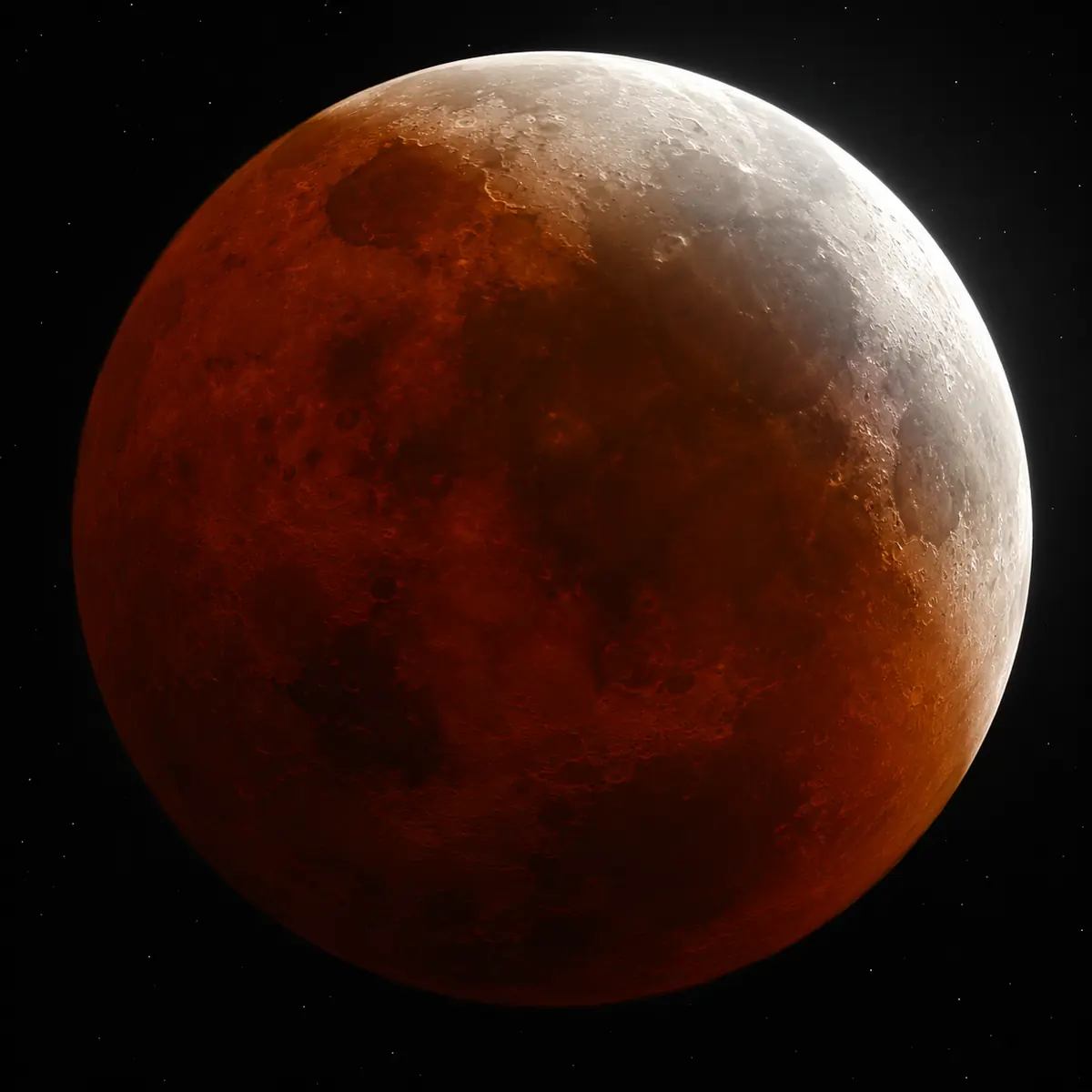
The end of February’s planetary display is quickly followed by another notable astronomical event. On March 3, a total lunar eclipse will occur during the full Worm Moon. During totality, Earth’s shadow can give the Moon a deep copper-red appearance for nearly 58 minutes.
The full eclipse is expected to be most favorable across the western United States, Alaska, Hawaii, the Pacific region, Australia, New Zealand, and parts of East Asia.
Simple tips for the best view
A dark location with a low western horizon offers the greatest chance of seeing all six planets. Even thin clouds or haze near the horizon can hide Mercury and Saturn within minutes, so checking the weather forecast beforehand is worthwhile.
Binoculars are helpful for locating Mercury, Uranus, and the Beehive Cluster, while a telescope provides the best opportunity to observe Neptune. For additional observing guidance, planet maps, and educational resources, visit NASA’s Solar System Exploration.

Make Swikblog your go-to source on Google for reliable updates, smart insights, and daily trends.