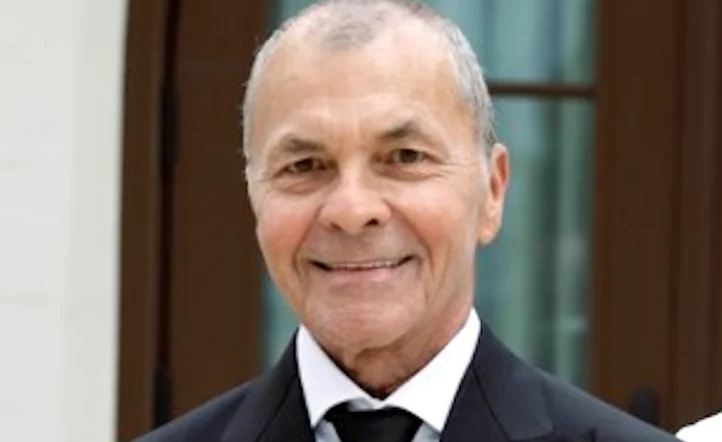
The Reserve Bank of Australia has kept the cash rate on hold at 3.60 per cent, but Governor Michele Bullock has delivered her bluntest warning yet: rate cuts are off the table for now and a hike is back in play. For mortgage holders, the pain may have only just begun.
By Swikblog News Desk | December 9, 2025 | Sydney, Australia
Quick Summary
- RBA holds the cash rate at 3.6% in its final meeting of 2025.
- Governor Michele Bullock says rate cuts are not on the horizon.
- A rate hike is now “on the table” if inflation stays sticky.
- Mortgage stress and high rents are likely to extend well into 2026.
RBA decision: rates steady, tone much tougher
In its December meeting, the Reserve Bank of Australia kept the official cash rate unchanged at 3.60 per cent. The hold itself was widely expected, but the message around it was not. In the post-meeting press conference and accompanying statement, Governor Michele Bullock warned that inflation has not eased as quickly as the Bank had hoped and that the risks are now “tilted to the upside”.
She made it clear that rate cuts are off the table for the foreseeable future, telling reporters that the Board will not hesitate to lift rates again if price pressures re-accelerate. A rate hike, she said, is “on the table” should incoming data show inflation moving away from the 2–3 per cent target band.
Yahoo Finance Australia described the move as a fresh blow to borrowers, noting that the RBA’s decision keeps repayments elevated and shuts the door on the early-2026 rate relief many households were banking on. You can read their full wrap here: RBA holds interest rates at 3.6% in blow for Aussie mortgage holders .
Why the next move could be up, not down
The RBA’s tougher language is driven by a run of hotter-than-expected inflation data. Both headline and underlying measures have picked up in recent months, pushed higher by services, rent increases and strong domestic demand. The labour market remains tight, with unemployment low and wage growth still solid.
Internationally, other central banks are wrestling with the same dilemma. For a comparison of how policymakers abroad are handling stubborn inflation and delayed rate cuts, you can read our explainer on Canada’s outlook: Bank of Canada rate cuts 2027 analysis . The themes are strikingly similar: strong jobs markets, sticky prices and anxious borrowers.
How this hits mortgage holders and renters
The immediate impact of today’s decision is simple: no change to repayments in the short term. But the bigger story is what happens next. With cuts off the horizon and a hike now possible, households face the prospect of higher-for-longer borrowing costs throughout 2026.
Variable-rate mortgage holders, who have already ridden out a rapid tightening cycle, will need to plan for the chance that their interest rate could edge even higher if inflation refuses to cool. Fixed-rate borrowers nearing the end of their terms may also face a painful reset onto elevated variable rates.
Renters are unlikely to be spared. Higher mortgage costs for investors, coupled with low vacancy rates, have been feeding through to record-high rents in most capital cities. If markets start to price in another RBA hike, those pressures could intensify just as wages struggle to keep up.
What borrowers should do now
With the RBA signalling a long period of restrictive policy, financial planners are urging households not to assume “the worst is over” just yet. Here are some practical steps to consider:
- Stress-test your budget: Run the numbers on your home loan with rates another 0.25–0.5 percentage points higher.
- Build a buffer: Redirect any spare cash into your offset or redraw account while you still can.
- Review fixed vs variable: Talk to your lender or broker about whether locking in part of your loan makes sense.
- Avoid over-borrowing: If you’re house-hunting, base your maximum purchase price on conservative rate assumptions.
None of these steps guarantee protection from future hikes, but they can help soften the blow if the RBA is forced to move again.
Outlook for 2026: long plateau, not quick relief
Market pricing after the decision now points to a long plateau at 3.6%, with only a small chance of cuts late in 2026. Governor Bullock reiterated that the Board will be “data dependent”, but repeated that its priority is to return inflation to target within a reasonable timeframe.
For borrowers, that means planning for a world where interest rates stay higher for longer — and where the next surprise from the RBA is more likely to be a hike than a cut. The message from Martin Place is clear: the inflation fight is not over, and the era of cheap money is nowhere in sight.
Related Reading
- How Canada is responding to persistent inflation
- Yahoo Finance: RBA holds rates at 3.6% in blow for mortgage holders
- RBA Official Monetary Policy Decision

Make Swikblog your go-to source on Google for reliable updates, smart insights, and daily trends.