
Updated: July 3, 2026
Families setting up football goals in their gardens this summer are being asked to spend a few extra moments putting nets away once play has finished. The RSPCA says loose goal netting can become a hidden danger for wildlife, especially overnight when animals move through gardens looking for food or shelter.
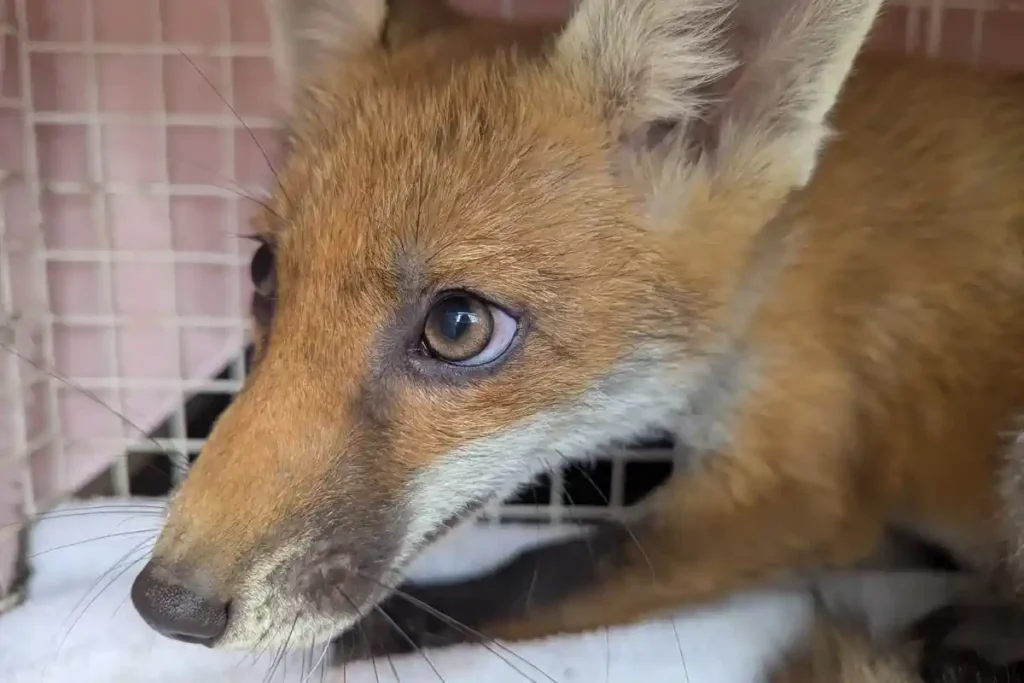
The renewed warning follows two recent rescue operations involving a wild deer in Suffolk and a young fox in north London. Both animals became trapped in unattended football nets and needed help from RSPCA rescue officers.
With the FIFA World Cup 2026 inspiring more children and adults to play football outdoors, the charity is encouraging households, schools and community clubs to make storing goal nets part of their regular routine.
RSPCA Says Small Changes Can Prevent Serious Harm
The appeal is part of the RSPCA’s Summer of Kindness campaign, which highlights practical ways people can reduce risks to animals during the warmer months.
While football goals are common in gardens and recreation areas, the netting can quickly become hazardous if it is left hanging after use. Deer, foxes, hedgehogs, badgers and other wildlife often travel after dark, when the mesh is difficult to spot.
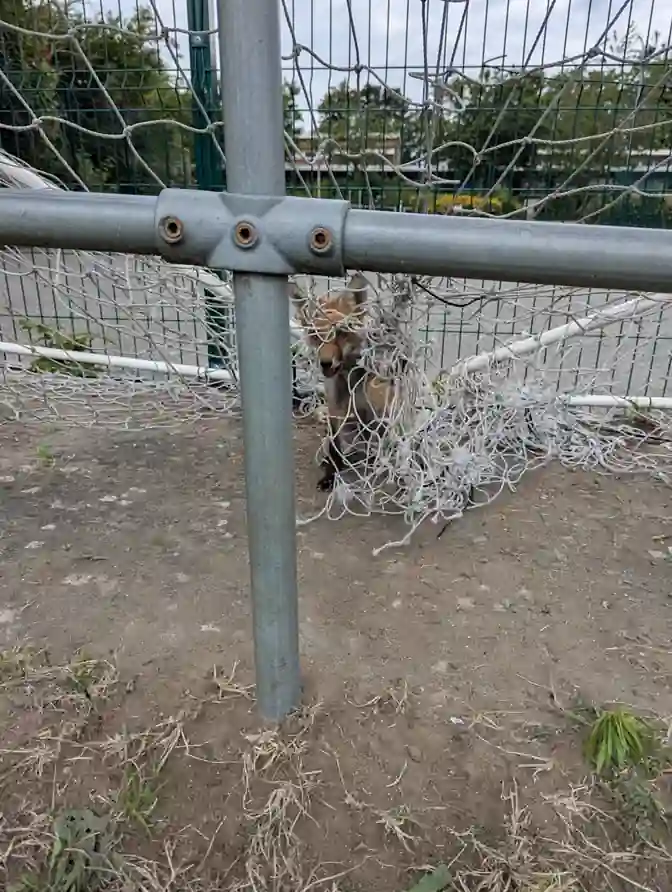
Once an animal becomes caught, it may struggle to escape. That movement can tighten the net around the neck, legs or body, increasing the risk of cuts, exhaustion, breathing problems and severe stress.
Deer Freed After Becoming Tangled in Suffolk Garden Net
One of the incidents behind the latest warning took place in Grundisburgh, Suffolk. RSPCA Animal Rescue Officers Joanna Thorpe and Emma Baker responded after receiving reports of a distressed deer trapped in football goal netting.
The mesh had wrapped around the animal’s neck, head and legs, leaving visible injuries around its head and developing antlers. Rescue officers carefully cut away the net before examining the deer and releasing it back into the wild.
Joanna Thorpe said the animal was fortunate to have been found quickly, noting that wild animals can suffer significant injuries or even die from prolonged entanglement and panic.
Young Fox Recovered After School Rescue
A second rescue happened at a school in north London, where a young fox became tightly wrapped in football goal netting.
RSPCA Animal Rescue Officer Nicola Thomas attended the incident on June 15 after school staff discovered the trapped animal. Although the fox was safely freed, the net had tightened around its neck, raising concerns about possible internal injuries.
The fox was taken to Essex Wildlife Hospital, where it received treatment before being released several days later.
According to Nicola Thomas, young foxes are naturally curious and often explore unfamiliar places, making them more likely to encounter hazards left in gardens or school grounds.
Why Garden Goal Nets Create Unexpected Risks
Unlike a fence or wall, football netting folds around anything that pushes into it. Deer can become caught by antlers or legs, while smaller animals may become wrapped around the neck or body before they realise they are trapped.
Many incidents happen overnight because wildlife is most active after dark. In low light, the fine mesh can be almost impossible for animals to detect.
The RSPCA says football nets are one of several common garden hazards. Fruit netting, loose string, plastic mesh and poorly secured pond covers can create similar risks for wildlife.
Simple Safety Checks After Every Game
The charity recommends making a quick inspection part of the end of every football session.
- Roll up or remove football nets after use.
- Store portable goals in a shed or garage where possible.
- Secure any loose mesh that cannot be removed.
- Check gardens for discarded string, fruit netting and other entanglement hazards.
- Encourage schools and local sports clubs to follow the same routine.
Simple precautions like these can help prevent unnecessary wildlife rescues while allowing gardens to remain safe places for both people and animals.
For more seasonal wildlife and public safety updates, see the latest consumer safety news.
Read More
What To Do If You Discover a Trapped Animal
If you come across wildlife caught in netting, approach carefully and avoid creating additional stress. Larger animals such as deer may panic if people move too close.
Where an animal appears injured, exhausted or tightly entangled, the safest option is to contact the RSPCA or a local wildlife rescue organisation rather than attempting a complex rescue without the right equipment.
Guidance on helping injured wildlife and reporting rescues is available through the RSPCA.
One Habit That Can Make a Difference
Putting football nets away may only take a minute, but it can prevent animals from becoming trapped during the night.
As more people enjoy football throughout the World Cup period, the RSPCA hopes this simple habit will help reduce avoidable wildlife injuries and keep gardens safer for local animals.

Make Swikblog your go-to source on Google for reliable updates, smart insights, and daily trends.