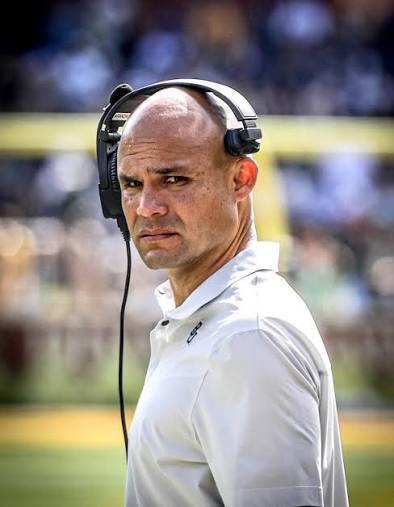

A peer-voted honor from the National Sports Media Association shines a spotlight on one of America’s most versatile play-by-play voices.
By Swikblog Desk • Jan 2, 2026
In a media world that rewards volume, velocity and viral moments, the most enduring compliment is still the simplest one: you can trust this voice. That’s the idea behind the National Sports Media Association’s annual top broadcasting honor, and this year it belongs to one of the most familiar narrators in American sports.
Sean McDonough, ESPN/ABC’s long-running play-by-play staple, has been named the NSMA’s 2025 National Sportscaster of the Year—a recognition that lands not because of a single call, but because of a career built on range, preparation, and the rare ability to sound at home in almost any sport.
McDonough’s résumé reads like a tour of American sports calendars: big Saturday college football stages, marquee college basketball games, postseason baseball memories, and the kind of primetime assignments usually reserved for broadcasters who have proved—again and again—that they can handle the moment without trying to become the moment.
Why this award matters
The NSMA honor is often described inside the industry as a “peer-and-performance” award: it’s not about one clip that went viral, but about the full season of work—weeks of research, travel, prep calls, production meetings, and the steady delivery that keeps a broadcast coherent when a game turns chaotic.
For viewers, that consistency can be easy to take for granted. But producers, analysts and athletes know how hard it is to do what McDonough does best: make complex moments sound simple, and make big moments sound big without sounding forced.
If you want a quick snapshot of the award’s significance, the NSMA’s own awards listing places McDonough alongside past winners who have shaped how Americans experience games. That’s the company he keeps now—another sign that a long career can still earn a fresh headline. (NSMA awards list)
A voice built on versatility
McDonough’s reputation inside sports television is built on a simple reality: he’s been asked to do a lot, and he’s done it well. ESPN’s own biography calls him “one of sports television’s most versatile broadcasters,” citing assignments across college football, college basketball, NHL coverage, golf and major-event broadcasts. (ESPN Press Room bio)
That versatility isn’t just a list of sports—it’s a set of instincts. College football demands tempo and emotional control; basketball requires rhythm and instant recognition; hockey is speed and spacing; golf is restraint. The trick is sounding like the same broadcaster in every setting while honoring what makes each sport feel different. McDonough has made that balancing act look routine.
It also helps that his style has never been about volume. When he elevates, there’s a reason. When he pauses, there’s trust that the picture will speak. And when the moment is chaotic—flags, reviews, injuries, momentum swings—he tends to bring the broadcast back to clarity.
The “surprise” factor—and a human moment
Awards can sometimes feel distant from the weekly grind. But this one arrived in a way that felt personal: reports around the announcement described McDonough learning of the honor during a busy broadcast stretch, with colleagues sharing the news in a setting tied to live work. The reaction, by multiple accounts, was emotional—less a victory lap and more a reminder that longevity still means something.
That human element is part of why the story spread quickly. Sports audiences are used to seeing broadcasters as fixtures—always there, always prepared. Moments that show what the job costs (and what recognition feels like when it finally lands) tend to resonate well beyond the media industry.
What fans remember: the sound of big games
Ask fans to describe a favorite game, and they’ll often quote the moment as if it were a line from a film. That’s not just the play itself— it’s the framing. It’s the voice that tells you, this matters.
McDonough’s best work has often come in high-pressure settings where broadcasts can tilt into overstatement. Instead, he tends to sharpen the moment: name the stakes, identify the pressure point, and then let the play breathe. The result is a call that ages well—something fans can replay years later without cringing at forced hype.
That approach also explains his staying power. Networks rotate voices, audiences change habits, and styles come and go. But when you’re the broadcaster who can deliver calm authority on a Saturday afternoon and still rise for the defining snap, you keep getting the call.
The bigger picture for sports media
Broadcasting is evolving fast: streaming presentation is different than traditional TV; alt-casts and influencer formats are multiplying; highlights now travel as short clips before a full broadcast is finished. In that environment, awards like NSMA’s serve as a counterweight. They spotlight craft—not just content.
McDonough’s win, then, reads as a vote for fundamentals: research, accuracy, timing, and a respect for the game that doesn’t require the broadcaster to be the star. For viewers, it’s also a reminder that the best voices don’t merely describe sports—they translate them, week after week, into something that feels shared.
And after decades at ESPN and ABC, that shared feeling—familiar, reliable, and still capable of surprise—is exactly what this award recognizes.
You may also like
North London Derby (Nov 23, 2025): Trending Storyline, Key Moments & What It Meant

Make Swikblog your go-to source on Google for reliable updates, smart insights, and daily trends.