
Updated: January 12, 2026
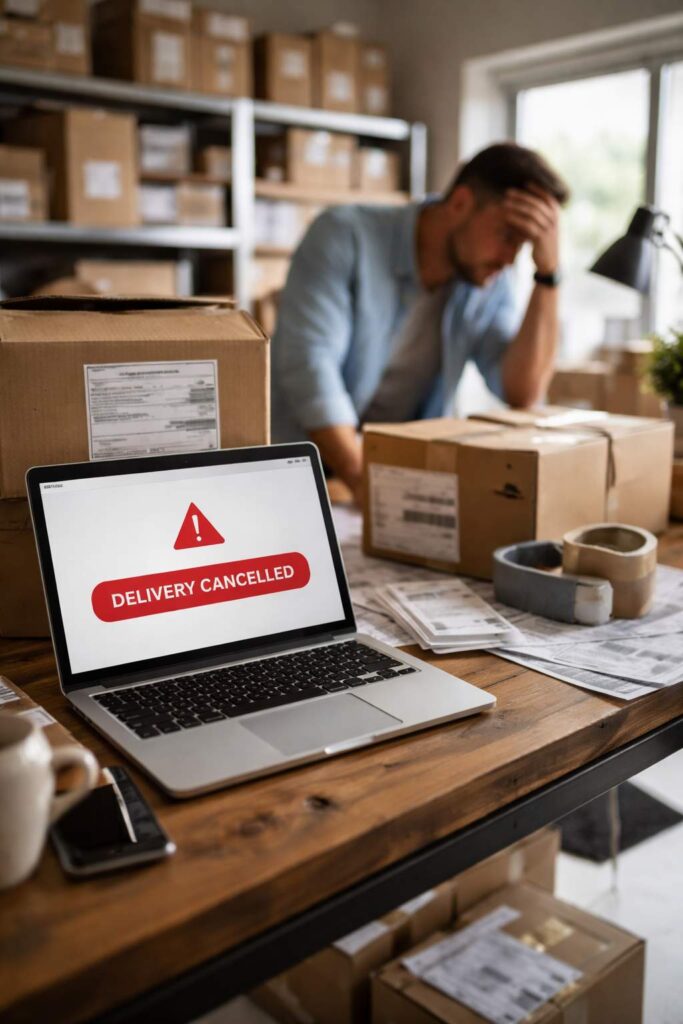
Delivery platform Sendle has abruptly stopped taking new parcel bookings, leaving many customers—especially small businesses—scrambling to work out what happens next. Customers were informed that bookings were halted “effective immediately,” with future pickups cancelled and in-transit parcels left to the discretion of delivery partners. Independent reporting has also noted a banner confirming the shutdown and support channels going quiet. For a straight news recap, see coverage from AAP and news.com.au.
What Sendle has said about your parcels
Based on customer emails described in multiple reports, the situation breaks down into three common scenarios:
- Bookings scheduled from January 12 onward: These are being cancelled, meaning you’ll likely need to rebook with another carrier.
- Parcels already picked up and in transit: Delivery may still happen, but it depends on the “delivery partner” handling that leg.
- Labels created but not collected: Many businesses are reporting they must reprint labels and re-send parcels via another provider.
So why did this happen?
Sendle was founded in Sydney in 2014 and positioned itself as a cheaper alternative to Australia Post, operating as a platform that connects merchants to third-party couriers rather than owning trucks or warehouses. It later expanded overseas and entered a major merger in 2025 with US logistics firms FirstMile and ACI Logistix to form a new group called FAST Group.
The shutdown has been linked to a funding freeze after alleged financial red flags surfaced post-merger. US freight publication FreightWaves reported that a major backer froze funding after uncovering “significant deficiencies” tied to ACI Logistix financials. The merger itself was publicly announced by FAST Group in 2025 in its press release. Australian business reporting has also described the merger fallout and funding concerns, including Business News Australia.
What to do right now (practical checklist)
If you’re a customer trying to protect deliveries, costs, and customer satisfaction, here’s a sensible next-step plan:
- Sort shipments into “in transit” vs “not collected”. Treat anything not collected as needing a new booking.
- Track every in-transit parcel. If tracking updates stop, contact the relevant courier partner that physically has the parcel.
- Rebook urgent orders immediately. If you sell online, consider notifying customers about possible delays and offer re-delivery options.
- Keep evidence for refunds/chargebacks. Save booking confirmations, labels, cancellation notices, and any tracking history.
- Update your checkout promises. Temporarily adjust shipping time estimates and free-shipping thresholds if your costs change.
Will parcels still arrive?
Some parcels may still be delivered if they were already with a delivery partner and moving through a courier network. The risk is highest for parcels that were booked but not collected, or those that lose tracking updates during handover points. If you’re a business, it may be safer to re-send high-value orders via another provider rather than waiting—especially if the order is time-sensitive.
What happens next
The biggest unanswered questions are what happens to customer support, refunds for unused labels, and whether any formal administration or restructuring process follows. In the meantime, competitors are already moving to absorb displaced merchants, and many businesses are returning to established carriers while they stabilise operations.
Tip for merchants: If you publish an update for customers, keep it simple: confirm delays, share the new courier option, and give a revised delivery window. Clear communication usually prevents chargebacks and negative reviews.

Make Swikblog your go-to source on Google for reliable updates, smart insights, and daily trends.