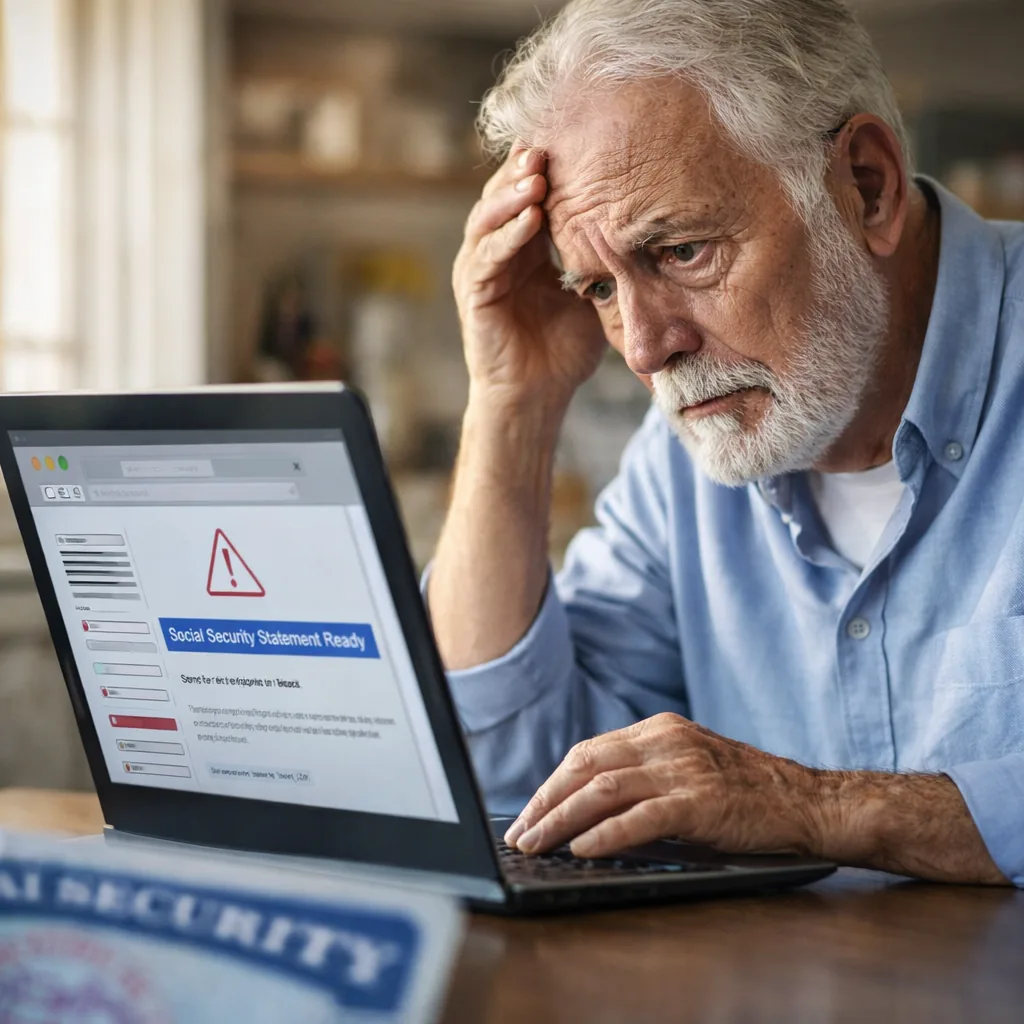

The Social Security Administration (SSA) has issued a serious nationwide warning after detecting a sharp surge in fraudulent emails impersonating the agency. The alert comes as scammers ramp up efforts in 2026, targeting retirees and Social Security beneficiaries with increasingly convincing messages designed to steal sensitive information.
Officials say these emails are not random spam—they are carefully crafted scams that look nearly identical to legitimate SSA communications. For millions of Americans who rely on Social Security benefits, the risk is growing fast.
Inside the Surge: How the Scam Is Spreading
According to the SSA’s Office of Inspector General, there has been a “significant increase” in impostor emails claiming to provide access to Social Security statements. These emails typically urge recipients to click a link or download an attachment to view their benefits.
But the message is fake.
Instead of leading to official SSA resources, these links redirect users to fraudulent websites or trigger malware downloads. In some cases, simply clicking can expose personal data or install harmful software on a device.
Authorities warn that once scammers gain access, they can steal Social Security numbers, banking details, login credentials, and other personal information—potentially leading to identity theft and financial loss.
Even more concerning, scammers are now using real employee names, official branding, and polished formatting to make emails appear authentic. This level of detail is making it harder for even cautious users to spot the fraud.
Why Retirees Are the Primary Target
Retirees are at the center of this surge. For many Americans, Social Security is a primary or only source of income, making any communication related to benefits feel urgent and important.
Scammers exploit this trust by creating emails that appear helpful or time-sensitive. Messages often suggest that a statement is ready, an account needs verification, or action is required to avoid delays in payments.
That urgency is intentional. Officials stress that creating pressure is one of the most common tactics used in scams. The goal is to push recipients into acting quickly—before they have time to question the message.
In reality, the SSA does not send unsolicited emails asking users to click links or download documents to access their statements.
More details and official reporting options are available on the SSA Office of Inspector General website.
Red Flags That Signal a Scam
The SSA has outlined several warning signs that can help individuals identify fraudulent emails before falling victim.
One of the most common is a message claiming your Social Security statement is ready to download. These emails usually include clickable links or attachments labeled as official documents.
Another major red flag is urgency. Messages that pressure you to act immediately or warn of consequences if you don’t respond should be treated with suspicion.
Sender details are also critical. Legitimate SSA emails will come from addresses ending in “.gov.” Anything else—even if it looks official—is likely fraudulent.
Scammers may also attempt to build trust by pretending to be from a reputable government agency, offering fake benefits, or claiming there is a problem with your account.
In some cases, victims are asked to provide personal details or even make payments using gift cards, wire transfers, or cryptocurrency—methods that are difficult to trace and recover.
If any of these signs appear, the safest assumption is that the email is a scam.
What You Should Do Immediately
If you receive one of these emails, do not click any links or download attachments under any circumstances. The safest step is to delete the message right away.
If you need to check your Social Security account, type the official website directly into your browser instead of using any link provided in an email.
Officials also encourage users to report suspicious emails to help track and stop these scams before they spread further.
If You’ve Already Clicked, Act Fast
If you have already clicked on a link or interacted with a suspicious email, immediate action is essential.
First, stop all communication with the sender. Then contact your bank or financial institutions to secure your accounts and prevent unauthorized transactions.
You should also report the incident to multiple authorities, including:
• SSA Office of Inspector General (oig.ssa.gov/report)
• FBI’s Internet Crime Complaint Center (ic3.gov)
• Federal Trade Commission (ftc.gov)
If any money has been lost, contacting local law enforcement can also help document the case and support recovery efforts.
Running a full security scan on your device is another important step, especially if you downloaded any attachments.
Growing Threat in 2026
The rise in these scams reflects a broader trend: cybercriminals are becoming more organized and more convincing. With access to better tools and real data, scammers are now able to replicate official communications with alarming accuracy.
For everyday users, that means traditional warning signs are no longer always obvious. Emails may look clean, professional, and legitimate—making awareness more important than ever.
As the volume of these attacks continues to rise in 2026, officials are urging Americans to stay cautious, verify all communications, and avoid clicking links in unsolicited emails—no matter how real they appear.
You may like: Claude AI outage 2026 login errors and chat failures explained

Make Swikblog your go-to source on Google for reliable updates, smart insights, and daily trends.