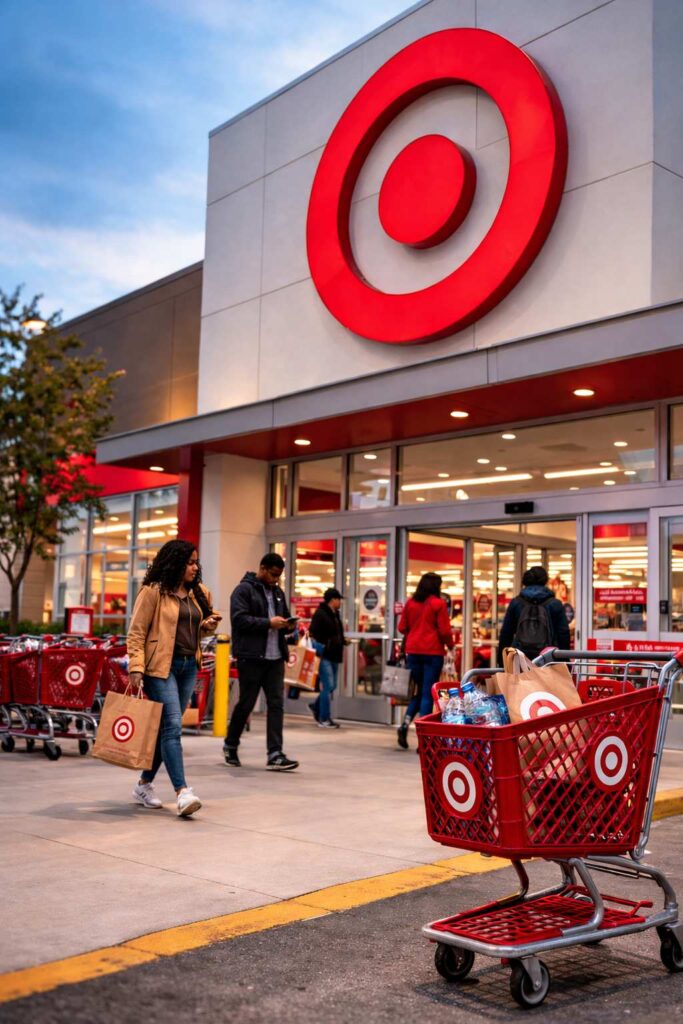

Target Corp. is entering a critical moment after leaders of a high-profile boycott announced the end of a yearlong protest tied to the retailer’s rollback of some diversity, equity and inclusion initiatives. For investors following Target (NYSE: TGT) and shoppers deciding where to spend, the conclusion of the boycott removes a major headline risk but leaves important questions about brand trust, sales recovery, and consumer loyalty heading into 2026.
The protest began in early 2025 after Target scaled back several diversity initiatives shortly after President Donald Trump returned to the White House. The move sparked backlash from activists and community leaders who argued the retailer had retreated from commitments made following the 2020 killing of George Floyd near the company’s Minneapolis headquarters.
Pastor Jamal Harrison Bryant of New Birth Missionary Baptist Church outside Atlanta launched what he called the “Target Fast,” initially a 40-day boycott during the Christian Lenten season. The campaign quickly expanded nationwide, with more than 300,000 shoppers signing a pledge to avoid the retailer. Protesters also organized regular demonstrations outside Target stores, including weekly pickets in Washington, D.C.
Boycott leaders declare victory
On March 11, boycott leaders including Bryant, civil rights activist Tamika Mallory, and former Ohio state senator Nina Turner announced they were ending their campaign after months of discussions with Target executives and CEO Michael Fiddelke.
They pointed to progress on several demands made during the boycott. One key demand was that Target follow through on its previously announced commitment to invest $2 billion in Black-owned businesses by expanding partnerships and increasing the number of Black-owned brands sold in stores. Activists said the retailer had made meaningful progress toward fulfilling that pledge.
Target also discussed plans for a pilot workforce development initiative with historically Black colleges and universities (HBCUs). According to boycott organizers, the program is expected to provide job readiness training and internship opportunities for students and could eventually expand to a dozen institutions.
However, not all demands were fully met. Bryant’s coalition also called on Target to deposit $250 million in Black-owned banks and to reverse the DEI policy changes that sparked the protest in the first place. Those requests remain unresolved.
Target itself said the $2 billion supplier commitment was not a new concession but the completion of an earlier pledge. The company maintained that none of its policies were reversed as a result of the discussions.
“Target is more committed than ever to creating growth and opportunity for all,” the company said in a statement, emphasizing its role as a retailer serving more than 2,000 communities across the United States.
Activists divided over the boycott’s end
Even as Bryant and several leaders declared the campaign finished, other activists rejected the decision and vowed to continue pressuring the retailer.
Nekima Levy Armstrong, founder of the Racial Justice Network, said the boycott should remain in place because Target had not reinstated its diversity programs or issued a public apology for what activists describe as harm caused to Black communities.
“How can you call off a boycott focused on diversity, equity and inclusion and have no results to show for it?” Armstrong said during a news conference outside Target’s Minneapolis headquarters.
Mallory also called on Target leadership to publicly acknowledge the damage she believes the company’s DEI rollback caused. According to activists, CEO Michael Fiddelke acknowledged the concerns during internal company discussions but has not issued a public apology.
That disagreement leaves the boycott movement fragmented. While Bryant’s campaign has ended, another coalition of activists says its boycott will continue into a second year.
How the controversy affected Target
The boycott became one of the most visible consumer protests in the retail sector during 2025. It emerged as part of a broader national push by civil rights leaders to use economic pressure against companies that rolled back diversity programs.
Target’s decision to scale back initiatives aimed at boosting representation of Black employees and increasing purchases from minority-owned suppliers put the retailer at the center of the debate.
The backlash also affected companies and organizations that had partnered with Target through those programs. Some Black-owned brands expressed disappointment with the changes, arguing the initiatives had created valuable opportunities for entrepreneurs and community groups.
Retail analysts say the boycott likely had some effect on consumer sentiment, but they caution that Target’s financial struggles were already developing before the controversy began.
“Target’s sales were slumping long before the DEI situation,” GlobalData managing director Neil Saunders said, according to reporting from Axios. Saunders added that most shoppers do not actively participate in boycotts even if they sympathize with the cause.
Consumer spending power in focus
The boycott also highlighted the growing influence of consumer activism in corporate America. Advocates pointed to estimates showing Black Americans wield roughly $2 trillion in annual buying power, a figure activists say gives communities significant leverage over major brands.
“Our dollars have influence and we have choices,” Mallory said during the announcement of the boycott’s conclusion.
That sentiment reflects a broader trend in which shoppers increasingly use spending decisions to express political or social views. Companies across industries have found themselves navigating competing pressures from different groups of consumers.
What investors and shoppers should watch
For Target, the end of the boycott may provide an opportunity to reset its reputation under CEO Michael Fiddelke, who has met with activists and emphasized listening to stakeholders across communities.
Still, the retailer faces a complex recovery process. A yearlong protest may have encouraged some customers to develop new shopping habits at competitors such as Walmart, Amazon, and warehouse chains.
Retail analysts note that once consumers change where they shop, those habits can be difficult to reverse. Bryant himself acknowledged that some households may not return quickly.
“A lot of people have figured out how to do life without them,” he said.
As the controversy fades from headlines, investors will be watching whether store traffic and sales trends begin to improve during 2026. Target’s ability to rebuild trust with customers while maintaining competitive pricing and merchandise strategy will likely determine whether the boycott’s end becomes a meaningful turning point or simply a symbolic moment in a longer recovery story.
For now, the boycott’s conclusion closes one chapter in a complex debate about corporate responsibility, consumer activism, and the role major retailers play in the communities they serve.

Make Swikblog your go-to source on Google for reliable updates, smart insights, and daily trends.