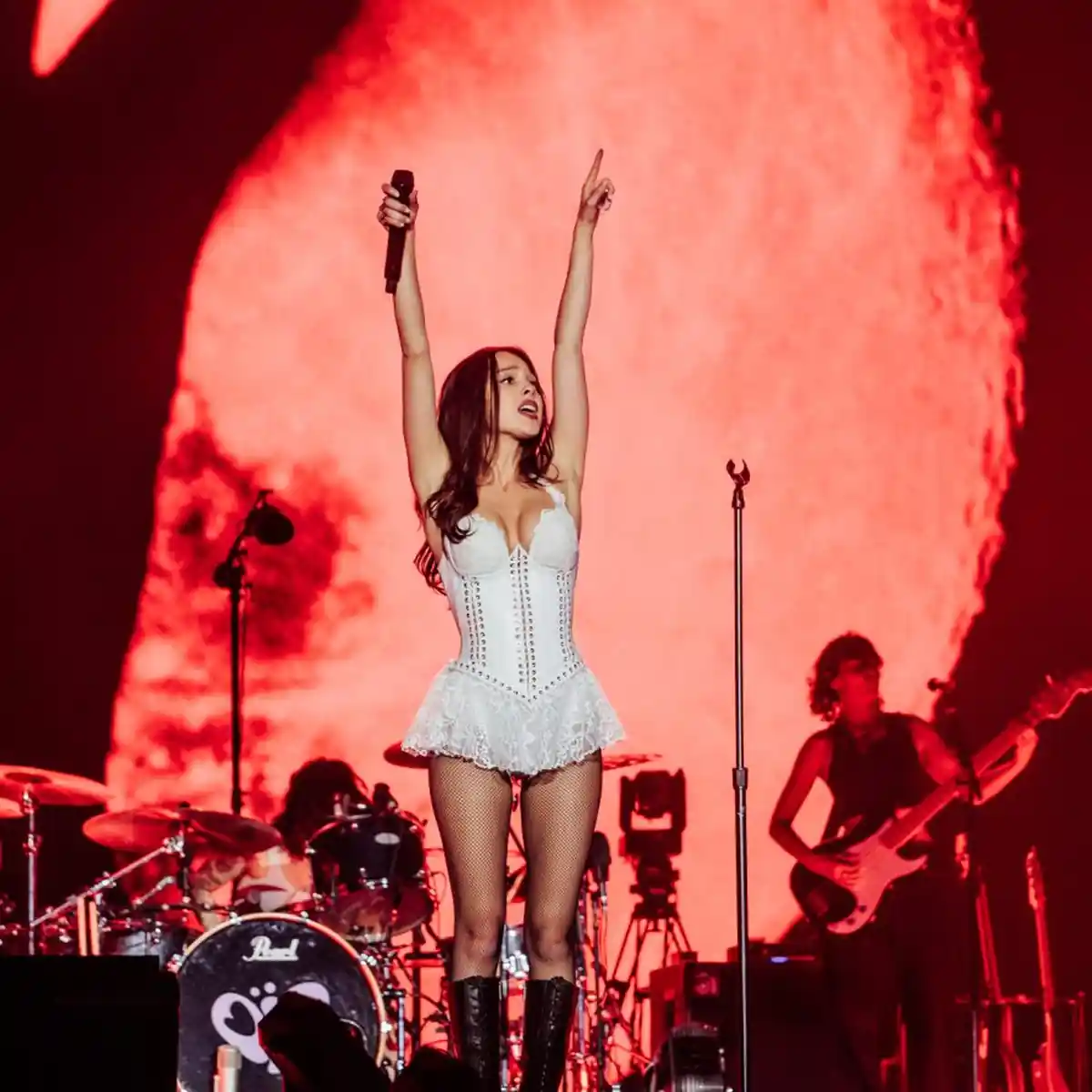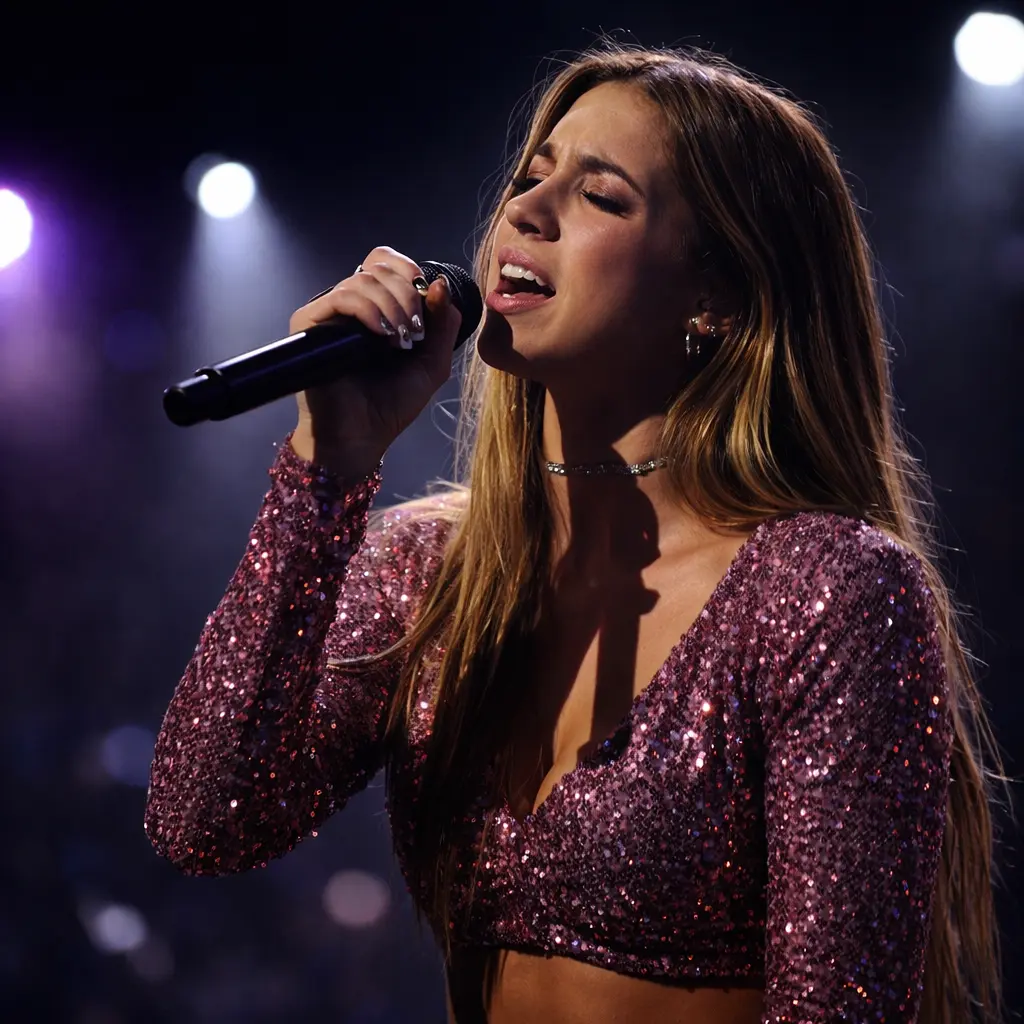

Tate McRae was the biggest name at the 2026 Juno Awards without ever stepping onto the stage. The Calgary-born singer-songwriter earned four of the ceremony’s top honours, including Artist of the Year, Single of the Year for Sports Car, Album of the Year for So Close To What, and Pop Album of the Year. The clean sweep reinforced her position as one of Canada’s most successful music exports despite her absence from the event in Hamilton, Ontario.
McRae did not attend the awards ceremony and did not deliver a recorded acceptance speech. Her absence quickly became one of the night’s biggest discussion points, especially as fellow global stars Justin Bieber and The Weeknd were also missing from the celebration.
While several internationally known artists were away, the ceremony still celebrated achievements across Canadian music and highlighted a new generation of performers making an impact at home and abroad.
Four major wins cap another remarkable year
McRae’s latest album, So Close To What, has continued to build momentum through strong streaming numbers, sold-out performances and positive critical reception. Winning artist, album and single honours in the same year is an uncommon achievement and reflects both commercial success and recognition from the Canadian music industry.
The Calgary native has steadily evolved from a viral performer into one of pop music’s fastest-growing global names. Her latest Juno victories further strengthen that reputation while reaffirming her place among Canada’s leading artists.
The awards followed public discussion earlier this year after McRae appeared in an NBC Olympics campaign promoting Team USA. Some fans questioned the partnership, but McRae later responded by sharing a childhood photo holding a Canadian flag with the caption, “…y’all know I’m Canada down.” The Juno results ultimately shifted attention back to her music and accomplishments.
Her continued international growth reflects the expanding reach of Canadian performers, much like the global attention surrounding the Harvest Rock 2026 festival lineup, where internationally recognised artists continue to draw large audiences.
Other artists shared the spotlight
Country singer Cameron Whitcomb received Country Album of the Year for The Hard Way, while Grammy-winning R&B artist Daniel Caesar earned Songwriter of the Year. Producer Cirkut was named Producer of the Year, and songwriter Tobias Jesso Jr. also collected honours during the ceremony.
Several of those winners, including McRae, were not present to accept their awards in person, reflecting how many Canadian artists now spend much of the year touring or recording internationally.
Toronto rapper SadBoi won Rap Album/EP of the Year for Dry Cry and spoke about the importance of maintaining Canadian identity while building an international career. Her comments highlighted a challenge many emerging musicians continue to face.
The award for Rap Single of the Year went to Tobi, Saukrates and Jully Black for Who’s Driving You?. During the acceptance speech, Jully Black encouraged stronger long-term support and investment in Canada’s music industry.
Toronto rock band The Beaches won Rock Album of the Year for No Hard Feelings. Unlike many of the night’s biggest winners, the group attended the ceremony and described the Junos as an important celebration of Canadian artists.
The event also introduced Latin Recording of the Year for the first time, with Alex Cuba becoming the inaugural recipient. The addition reflects the increasing diversity of Canada’s contemporary music landscape.
The Junos continue to evolve in a global music industry
The 2026 ceremony highlighted how Canada’s largest music stars now work on an international scale. While artists like Tate McRae, Justin Bieber and The Weeknd remain closely associated with Canada, demanding touring schedules and overseas commitments often limit their appearances at domestic award shows.
Even so, the Junos remain one of the country’s most important industry events, offering recognition that can help emerging musicians gain wider exposure while celebrating established performers whose careers began in Canada.
Read More:
- Love Island USA Season 8 winners Trinity and Bryce crowned in the finale
- Harvest Rock takes a break in 2026 as Adelaide festival plans its return
- Visit the Swikblog homepage for more latest news
The year’s entertainment headlines have also shown how Canadian stories continue to resonate internationally, from major music announcements to trending pop culture moments like the Love Island USA Season 8 winners, which generated widespread online conversation.
The televised broadcast is expected to feature additional honours, including Fan Choice and Group of the Year, along with a lifetime achievement tribute for Joni Mitchell and the induction of Nelly Furtado into the Canadian Music Hall of Fame.
Fans looking for the complete list of winners and categories can visit the official Juno Awards website. Regardless of who appeared on stage, the defining story of the 2026 ceremony was Tate McRae’s dominant four-award performance, proving that her influence extended well beyond a physical appearance.

Make Swikblog your go-to source on Google for reliable updates, smart insights, and daily trends.