
Air travel across the United States is still feeling the effects of the recent Department of Homeland Security (DHS) funding dispute, even after Transportation Security Administration (TSA) employees began receiving back pay. While the immediate financial crisis for officers has eased, staffing shortages created during the shutdown continue to affect airport operations, with some travelers still experiencing longer security lines and occasional delays.
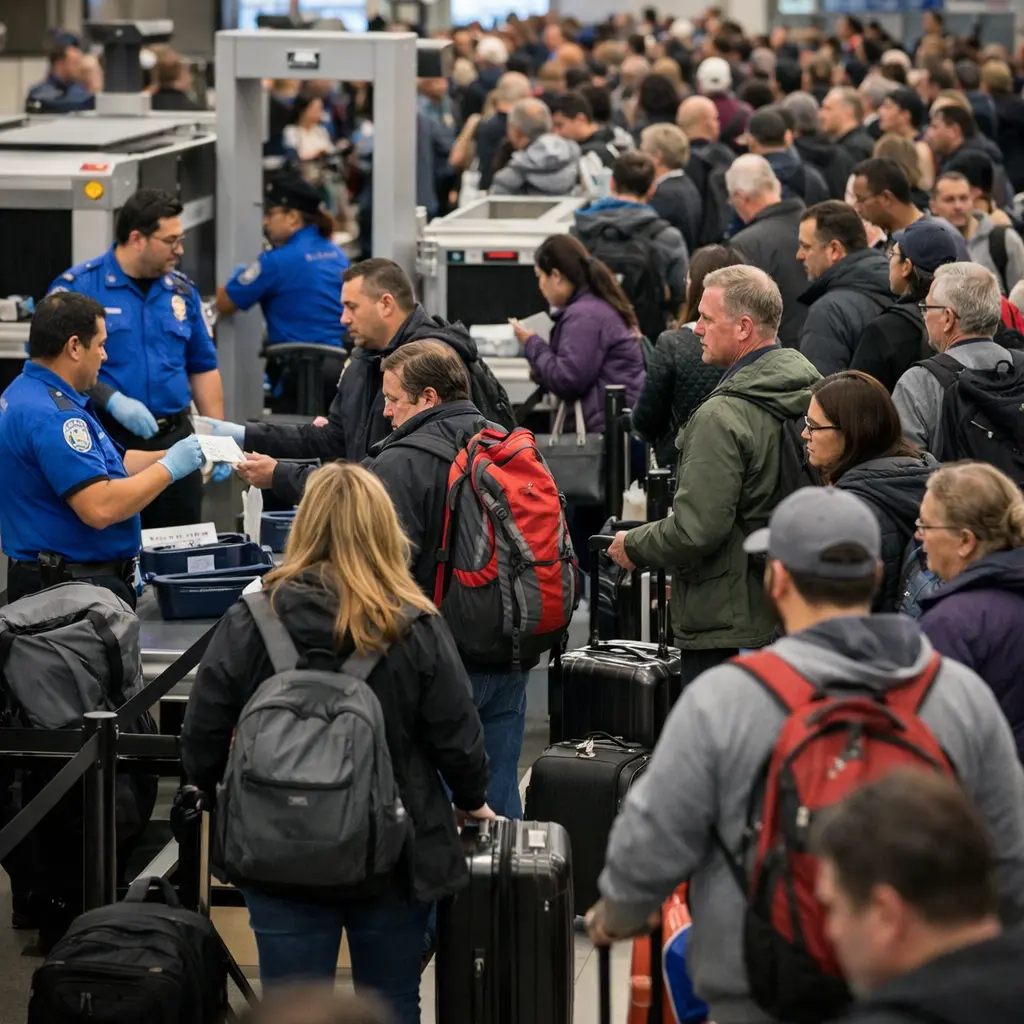
The disruption began when a partial DHS funding lapse required nearly 50,000 TSA officers—classified as essential federal employees—to continue working without pay. As the shutdown stretched on, absentee rates increased, experienced staff resigned, and security checkpoints at several of the country’s busiest airports struggled to keep pace with passenger demand.
Staffing shortages continue to impact airport operations
During the peak of the shutdown, airports including Houston Bush Intercontinental, Baltimore/Washington International, Newark Liberty, and New York’s JFK Airport reported unusually long security lines. Some passengers waited several hours to clear screening, while others missed scheduled departures despite arriving well before their flights.
Conditions have improved since the federal government restored pay for TSA employees, but officials say rebuilding staffing levels will take time. Airports that lost experienced officers cannot replace them overnight, and new recruits must complete months of training before working independently at security checkpoints.
The challenge comes as airports prepare for another busy travel period. International travelers should also be aware of changes beyond the United States, including the EU Entry/Exit System and its expected impact on airport processing times, which could increase waiting times at many European airports once fully implemented.
TSA workforce still recovering after funding dispute
According to government officials, more than 1,000 TSA employees left the agency during the funding disruption. Although officers have since received retroactive pay, replacing experienced screeners remains a lengthy process because new TSA personnel typically require four to six months of training.
The loss of trained officers has created staffing gaps that continue to affect checkpoint operations at some airports, particularly during peak travel periods. TSA says it continues hiring new employees while adjusting staffing schedules to reduce passenger wait times.
Industry analysts note that airport security is one of the most critical links in the aviation system. Delays at screening checkpoints can quickly affect boarding times, aircraft departures, connecting flights and airline schedules throughout the day.
Airlines remain cautious as travel demand grows
Major U.S. airlines have warned that prolonged staffing shortages at airport security checkpoints can increase operational costs and create scheduling challenges across their networks. Even relatively short delays during passenger screening may force airlines to hold departures or rebook travelers who miss connections.
The situation also comes as carriers continue managing higher fuel costs and strong seasonal demand. Airlines are preparing for one of the busiest travel periods of the year, with millions of passengers expected to fly throughout the summer and into major international events scheduled over the coming months.
Travelers heading overseas should also stay informed about the latest ETIAS implementation timeline for Europe, as new entry requirements will eventually apply to visitors from visa-exempt countries.
Read More:
- Love Island USA Season 8 winners Trinity and Bryce crowned in the finale
- Harvest Rock takes a break in 2026 as Adelaide festival plans its return
- Visit the Swikblog homepage for more latest news
What travelers should do before flying
Although security operations have improved compared with the height of the shutdown, TSA continues to recommend arriving at airports earlier than normal, especially when flying from large domestic or international hubs.
Passengers should confirm their flight status before leaving home, monitor airline notifications throughout the day, and allow additional time for baggage drop-off and security screening. Travelers using TSA PreCheck may still experience shorter waits, but processing times can vary depending on staffing levels and passenger volumes.
The latest travel advisories, security guidance and airport information are available through the official TSA travel website.
While the government’s funding dispute has ended and TSA employees are once again being paid, the agency continues working to rebuild its workforce. Until staffing levels fully recover, travelers should expect that security wait times may remain less predictable at some airports during periods of heavy demand.

Make Swikblog your go-to source on Google for reliable updates, smart insights, and daily trends.