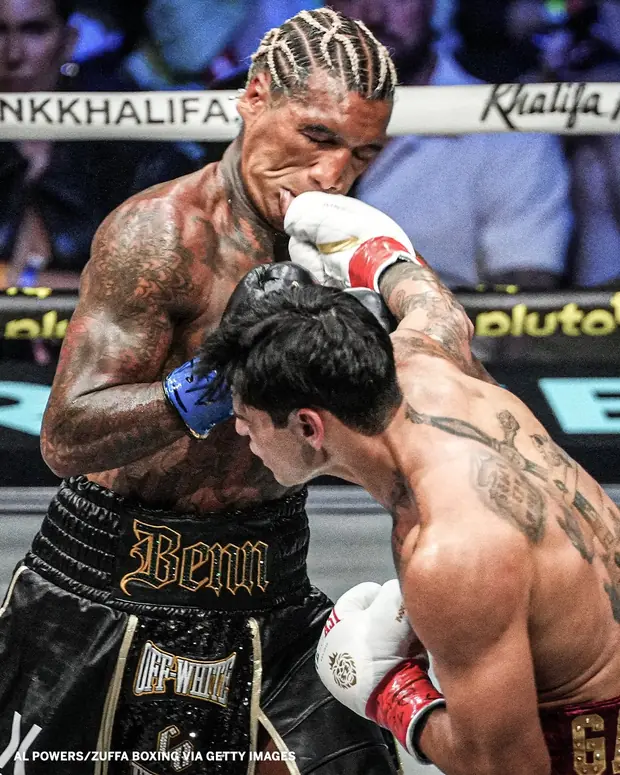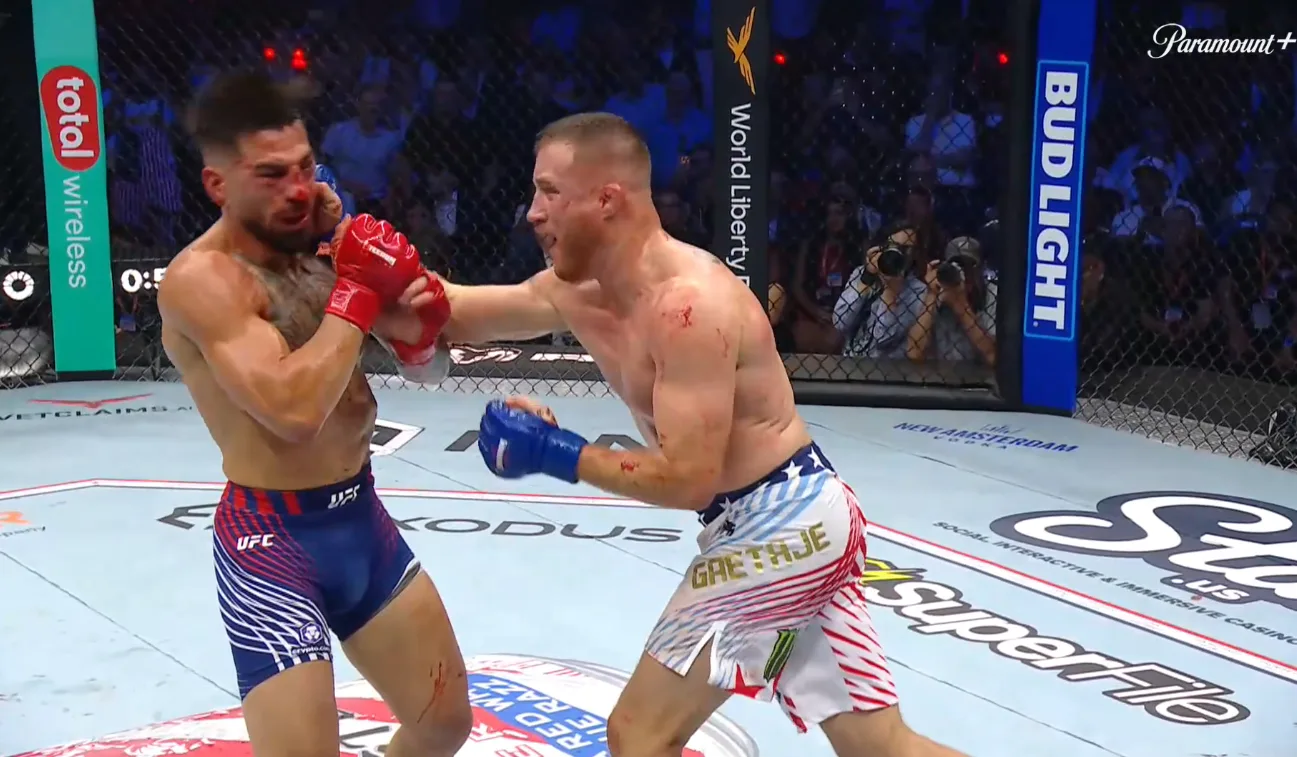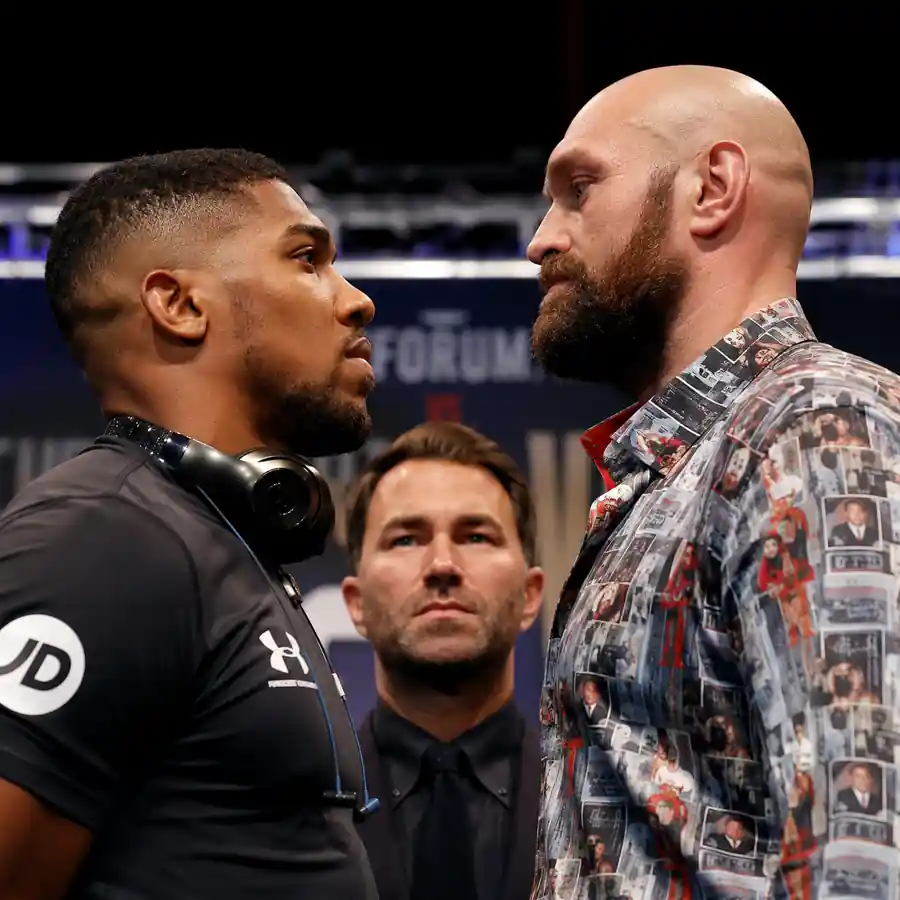
The numbers are perfect. The résumé is rare. And now, “Bud” is stepping away while the sport is still trying to catch up to what it just witnessed.
Terence “Bud” Crawford is done with boxing — not because the game pushed him out, but because he decided it was time. In a message shared this week, the unbeaten champion framed it in the simplest way possible: he’s “walking away as a great with nothing else left to prove.” For fans, that line hits like a clean counter you didn’t see coming — the kind of ending that feels both satisfying and slightly unreal.
Crawford leaves with the kind of record that usually belongs to old posters and barbershop myths: 42–0, with 31 knockouts. He exits as a fighter who didn’t just collect belts — he collected eras. And he did it without the usual noise. No prolonged farewell tour. No manufactured beef to sell one last payday. Just a decision, delivered with the same calm control he showed in the ring.
If you’re trying to explain why this retirement feels different, start here: Crawford wasn’t simply “great.” He was complete. He could switch stances mid-exchange like changing gears on an empty highway. He could solve styles in real time. Southpaw, orthodox, pressure, counterpunching — whatever you brought, he brought something back that was sharper. For a generation raised on highlight reels and hot takes, Crawford was old-school in the best way: he kept proving it between the ropes.
The final snapshot matters, too. Crawford’s last major chapter came in September 2025, when he beat Canelo Álvarez by unanimous decision to become undisputed at super middleweight — a leap that sounded like madness until it looked like math. The result instantly became part of boxing’s modern mythology, and it’s one reason this exit feels so definitive. Major outlets including Reuters and ESPN have pointed to that late-career peak as the moment that sealed his legacy.
Beyond the headline record, Crawford’s career is a checklist of modern boxing’s hardest achievements. He started as a pro in 2008, fought his way from Omaha to the sport’s center stage, and stacked championships across divisions. In the four-belt era, undisputed is already rare. Doing it more than once is rarer. Doing it across multiple weight classes is almost unheard of — and that’s where Crawford’s name starts to sound less like a current champion and more like a historical marker.
Fans will argue about the “signature” win — and that’s part of the fun now. Some will point to the nights he dismantled elite opponents with a cold, surgical rhythm. Others will point to the moments he flipped a fight with one adjustment: a new angle, a new timing cue, a trap set three rounds earlier. But whether you followed every undercard or only tuned in for the mega-events, you felt it: Crawford didn’t just win. He controlled.
There’s also something refreshing — almost radical — about a superstar leaving on his own terms. In boxing, retirements often come with an asterisk: a comeback tease, a “one more” payday, a social-media wink. Crawford’s message didn’t read like marketing. It read like closure. He thanked the people who carried the journey — trainers, supporters, the teams behind the scenes — and turned the page.
What happens next is the question fans will sit with. Without Crawford, boxing loses a pound-for-pound reference point — the fighter you could use to measure everybody else’s claims. It also loses a rare kind of star: the one who didn’t need chaos to be compelling. He made the sport look clean. He made elite opponents look ordinary. And he made greatness look quiet.
In the end, maybe this is the most Crawford thing of all: no melodrama, no desperation, no decline. Just a champion choosing the one thing boxing rarely allows — a perfect exit.
You may also like (Sports): North London Derby buzz: what trended and why it mattered

Make Swikblog your go-to source on Google for reliable updates, smart insights, and daily trends.