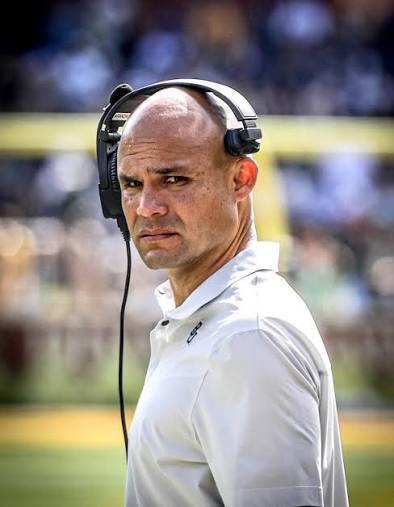
Tre Ford is officially looking for a new CFL home after the Edmonton Elks released the Canadian quarterback, ending one of the league’s most closely watched quarterback situations ahead of the 2026 season.
The move is not just another offseason transaction. Ford has been one of the CFL’s most exciting homegrown quarterbacks, known for his speed, creativity and ability to make something happen when a play breaks down. For many Edmonton fans, he represented both hope and uncertainty — a player with real upside who never fully received a long, settled run as the team’s unquestioned starter.
Canada CFL Edmonton Elks
Edmonton confirmed the decision after choosing veteran Cody Fajardo as its starting quarterback for the upcoming campaign. The club’s official transaction can be read on the Edmonton Elks website.
Edmonton Backs Experience at Quarterback
The Elks’ decision shows where the franchise wants to go in 2026. Instead of carrying a quarterback battle deep into camp, Edmonton is choosing a clearer path with Fajardo leading the offence.
That approach makes sense from a stability point of view. Fajardo brings CFL experience, leadership and a proven understanding of how to manage tough games. For a team trying to reset its identity, that kind of certainty can be valuable.
At the same time, moving on from Ford is still a difficult call. He gave Edmonton a different kind of threat under centre, especially with his ability to extend plays and put pressure on defences with his legs.
Why it matters: This is more than a quarterback change. Edmonton is choosing immediate stability over the longer-term upside Ford still appears to offer.
In the CFL, quarterback decisions often shape the direction of an entire season.
Tre Ford Still Has Real Value
Ford’s release does not mean his CFL future is in doubt. In fact, his availability could make the quarterback market much more interesting.
Mobile quarterbacks can change the rhythm of a game, and Ford has shown he can do that. His speed, athleticism and ability to create explosive plays make him a strong option for teams looking to add competition or a different style of offence.
The main question has always been consistency. Ford has had impressive moments, but injuries, coaching changes and shifting team plans made it difficult for him to fully settle into one role for a long stretch.
Other CFL Teams May Take a Look
Several teams could now consider whether Ford fits their plans. Some may see him as a player who can compete for a starting job. Others may view him as a high-upside backup or a quarterback who can be used in special packages.
That flexibility is part of what makes him interesting. Ford is not a standard pocket passer, and that could be attractive to coaches who want to make defences adjust.
What happens next? Ford’s next move will likely depend on whether a team offers him a real chance to compete or asks him to develop behind an established starter.
With training camp approaching, quarterback rooms across the CFL could still change quickly.
A Tough Moment for Elks Fans
For many supporters, Ford was easy to root for. As a Canadian quarterback with big-play ability, he brought excitement and a sense of possibility to a franchise still trying to find its way back.
That is why this decision may be hard for some fans to accept. Edmonton is betting that Fajardo gives the team a better chance to be steady and competitive right away.
Whether that decision works will become one of the biggest storylines around the Elks in 2026.
The CFL Quarterback Market Gets More Interesting
Ford’s release could create movement across the league. Teams looking for depth, competition or a more dynamic option now have another name to consider.
For Edmonton, the direction is now clear: Fajardo is the quarterback the team plans to build around this season. For Ford, the next opportunity may be the most important one of his career.
You may like:
Global Markets Today: Early US Trade Update — Catch more trending news and breaking stories.

Make Swikblog your go-to source on Google for reliable updates, smart insights, and daily trends.