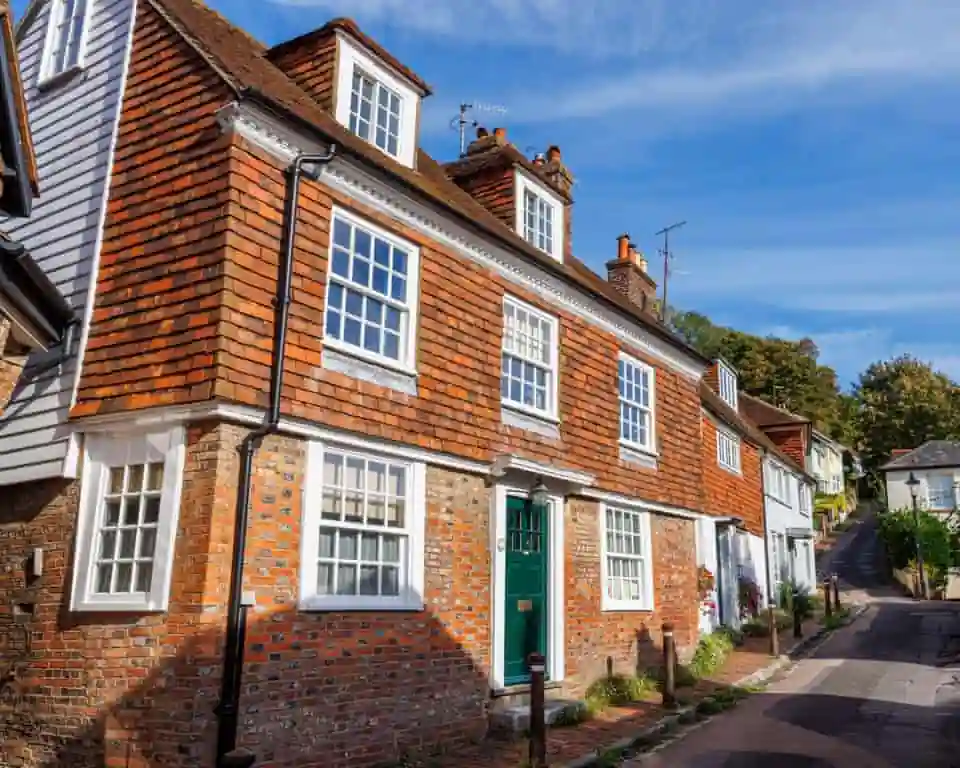

UK house prices slipped in May, marking the first monthly fall of 2026 and signalling that higher mortgage rates are starting to cool buyer demand after months of resilience in the property market.
The average UK home price fell 0.6% from April to £278,024, according to Nationwide figures reported by The Guardian. On an annual basis, prices were still 1.7% higher, but that was a sharp slowdown from 3% growth recorded in April.
The numbers suggest the market is no longer moving with the same confidence seen earlier this year. Spring is usually a stronger period for housing activity, but rising mortgage costs have made buyers more selective and reduced the amount many households can borrow.
Higher mortgage rates hit affordability
Mortgage pricing has moved higher across the market in recent months. Moneyfacts data cited in the report showed the average two-year fixed mortgage rate at 5.68% by the end of May, while the average five-year fixed deal stood at 5.63%.
For buyers, that shift matters more than the headline house price. A higher mortgage rate can quickly increase monthly repayments, forcing some households to lower their budgets or delay purchases altogether. It also affects homeowners who are preparing to remortgage after deals agreed during a cheaper borrowing period.
Nationwide chief economist Robert Gardner said some loss of momentum was expected as uncertainty from the Middle East conflict pushed energy prices and market interest rates higher. Fixed-rate mortgage pricing is closely linked to swap rates, so when financial markets become more cautious, lenders often pass that pressure on to borrowers.
The latest move follows earlier pressure from major UK lenders. It was previously reported that the major four banks of UK- HSBC, Barclays, Nationwide and Halifax raised mortgage costs as sub-4%, adding pressure on first-time buyers and households looking to refinance.
Forecasts turn more cautious
The weaker Nationwide data has also shifted expectations for the rest of the year. Savills now expects average UK house prices to fall 2% in 2026, reversing its earlier forecast for a 2% rise. That change shows how quickly the outlook has moved as borrowing costs have risen.
Knight Frank’s Tom Bill warned that the market is slowing at a point in the year when activity would normally be building. His view is that there may not be a sudden cliff-edge drop, but higher borrowing costs could steadily eat into spending power and put pressure on prices as older, cheaper mortgage deals expire.
There are still reasons to avoid reading the May fall as a housing-market crash. Gardner noted that swap rates remain below the peaks seen in 2023 and are broadly close to 2024 levels. If the current shock fades, energy prices normalise and financial markets settle, the slowdown could prove temporary.
Read More
However, affordability remains the biggest risk. Martin Beck, chief economist at WPI Strategy, said mortgage repayments still take up a historically large share of household incomes. He also warned that a weaker labour market would be a bigger threat to house prices than interest rates alone.
The Bank of England has so far avoided rushing into another rate rise. Governor Andrew Bailey recently said policymakers were not in a hurry to raise rates while uncertainty around the Iran conflict remained high and UK economic growth stayed weak. The Bank’s Monetary Policy Committee last kept the base rate unchanged at 3.75%.
For buyers and sellers, the message is clear: the UK housing market has not collapsed, but it has become more sensitive to mortgage rates, wage growth and confidence. The May decline shows that even modest changes in borrowing costs can quickly change the mood of the property market.

Make Swikblog your go-to source on Google for reliable updates, smart insights, and daily trends.