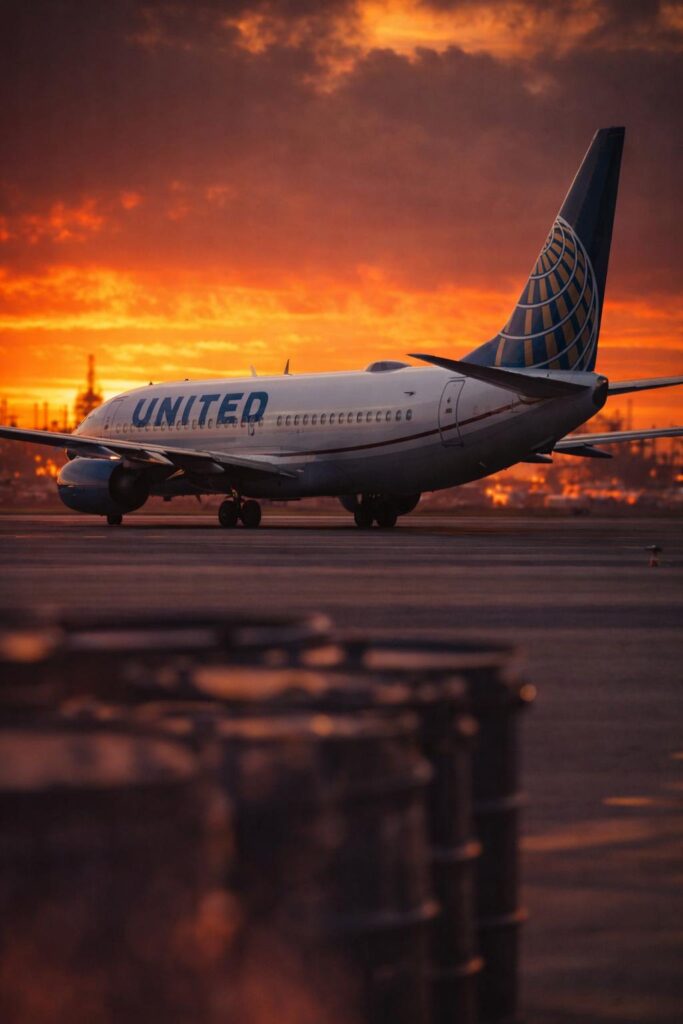

United Airlines Holdings Inc. (NASDAQ: UAL) stock surged 5.89% today to around $95, as easing oil prices triggered a rally across airline stocks. The move comes after a volatile period driven by geopolitical tensions and a sharp rise in jet fuel costs linked to the ongoing Iran conflict. While the short-term sentiment has improved, deeper risks around fuel prices and operational adjustments continue to shape the outlook for United Airlines.
The rally in UAL reflects a broader rebound in airline stocks as investors reacted to signs of cooling oil prices. Since fuel is one of the largest cost components for airlines, any relief on that front tends to immediately boost investor confidence. However, the underlying story for United Airlines is far more complex than a simple relief rally.
Oil volatility drives airline stock momentum
Airline stocks have been under pressure in recent weeks due to a sharp spike in jet fuel prices. The Iran conflict triggered a supply shock, with fuel prices nearly doubling since late February. This surge significantly increased operating costs across the airline industry, forcing companies to rethink capacity, routes, and profitability strategies.
Despite this, recent easing in oil prices has helped lift sentiment, pushing stocks like United Airlines higher. Investors are betting that if fuel stabilizes, airlines can maintain profitability thanks to strong travel demand and pricing power.
United Airlines cuts flights to manage rising costs
Even as the stock rises, United Airlines has already taken defensive measures. The company announced plans to cut additional unprofitable flights over the next two quarters as it prepares for a prolonged period of elevated fuel costs.
According to CEO Scott Kirby, United is bracing for a worst-case scenario where oil could climb as high as $175 per barrel and remain above $100 through 2027. At those levels, the airline’s annual fuel expenses could rise by approximately $11 billion—more than double the profit generated in its best year.
To manage this risk, United is reducing off-peak flying by roughly three percentage points in the second and third quarters. The airline is also trimming capacity at its Chicago O’Hare hub by about one percentage point and continuing to suspend flights to destinations such as Tel Aviv and Dubai. Overall, these changes represent a total capacity reduction of around five percentage points for the year.
The strategy reflects a shift toward profitability over expansion, with the company choosing to avoid operating flights that may not generate sufficient returns in a high-cost environment.
Strong demand provides a key cushion
One of the most important factors supporting United Airlines stock is resilient travel demand. Despite rising ticket prices, passengers continue to book flights, allowing airlines to pass on some of the increased fuel costs.
This strong demand environment has helped stabilize revenue per available seat mile (RASM), which remains a critical metric for airline profitability. Analysts believe that demand trends could partially offset the impact of higher fuel costs, especially in premium and international segments.
As highlighted in coverage from Investor’s Business Daily, airline stocks have been reacting sharply to changes in oil prices and travel demand, reinforcing how closely tied the sector is to macroeconomic conditions.
Analysts lower price targets but maintain bullish outlook
Wall Street sentiment on United Airlines remains cautiously optimistic. UBS recently lowered its price target on UAL to $134 from $147 while maintaining a Buy rating. Similarly, Wells Fargo reduced its price target to $130 from $145 but kept an Overweight rating.
These adjustments reflect concerns around fuel price volatility and potential pressure on earnings. However, both firms continue to see significant upside potential from current levels, suggesting that the long-term investment case remains intact.
Analysts expect airline companies to provide early updates indicating that first-quarter results may land near the midpoint of previous guidance. While this suggests stability, there is also a growing possibility of guidance cuts if fuel prices remain elevated.
Balancing growth, costs, and uncertainty
United Airlines is currently navigating a delicate balance between maintaining growth and managing costs. The decision to cut flights highlights the pressure from rising fuel expenses, but it also demonstrates a disciplined approach to protecting margins.
At the same time, the company continues to benefit from strong travel demand, which has allowed airlines across the industry to raise fares. This pricing power has been crucial in offsetting some of the cost increases, but it may not be sustainable if economic conditions weaken.
A report from The Wall Street Journal also points to broader changes in airline economics, showing how carriers are adapting to shifting cost structures and evolving passenger preferences.
What comes next for UAL stock
Looking ahead, the direction of United Airlines stock will largely depend on three key factors: oil prices, demand trends, and management guidance. If oil continues to ease and travel demand remains strong, UAL could extend its rally and move closer to analyst price targets.
However, if fuel prices rise again or geopolitical tensions escalate, the stock could face renewed pressure. Airline stocks are highly sensitive to external factors, making them both attractive and risky for investors.
For now, United Airlines’ 5.89% surge to $95 highlights a market that is willing to reward short-term improvements while still keeping a close eye on long-term risks. The stock remains a compelling but volatile play in a sector where macro trends can quickly shift the narrative.
You may also like: Air Canada Stock (AC.TO) Jumps 4% Today After Crash, Leadership Shakeup

Make Swikblog your go-to source on Google for reliable updates, smart insights, and daily trends.