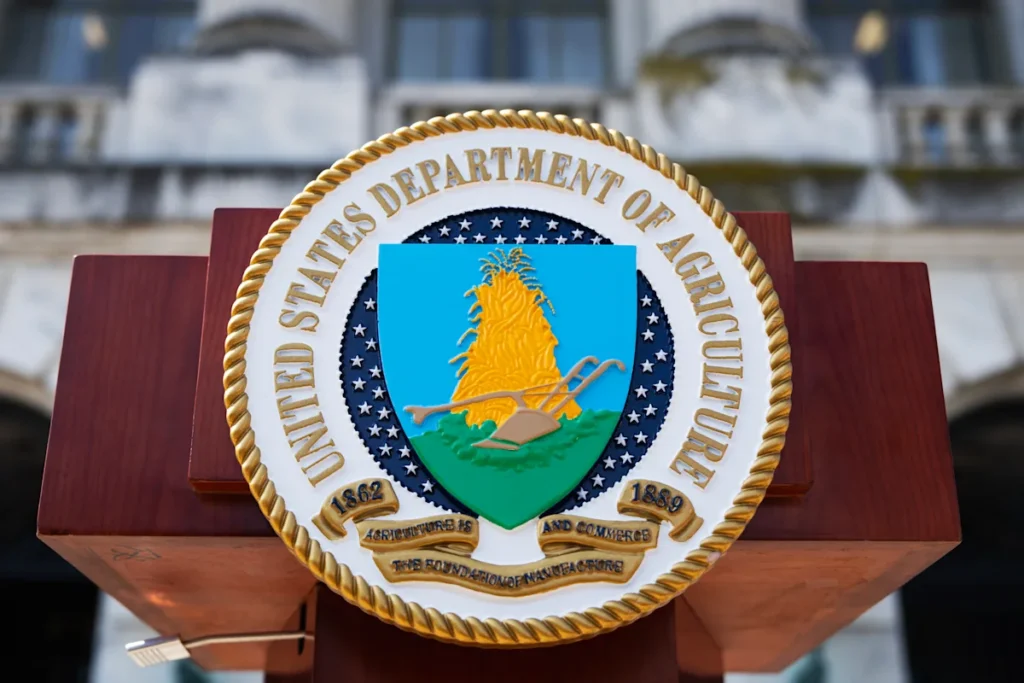

The U.S. Department of Agriculture (USDA) says approximately 700,000 people have been removed from Supplemental Nutrition Assistance Program (SNAP) rolls since February 2025, putting food stamp fraud back at the center of a national debate over government benefits, taxpayer spending and program oversight.
The announcement comes as the Trump administration intensifies efforts to identify ineligible recipients and crack down on fraud within federal assistance programs. However, while the headline figure has attracted widespread attention, questions remain about how many of those removals involved confirmed fraud and how many were linked to other factors such as eligibility reviews, duplicate records or policy changes.
The issue gained fresh momentum after the USDA and Ohio officials announced action against 19 retailers accused of violating SNAP rules. At the same time, Republican Sen. Rick Scott introduced the SNAP Fraud Reporting Act on June 10, a bill that would require states to submit more detailed fraud data to federal authorities.
What Legally Counts as SNAP Fraud?
SNAP fraud occurs when an individual or business intentionally violates program rules to obtain benefits they are not entitled to receive, or uses benefits in ways prohibited under federal law.
Common examples include providing false information about income, household size, employment status or residency during the application process. Fraud can also involve using another person’s identity, collecting benefits in more than one state, or exchanging food stamp benefits for cash, alcohol or other non-food items.
Retailers can also face fraud allegations if they process fake transactions, allow SNAP benefits to be exchanged for cash, or permit purchases that violate program rules.
One important distinction often overlooked is intent. Mistakes, paperwork errors or misunderstandings of complex eligibility rules are not automatically considered fraud.
Why USDA Says 700,000 People Were Removed
USDA Secretary Brooke Rollins has said the department identified roughly 700,000 people fraudulently using SNAP rolls since February 2025. She also said 895 people were arrested for fraud-related offenses over the past year.
According to Rollins, the agency found about 244,000 cases involving deceased people’s Social Security numbers and roughly 500,000 cases where people allegedly collected benefits in multiple states.
Rollins has described the findings as only the “tip of the iceberg,” suggesting federal investigators may uncover additional cases as enforcement continues.
However, the USDA has not publicly released a detailed breakdown showing exactly how many of the 700,000 removals involved confirmed intentional fraud. That gap has fueled debate over whether the headline number reflects proven fraud, suspected irregularities, data-matching results or broader eligibility reviews.
How Common Is Food Stamp Fraud?
Although food stamp fraud remains a frequent political talking point, federal studies have historically found that fraud represents a relatively small share of overall SNAP participation.
According to the latest available data cited in the report, 41,476 people were disqualified from SNAP for fraud in 2023. During that same year, roughly 42.1 million Americans received SNAP benefits on average each month.
That comparison is important. Confirmed fraud cases can involve real losses and serious violations, but the number of fraud disqualifications remains small compared with the tens of millions of households and individuals who rely on SNAP for groceries.
Official SNAP program information and eligibility guidance are available through the USDA Food and Nutrition Service.
The Fight Over State Data
The fraud debate has also become a dispute between Washington and state governments. In February 2025, Rollins directed states to provide SNAP recipient data to the federal government as part of a broader effort to detect fraud and duplicate enrollment.
The USDA has said 21 Democratic-led states refused to comply with the request. Supporters of expanded data sharing argue it could help identify deceased recipients, people receiving benefits in multiple states and organized fraud networks.
Critics have raised concerns about privacy, federal overreach and whether broad data demands could lead to eligible households being removed from food assistance. The dispute escalated after a judge blocked a USDA attempt to withhold tens of billions of dollars in federal funds from states that did not comply with certain Trump administration policies.
Policy Changes Are Also Reducing SNAP Rolls
The drop in SNAP participation is not being driven by fraud investigations alone. Broader eligibility changes included in last year’s One Big Beautiful Bill Act also reshaped who can receive benefits.
The law expanded work-related SNAP requirements from adults aged 18-54 to adults aged 18-64. It also removed SNAP eligibility for refugees, asylees, parolees and some other humanitarian categories.
The Center on Budget and Policy Priorities reported that more than 3.5 million people left SNAP between July 2025, when the law passed, and February 2026.
The fraud debate is unfolding as millions of recipients face stricter eligibility rules, including expanded work requirements that could affect adults up to age 64 under new SNAP work requirements in 2026.
That means the overall decline in SNAP rolls may reflect several forces at once: fraud enforcement, data checks, stricter paperwork requirements, expanded work rules, immigration-related eligibility limits and normal changes in household income.
What Happens If Someone Commits SNAP Fraud?
Federal penalties for intentional SNAP violations can be serious. A first violation generally results in a 12-month disqualification from the program. A second violation can lead to a 24-month disqualification, while a third violation can trigger permanent removal from SNAP.
Recipients may also be required to repay benefits they were not eligible to receive. In cases involving identity theft, organized schemes or large financial losses, criminal prosecution is possible.
Retailers found violating SNAP rules can face fines, suspension, permanent disqualification from accepting EBT payments and additional legal consequences.
Read More
What SNAP Recipients Should Know
For current recipients, keeping information accurate is critical. Households should promptly report income changes, employment updates, address changes and household adjustments to the state agency that manages their benefits.
Recipients should also make sure SNAP benefits are used only for eligible food purchases and avoid allowing others to use their EBT cards. Trading benefits for cash or using benefits for prohibited items can lead to disqualification, repayment demands or prosecution.
The USDA’s 700,000 figure has made SNAP fraud a major political issue in 2026. But without a full public breakdown, the central question remains unresolved: how much of the decline reflects confirmed fraud, and how much reflects policy changes, administrative reviews or eligibility barriers affecting people who may still need food assistance?

Make Swikblog your go-to source on Google for reliable updates, smart insights, and daily trends.