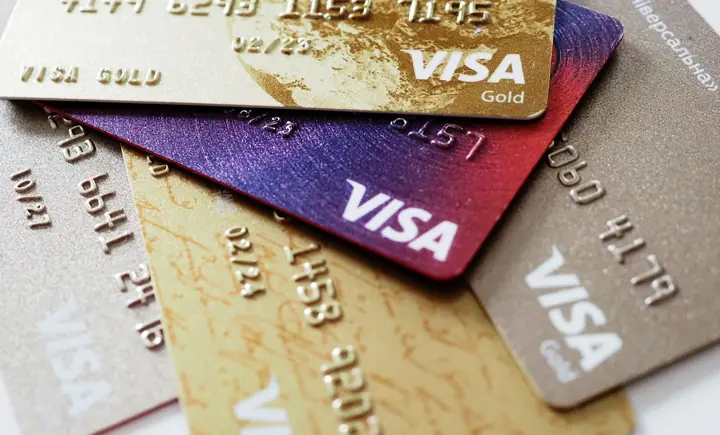

Visa is making a $2.4 billion bet that the next major battle in payments will be fought before a transaction reaches the checkout.
The company has agreed to buy BioCatch, a Tel Aviv-based fraud-intelligence specialist that studies how customers type, swipe and handle their devices. Visa wants to use those behavioral signals to help banks recognize account takeovers, scams and manipulated customers earlier.
The all-cash transaction involves funds advised by private-equity firm Permira and BioCatch’s other shareholders. It remains subject to regulatory approval.
The deal at a glance
- Purchase price: $2.4 billion in cash
- Buyer: Visa
- Company acquired: BioCatch
- Seller: Permira-advised funds and other shareholders
- Expected closing: By the end of Visa’s fiscal second quarter of 2027
- Main purpose: Detect scams and account takeovers before payment
A security check that looks beyond passwords
BioCatch’s behavioral biometrics do not work like fingerprint or facial-recognition systems. Its software evaluates how a person behaves during an online or mobile banking session.
More than 3,000 anonymized signals can be assessed, including typing rhythm, mouse movements, touchscreen gestures, device handling, network activity, remote-access tools and signs of a jailbroken device.
Machine-learning models use these signals to estimate whether the person appears to be the genuine customer, a bot or someone operating with stolen credentials.
The technology can also look for signs that a legitimate customer is being coached or pressured by a scammer. A bank could respond with a warning, request additional verification, pause a transfer or refer the session to its fraud team.
Why Visa wants protection before money moves
Visa says scams and account takeovers cost the global economy more than $1 trillion annually. Generative AI is making realistic impersonation, automated attacks and deceptive messages easier for criminals to produce in large numbers.
Traditional fraud controls often concentrate on the transaction itself. BioCatch can assess risk earlier, beginning when someone opens an account or signs in and continuing until a payment is prepared.
This approach addresses account takeovers, fraudulent applications, money-mule activity, malware, SIM swapping and social engineering. The same shift is visible in the wider rise of digital scams designed to bypass conventional security checks.
The scale Visa is acquiring
BioCatch was founded in 2011 and now serves more than 350 financial institutions in 21 countries. Its customers include over 100 of the world’s largest banks.
The company protects approximately 760 million users across 1.8 billion devices and analyzes around 19 billion digital sessions every month.
Visa confirmed those figures in its official BioCatch deal announcement.
Visa’s own network connects nearly 14,500 financial institutions across more than 200 countries and territories. It processes over 329 billion transactions annually, representing more than $17 trillion in payment value.
That distribution could help BioCatch reach more banks, although Visa has not identified which clients or countries would receive the technology first.
A larger business beyond card fees
The acquisition will expand Visa’s value-added services division, which sells cybersecurity, fraud prevention, risk management, analytics and advisory products.
This division provides revenue that is not tied solely to the number or value of card transactions. Visa has invested more than $13 billion in technology and infrastructure during the past five years to combat fraud.
Financial institutions are also exploring how AI can support fraud awareness and prevention while criminals use similar technology to improve their attacks.
Permira’s investment gained value quickly
Permira first invested in BioCatch in 2023 before acquiring a majority stake in 2024, when the business was valued at approximately $1.3 billion.
Visa’s $2.4 billion price is about 85% above that earlier valuation. The comparison is not exact because the transactions may involve different ownership structures and terms.
BioCatch’s revenue and gross profit reportedly increased approximately threefold under Permira’s ownership. Visa has not disclosed the company’s current revenue, profitability, integration costs or expected contribution to earnings.
AstraZeneca–Bristol Myers Squibb Merger Talks: What We Know About the Reported $400 Billion Deal
Prysmian and Molex Partner to Speed Up AI Data Centre Connectivity
Visit the homepage for the latest business, technology and market news
Visa and Mastercard strengthen their defenses
Payment networks have increasingly used acquisitions to expand their cybersecurity capabilities. Visa purchased fraud-prevention company Featurespace in 2024.
Mastercard completed its $2.65 billion acquisition of Recorded Future that same year. Recorded Future concentrates on external threat intelligence, while BioCatch specializes in behavior within digital-banking sessions.
What changes for customers
There is no immediate change for every Visa cardholder. BioCatch software is generally integrated into participating banks’ websites and apps, where it operates in the background.
BioCatch says it uses anonymized behavioral and device signals rather than maintaining a conventional database of faces or fingerprints. Banks will remain responsible for how they use its risk assessments and must comply with applicable privacy rules.
The acquisition is expected to close around March 2027, based on Visa’s current timetable. Until regulatory reviews and other closing conditions are completed, Visa and BioCatch will continue operating as separate businesses.

Make Swikblog your go-to source on Google for reliable updates, smart insights, and daily trends.