
Written by Jordan Mitchell
A major pricing change is rolling out across some of America’s most famous national parks in 2026 — and for many travelers, it could meaningfully shift the cost of a once-in-a-lifetime trip.
What’s changing in 2026?
Non-U.S. residents aged 16 and older will pay an additional $100 per person to enter 11 of the most visited national parks — on top of the standard entrance fee, according to the U.S. National Park Service.
The 11 parks where costs are going up
The National Park Service says the nonresident fee applies at the following parks:
- Acadia (Maine)
- Bryce Canyon (Utah)
- Everglades (Florida)
- Glacier (Montana)
- Grand Canyon (Arizona)
- Grand Teton (Wyoming)
- Rocky Mountain (Colorado)
- Sequoia & Kings Canyon (California)
- Yellowstone (Wyoming / Montana / Idaho)
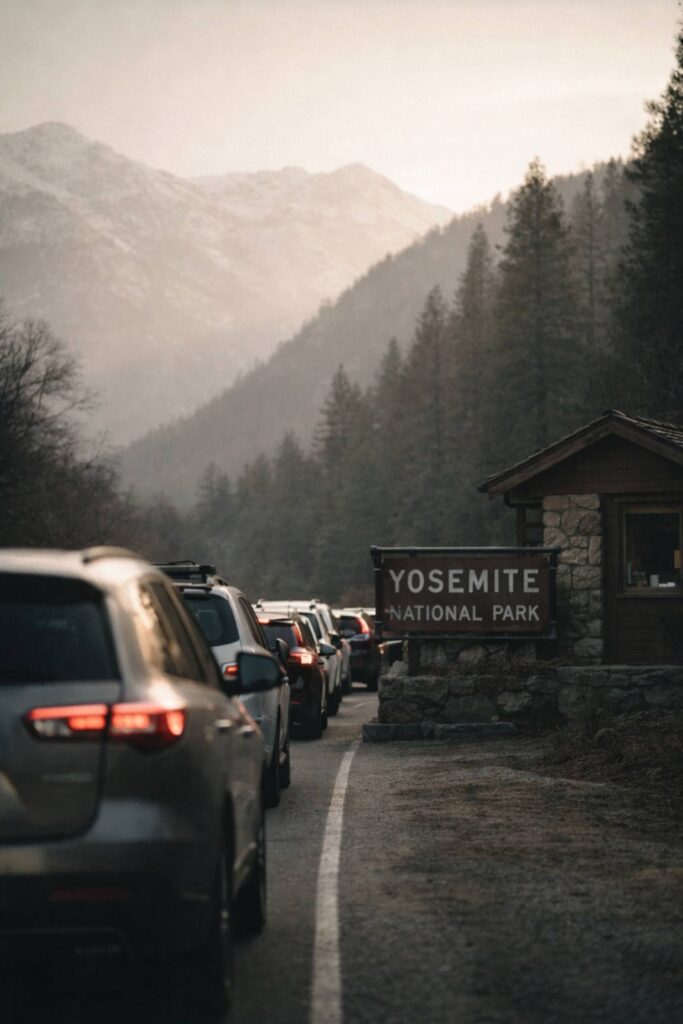
- Yosemite (California)
- Zion (Utah)
For the official policy details, visitors can review the National Park Service guidance here: NPS nonresident fees (official).
How much more will a trip cost?
The key detail is that this is a per-person fee for non-U.S. residents aged 16+. That means the increase can add up quickly for couples, families, or groups traveling together — especially if you’re planning a multi-park itinerary through the American West.
Because standard entrance fees vary by park (and some parks charge per vehicle), the total “new” cost depends on your party size and how you enter. The cleanest way to avoid surprises is to check the specific park’s entrance rules before you go and budget for the additional per-person nonresident fee where applicable.
What about the annual pass?
The National Park Service says the America the Beautiful Annual Pass will have different pricing tiers in 2026, with a higher price for nonresidents. If you’re planning multiple parks, an annual pass may still make sense — but travelers should compare the pass cost with how many fee-based parks they’ll realistically visit.
The U.S. Department of the Interior also outlined the broader 2026 access changes (including digital passes and updated policies) in its announcement here: Department of the Interior release (official).
Why this matters for travel planning
For travelers mapping out 2026 trips now, the biggest practical takeaway is simple: these 11 headline parks are already among the hardest to visit on short notice because of crowds, weather windows, and peak-season demand. If costs are rising, it makes planning — dates, passes, and park priorities — even more important.
If you’re traveling internationally, build the new fee into your “must-do” park list early. And if you’re deciding between parks, it may be worth balancing iconic stops (like Yosemite or Yellowstone) with nearby national monuments, state parks, and scenic byways that can be just as memorable — often with fewer bottlenecks.
You May Also Like
Frequently Asked Questions: U.S. National Park Fees in 2026
Who has to pay the new $100 national park fee in 2026?
The additional $100 fee applies to non-U.S. residents aged 16 and older visiting select national parks in 2026. It is charged per person and is added on top of the park’s standard entrance fee.
Does the fee apply at all U.S. national parks?
No. The new fee applies only at 11 of the most visited national parks, including Yosemite, Yellowstone, the Grand Canyon, Zion, and Rocky Mountain. Most other national parks and monuments are not affected by this specific surcharge.
Will U.S. residents have to pay more to visit national parks in 2026?
U.S. residents will continue to pay standard entrance fees or use the America the Beautiful Annual Pass. The additional $100 surcharge is targeted at nonresident visitors and does not apply to U.S. citizens.
Is the America the Beautiful pass still worth it in 2026?
For travelers planning to visit multiple national parks, an annual pass may still offer savings. However, non-U.S. residents should compare the higher-tier pass cost with how many fee-based parks they expect to visit.
Why are national park fees increasing in 2026?
The National Park Service says the changes are designed to help fund maintenance, improve visitor services, and manage record-level crowding at America’s most popular parks, while keeping access affordable for U.S. residents.

Make Swikblog your go-to source on Google for reliable updates, smart insights, and daily trends.