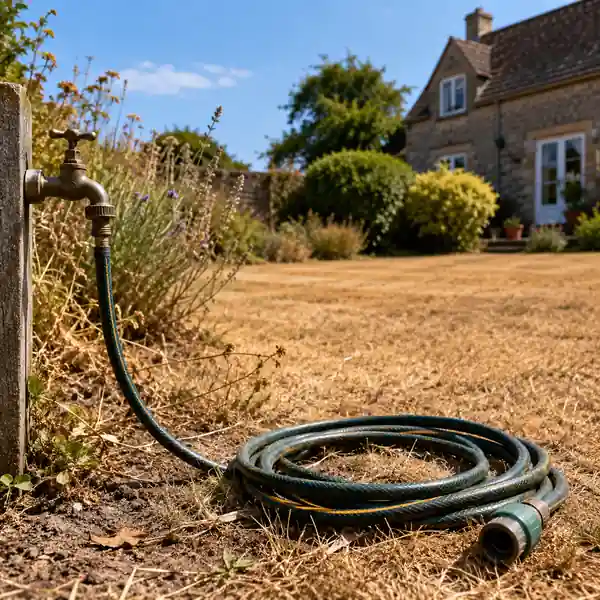

Wessex Water will introduce its first hosepipe ban in 50 years from Tuesday, August 18, 2026, after prolonged dry weather and more than 40 days of exceptionally high demand put sustained pressure on the regional water network.
The Temporary Use Ban takes effect at 12.01am and will affect around 1.4 million customers in Bath and parts of Somerset, Dorset and Wiltshire. The region has been formally declared in drought, while demand has remained above 400 million litres a day — roughly 30% higher than the seasonal average.
Wessex Water recorded its highest demand on July 11, when 449 million litres were used. The company says the challenge is not an immediate shortage of water for essential household use, but moving enough treated water through the network while storage reservoirs replenish.
The announcement adds to wider pressure on UK infrastructure during periods of extreme weather. Earlier in 2026, a major water supply incident in Kent and Sussex disrupted thousands of households, while a rare summer electricity grid warning during the 40°C heatwave showed how prolonged heat can strain essential networks in different ways.
Why Wessex Water has introduced restrictions now
Extended dry conditions have increased household consumption at the same time as dry, shifting ground raises the risk of cracked underground pipes and leaks. Wessex Water says its teams have been locating and repairing more leaks this summer, with the number found and fixed increasing by more than a third during the past month.
The company has invested in resilience over several decades, including a £230 million integrated water-supply grid that allows water to be moved around the region. It also says more than £16 million has been invested in water-supply assets during the past three months. Even with that infrastructure, prolonged peak demand can reduce how quickly treated-water storage recovers.
That is why the ban is intended to cut discretionary outdoor consumption rather than limit normal drinking, cooking or washing. Wessex Water is also contacting larger business customers and asking high-volume users to reduce non-essential demand.
What customers cannot use a hosepipe for
From August 18, affected households must not use a hosepipe to water gardens or plants, wash private vehicles, clean patios, paths, driveways, walls or windows, or fill and maintain domestic swimming and paddling pools. Restrictions also cover some recreational water uses, ponds and ornamental fountains.
Customers can still use alternatives such as watering cans and buckets where permitted. Wessex Water is encouraging households to let lawns turn brown, reuse suitable household water on plants, move pots into shade, keep showers short and avoid unnecessary car washing.
Some exemptions apply. Customers who cannot make reasonable adjustments because of a health condition or disability may be exempt, while certain uses connected with health and safety, animal welfare and specified business activities are excluded. The company’s official drought plan explains how temporary-use restrictions form part of its drought response.
Why the first ban since 1976 matters
Wessex Water last imposed hosepipe restrictions during the drought of 1976. The 50-year gap makes the 2026 decision notable, particularly because the company has previously highlighted investment aimed at making supplies more resilient during dry periods.
The measure is also part of a broader summer pattern across England. More than 27 million people were reported to be living under hosepipe restrictions by August 17, with several suppliers introducing bans at different times. Restrictions are determined by individual water-company supply areas, so neighbouring communities may face different rules even during the same drought.
UK School Closures in 38°C Heatwave: What Parents and Students Need to Know
London Train Disruptions Today: Rail Services Affected by the Heatwave
When could the hosepipe ban be lifted?
There is no confirmed end date. Wessex Water will continue assessing demand alongside reservoir storage, groundwater levels, river flows and weather conditions before restrictions are removed.
A short spell of rain may not be enough on its own after months of dry weather because water resources and treated-water storage need time to recover. For customers, the immediate change is straightforward: essential water use continues as normal, but hosepipes must not be used for restricted activities unless a valid exemption applies.

Make Swikblog your go-to source on Google for reliable updates, smart insights, and daily trends.