Updated: 9:41am BST, Tuesday, June 23, 2026
School closures are now being confirmed across parts of England as an exceptional June heatwave pushes classroom safety into urgent focus for parents, pupils and teachers. With temperatures forecast to climb close to 40C in some areas, dozens of schools have moved to full closures, early finishes or online learning as red heat alerts raise concerns over children’s health.
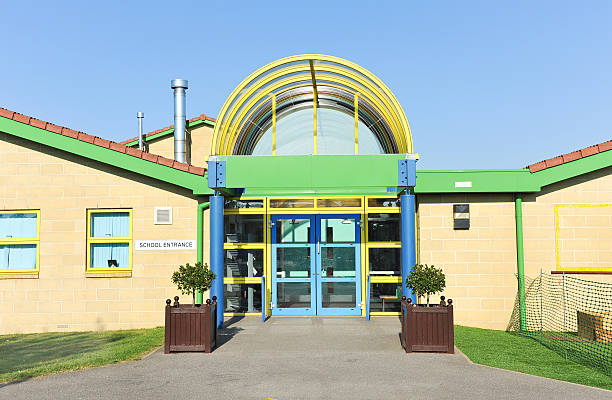
The closures are not nationwide, and there is still no automatic rule requiring every UK school to shut during extreme heat. But the latest updates show that some headteachers and academy trusts are no longer treating this week’s weather as a normal summer disruption. Schools in parts of South East England, South West England, London, the East Midlands and the East of England have already confirmed changes to the school day.
The most affected schools are making decisions based on local risk assessments, building conditions and the vulnerability of pupils. Some are closing entirely on the hottest days. Others are finishing at lunchtime, moving lessons online or relaxing uniform rules so children can attend in lighter clothing.
Schools closing or finishing early as heat risk rises
The latest confirmed closures include schools across London, Berkshire, Hampshire, Wiltshire, Gloucestershire, Buckinghamshire, Bedfordshire, Somerset and other affected areas. In London, Sydenham School and Wren Academy in Enfield are among the schools named in closure or early-finish updates. In Berkshire and Reading, schools including The Bulmershe School, Reading School, King’s Academy Prospect, Churchend Primary School, Radstock Primary School, Maiden Erlegh School, South Lake Primary School, River Academy and Katesgrove Primary School have been listed among those affected.
In Wiltshire, named schools include Pewsey Vale School, Dilton Marsh Primary, Kingdown School, Clarendon Academy, Silverwood School, St John’s Marlborough School, Malmesbury School and New Close School. Some schools are not closing for the full day but are ending lessons early so pupils can avoid the most intense afternoon heat.
Hampshire and nearby areas have also seen confirmed changes, with schools including Cranbourne School in Basingstoke, Eggar’s School in Alton, Grateley Primary School, Swanmore College, Creswood Community School, Harrow Way Community School and The Hurst School in Tadley named among affected sites.
In Buckinghamshire, a long list of schools has been affected, including Gerrards Cross CofE School, Hughenden Primary School, Princes Risborough Primary School, Chalfonts Community College, Denham Village School, Dropmore Infant School, Kingsbrook View Academy, Misbourne School, Overstone Combined School, Brookmead School Bourton, Meadow Academy, Aylesbury Vale Academy, Green Ridge Primary Academy, Orchard View Primary Academy, Ivingswood Academy, Chepping View Primary Academy and Wooburn Green Primary School.
Other named schools include Isebrook School in Kettering, Woodland Middle School Academy in Flitwick for Years 7 and 8, The Dorcan Academy in Swindon, Kingsholm Primary in Gloucester, Finlay Community School, Archway School in Stroud, St Michael’s Academy in Somerset, Filton Avenue Nursery School, Fairfield High School and Elmfield School for Deaf Children.
The picture is changing quickly, and parents should not assume that one school’s decision applies to another. Nearby schools may make different choices because one building may have shaded classrooms and ventilation while another may have older rooms that trap heat. Local closures can also depend on transport, staffing, medical needs and whether pupils can safely continue learning online.
Some Oxfordshire families have already seen heat-related changes to the school day, with Oxfordshire schools closing early during a red heat alert and 35C heatwave, showing how local decisions can move faster than national guidance when buildings become difficult to manage.
No national closure rule, but schools can act locally
The Department for Education says schools are not normally advised to close during hot weather, because attendance is important and many risks can be reduced through practical measures. Its guidance says schools and early years settings can keep children safer by changing routines, reducing heat exposure and following public health advice during heat alerts.
That position does not stop schools from closing where leaders believe conditions are unsafe. Headteachers are expected to carry out risk assessments and consider the specific needs of pupils and staff. A school with very hot classrooms, limited shade, vulnerable children or no realistic way to keep pupils cool may decide that a full or partial closure is necessary.
Parents should therefore treat direct school communication as the most reliable source. Email alerts, school apps, text messages, local authority pages and academy trust updates should be checked before children leave home. A school may also announce a shorter day, online lessons or a uniform change rather than a complete closure.
The Department for Education’s hot weather guidance says children are more at risk of heat-related illness than adults and sets out practical steps for schools to reduce risk during heatwaves.
Red alerts raise the pressure on classroom safety
The latest closures come as red heat-health alerts and extreme weather warnings increase concern over the impact of high temperatures. A red alert is used when heat is expected to create serious risks beyond the most vulnerable groups, with potential pressure on health services, schools, transport and daily routines.
For schools, the problem is not only the outside temperature. Classrooms can become hotter than the forecast, especially in older buildings with poor ventilation, large windows, flat roofs, dark surfaces or rooms facing the afternoon sun. Crowded classrooms can also heat up quickly, leaving pupils tired, restless and less able to concentrate.
Teachers and school leaders have warned for years that some buildings become extremely difficult to manage during heatwaves. Children may feel faint, develop headaches, become dehydrated or struggle to focus. Staff also have to manage lessons, behaviour and safeguarding while coping with the same heat themselves.
The National Association of Head Teachers has told members that while there is no legal upper temperature limit for schools, leaders will be doing what they can to reduce the effects of very high temperatures. Teaching unions have also called for clearer maximum temperature rules in schools, arguing that pupils and staff need stronger protection as extreme heat becomes more common.
What parents should do before sending children to school
Parents should check their school’s latest message before the morning journey, even if the school was open the previous day. During a fast-moving heatwave, arrangements can change overnight or during the school day.
If a school remains open, children should take a refillable water bottle and be reminded to drink regularly. Sunscreen should be applied before school, and pupils should wear a sun hat if the school allows it. If uniform rules have been relaxed, lighter clothing or PE kit may be permitted, but parents should follow the exact rules issued by their child’s school.
Families should also tell the school if a child has a condition that could make heat more dangerous. Children with asthma, heart conditions, diabetes, kidney problems, disabilities, complex health needs or medication needs may require extra support. Pupils with special educational needs may also struggle more in hot, noisy or crowded rooms.
Heat illness can appear as dizziness, headache, unusual tiredness, nausea, confusion, heavy sweating, cramps or faintness. A child who feels very unwell, stops sweating despite being hot, becomes confused or appears unusually drowsy may need urgent medical attention.
Official UK Health Security Agency guidance for hot weather in schools and early years settings advises education staff to reduce heat exposure, limit vigorous activity and watch closely for symptoms of heat-related illness.
What schools may change during the heatwave
Where schools stay open, parents can expect a range of adjustments. Outdoor PE may be cancelled, moved indoors or replaced with low-intensity activity. Breaktimes may be shortened or moved to shaded areas. Assemblies in hot halls may be avoided. Lessons may be moved to cooler rooms where possible, while blinds and curtains may be used to block direct sunlight.
Schools may also allow pupils to remove blazers, ties and jumpers, wear PE kit, refill water bottles more often or spend additional time indoors. Some schools may close only for certain year groups if their classrooms are in the hottest parts of a building or if younger pupils are judged to be at greater risk.
For secondary pupils, exam arrangements and revision sessions can also be affected. Schools may need to ensure rooms are ventilated, water is available and pupils are not sitting for long periods in extreme heat without support. Students preparing for GCSEs, A-levels or end-of-year assessments may find concentration harder during the hottest hours of the day.
For younger pupils, the school journey can be just as important as the classroom. Parents should plan shaded walking routes where possible, allow extra time, avoid rushing children in direct sun and make sure they have water for the trip home. Pupils waiting for buses or trains may need reminders to stand in shade and avoid running or playing in the heat.
Why the debate over school heat limits is growing
The latest closures have renewed questions over whether the UK needs a maximum temperature limit for classrooms. At present, there is no fixed legal temperature at which schools must close. Instead, schools must manage risk and keep pupils and staff as safe as reasonably possible.
Unions argue that this leaves too much uncertainty for families and too much pressure on headteachers. They say some school buildings are not designed for repeated extreme heat and that staff need clearer rules for when rooms become unsuitable for learning.
Older school sites may have poor insulation, limited ventilation and playgrounds with little shade. Some newer buildings can also overheat if they have large glass areas or lightweight materials that hold warmth. As hotter summers become more frequent, schools may need better shading, ventilation, cooling systems and building upgrades rather than relying only on short-term changes during alerts.
For this week, the advice for families is clear: check school updates early, prepare children for heat, follow local instructions and take symptoms seriously. Most schools will try to remain open where it is safe, but the growing number of closures shows that this heatwave is already disrupting education across parts of England.

Make Swikblog your go-to source on Google for reliable updates, smart insights, and daily trends.