The U.S. Department of Justice has launched a civil rights investigation after protesters disrupted a worship service at Cities Church in St. Paul, Minnesota — an incident federal officials say may fall under the Freedom of Access to Clinic Entrances (FACE) Act.
The case has drawn national attention because many Americans associate the FACE Act with abortion-clinic disputes. But the law also protects people exercising their right to worship — and that’s why a protest inside a church can become a federal civil rights matter.
What happened inside the church
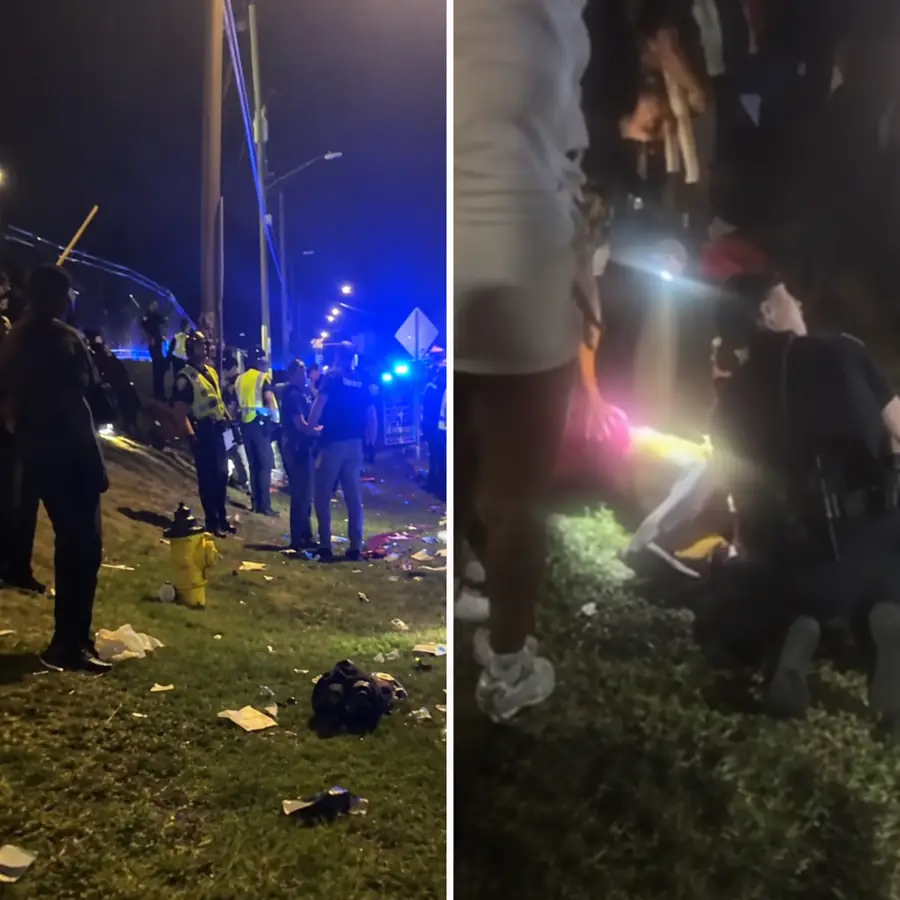
Reports from the Twin Cities say demonstrators entered the church during a Sunday service, chanting and interrupting worship. The protest was linked to immigration enforcement issues, with demonstrators accusing a pastor of ties to ICE and raising slogans connected to a recent local flashpoint.
The DOJ is now reviewing what happened, including video evidence and witness accounts, to determine whether the disruption crossed the legal line from protest into unlawful interference with religious worship.
What the FACE Act is
The FACE Act is a federal law passed in 1994. It is best known for targeting conduct such as force, threats, and blocking access at reproductive health facilities. But it also contains protections related to places of religious worship.
In plain terms, the FACE Act makes it illegal to use force, threats of force, or physical obstruction to intentionally injure, intimidate, or interfere with someone because they are obtaining or providing certain services — or because they are exercising their right to worship at a religious site.
For readers who want the official explanation, the U.S. Justice Department’s civil rights section outlines how the law applies to clinics and houses of worship here: DOJ overview of the FACE Act.
And the statutory text itself is available in a readable format here: 18 U.S. Code § 248 (FACE Act) via Cornell Law School.
Why the DOJ is investigating this Minnesota protest
The central question for federal investigators is not whether people can criticize ICE or hold demonstrations — those are classic First Amendment activities. The question is whether what happened inside the church involved conduct the law bans: intimidation, interference, or obstruction aimed at people engaged in worship.
Prosecutors typically look closely at the specifics: whether the disruption involved physical blocking, whether anyone was threatened, whether worshippers felt unable to continue the service, and whether the action was directed at the religious practice itself rather than being a protest nearby.
The distinction that matters legally is often simple: protesting about something is protected — but physically interfering with people while they are exercising a protected right can trigger civil rights enforcement.
What happens next
A civil rights investigation does not automatically mean criminal charges will follow. Investigators usually review footage, collect statements, and assess whether the legal elements of the statute are met before any charging decision is made.
Whatever the outcome, the episode has become a wider test of where the boundary sits between protest tactics and the protected space of religious worship — and it has revived national debate about how the FACE Act is used outside its most familiar context.

Make Swikblog your go-to source on Google for reliable updates, smart insights, and daily trends.