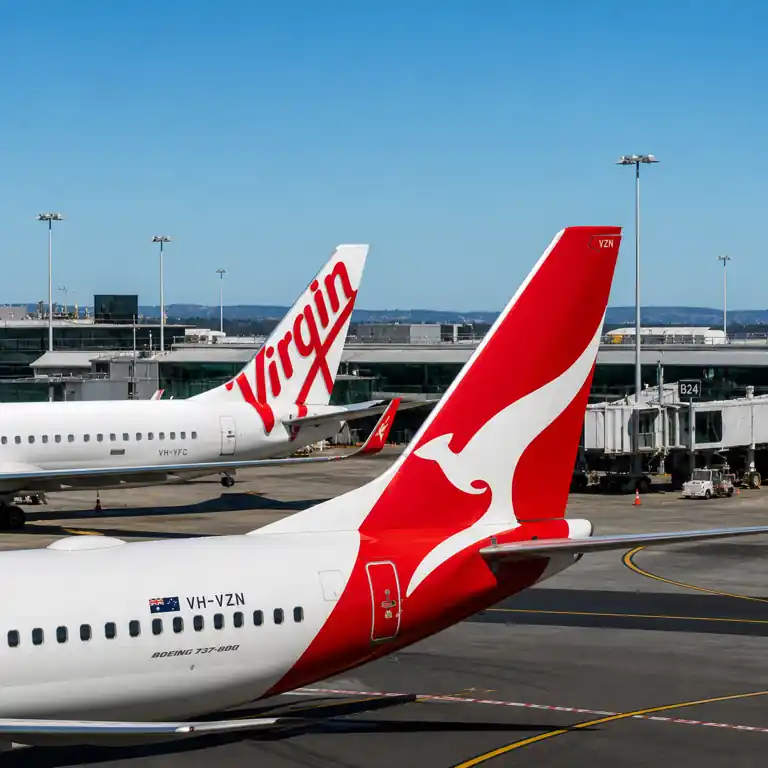

Australian travellers are navigating one of the most unpredictable airfare environments in recent years. Ticket prices are climbing, flight options are tightening, yet airlines like Qantas and Virgin Australia continue to promote large-scale discount sales. While this may seem contradictory, it reflects a deeper shift in how airlines are managing rising costs and changing travel demand.
The key driver behind this shift is the sharp rise in jet fuel prices. Following geopolitical tensions in the Middle East, global energy supply chains have been disrupted, pushing aviation fuel costs significantly higher. For airlines, fuel is not a marginal expense—it is one of the largest components of their cost base. When it spikes, airlines have little choice but to respond.
Qantas has already indicated that its fuel expenses could surge by hundreds of millions of dollars in 2026. In response, it has increased fares, reduced domestic flight capacity, and adjusted its international routes. Virgin Australia has taken a similar approach, raising ticket prices and slightly trimming capacity to offset rising operational costs.
Why airlines are increasing fares
When costs rise rapidly, airlines typically pass some of that burden onto passengers. Higher airfares help protect margins, especially during periods of uncertainty. In addition to fuel, airlines are also dealing with rising airport charges, maintenance costs and broader inflationary pressures.
Another important factor is capacity reduction. Qantas and Virgin have both cut the number of available seats on certain routes. When fewer seats are available and demand remains steady, prices naturally increase. This is basic supply and demand at work.
At the same time, airlines are repositioning aircraft to routes where demand is stronger. For example, European routes have seen sustained demand, prompting airlines to allocate more flights there while scaling back less profitable domestic or regional services.
Why cheap flight deals are still being offered
Despite these rising costs, airlines continue to release discounted tickets. This is not a contradiction—it is a deliberate strategy rooted in airline revenue management.
Airlines do not sell every seat at the same price. Instead, they use dynamic pricing systems that adjust fares in real time based on demand, timing and booking patterns. Some passengers end up paying higher fares—especially for last-minute bookings—while others secure cheaper deals by booking early or during promotions.
This is why airlines can increase overall airfare levels while still offering millions of discounted seats. The goal is to maximise total revenue, not to maintain a uniform price.
For a deeper look at how airlines balance pricing and demand, the International Air Transport Association regularly publishes insights into global aviation trends and cost structures.
Discount sales also serve another purpose: filling seats that might otherwise go empty. Once a plane departs, any unsold seat represents lost revenue. Even at lower prices, selling those seats helps airlines improve overall profitability.
Australia’s reliance on imported fuel
The situation is further complicated by Australia’s heavy reliance on imported jet fuel. A large portion of the country’s aviation fuel comes from overseas, making airlines vulnerable to supply disruptions.
Recent developments suggest that fuel supply may improve slightly, with additional shipments being secured from Asia. However, industry experts caution that while increased supply may ease pressure over time, prices are still expected to remain elevated in the near term.
This means travellers should not expect immediate relief in airfare prices, even if fuel availability improves.
What it means for travellers
For passengers, the current market requires a different approach to booking travel. Prices are no longer moving in a single direction. Instead, they fluctuate based on route, timing and demand.
Read More
Travellers who are flexible with their dates and destinations may still find good deals during airline sales. However, those booking closer to departure dates or travelling during peak periods are more likely to face higher fares.
Understanding how pricing works can make a significant difference. Insights and travel strategies shared on platforms like Swikblog highlight how timing, demand patterns and airline strategies influence ticket prices, helping travellers make more informed decisions.
Looking ahead, airfare volatility is expected to continue. Fuel costs, geopolitical risks and shifting demand patterns will keep influencing airline pricing strategies. While discounts will remain part of the market, they will likely become more targeted and limited.
In simple terms, airlines are walking a tightrope. They need to raise prices to cover rising costs, but they also need to keep planes full. That balance is what creates the unusual situation travellers are seeing today—higher average fares alongside headline-grabbing sales.
For now, the best strategy for travellers is to stay flexible, monitor deals closely and book early when possible. In a market shaped by uncertainty, timing has become just as important as destination.

Make Swikblog your go-to source on Google for reliable updates, smart insights, and daily trends.