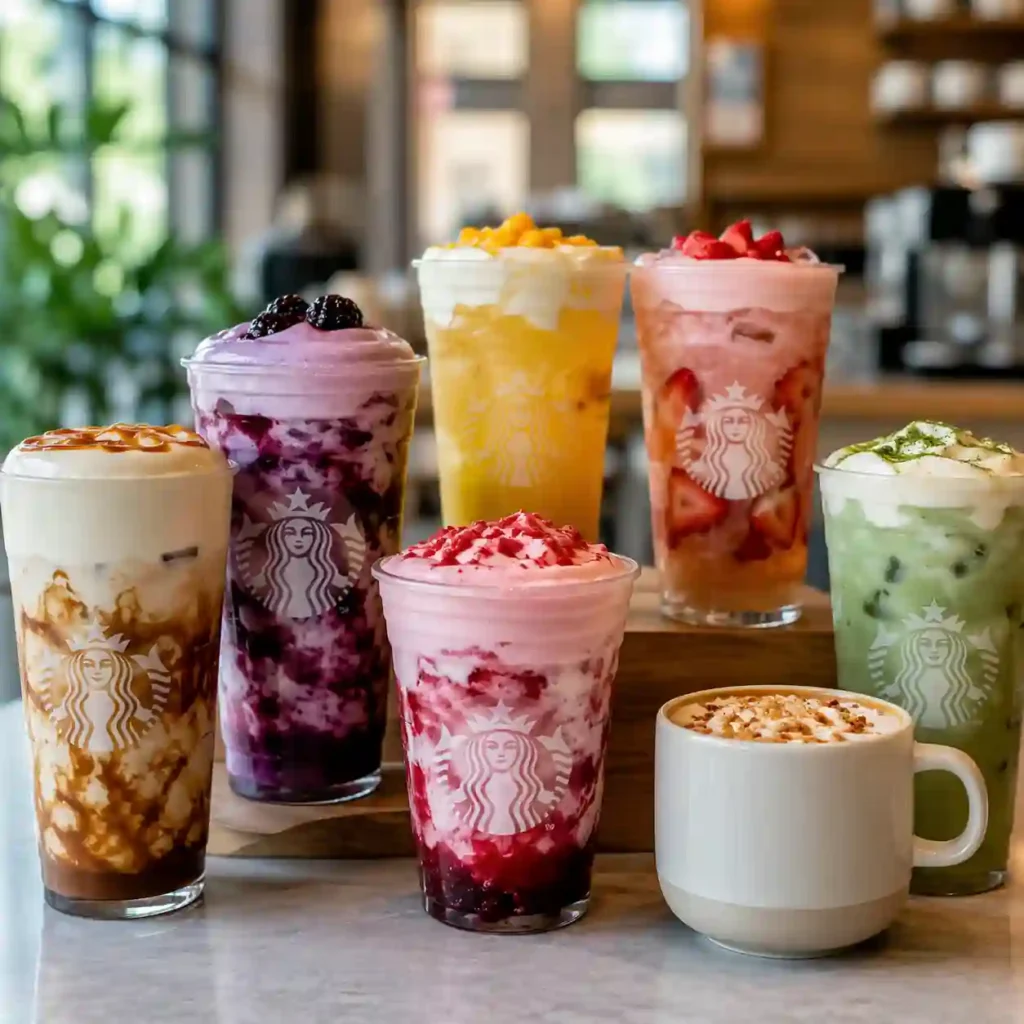

America’s coffee menus are getting brighter, sweeter and more customizable in 2026, as Starbucks, Dunkin’, Dutch Bros, 7 Brew and even McDonald’s respond to growing demand for fruit-flavored cold drinks and creamy foam toppings.
The trend is not simply about adding raspberry or mango syrup to coffee. It reflects a broader shift in consumer preferences, with more customers looking for beverages that feel refreshing, personalized and visually appealing. For coffee chains, fruit flavors and premium cold foam are also creating new opportunities to increase customer spending through optional upgrades.
Starbucks is reshaping its beverage strategy
Starbucks says more than 60% of the new beverages it has introduced since 2024 feature at least one fruit flavor. Raspberry, strawberry, mango, coconut, banana and pistachio are among the flavors attracting customers, particularly in iced beverages that continue to dominate seasonal menus.
The expansion comes while CEO Brian Niccol continues simplifying Starbucks’ overall menu as part of the company’s turnaround strategy. Rather than adding dozens of entirely new drinks, Starbucks is focusing on flexible beverage platforms that allow customers to customize existing favorites with fruit syrups, flavored foams and seasonal toppings.
The company’s latest summer menu reflects this approach with new fruit-inspired beverages. Starbucks has outlined its seasonal lineup, including the Tropical Butterfly Refresher and Horchata-inspired drinks, on the official Starbucks News website.
Cold foam has become one of Starbucks’ biggest premium add-ons
Introduced in 2014, flavored cold foam has evolved from a simple topping into one of Starbucks’ fastest-growing beverage customizations. According to the company, cold foam now represents about one-third of all drink customizations ordered by customers.
The upgrade typically costs around $1.25, making it an attractive premium option for both customers and Starbucks. During the company’s second quarter, Brian Niccol said cold foam sales increased 40% year over year, contributing to a 3% rise in the average U.S. customer ticket.
Fruit-flavored cold foams are growing even faster. Starbucks says the number of fruit-flavored cold foam orders has doubled during the current fiscal year compared with the previous year, with strawberry, raspberry and banana among the fastest-growing choices.
Why fruit-flavored coffee drinks are dominating social media
Unlike traditional caramel or mocha drinks, fruit flavors naturally create bright colors and layered beverages that stand out on social media platforms such as TikTok and Instagram.
One popular example comes from Charlotte-based creator Sarah Margaret Sandlin, who has nearly 350,000 followers across TikTok and Instagram. Her customized Starbucks order combines decaf espresso roast coffee, vanilla syrup, raspberry syrup, oat milk, raspberry cream cold foam and caramel sauce.
The finished drink features a striking purple base, espresso layered through creamy milk and a vibrant pink cold foam topping. Sandlin says colorful fruit drinks perform well online because they immediately catch viewers’ attention while giving customers ideas for their own custom orders.
For Starbucks and other coffee chains, user-generated drink recipes have become an informal source of product inspiration. When customized beverages gain popularity online, they often influence future seasonal flavors and limited-time offerings.
The fruit trend extends far beyond Starbucks
The movement toward fruit-forward beverages is spreading across the coffee industry. Restaurant technology company Olo reported that customers at the ten largest beverage brands on its platform made approximately 60% more fruit-flavor-related drink modifications in May compared with the same period a year earlier.
Dunkin’ says fruit flavors have always been part of its menu, but customer demand has shifted toward combinations that balance nostalgia with new coffee experiences. Industry adviser Nicolas O’Connell notes that today’s drinks echo the popularity of Dunkin’s Coolatta, the frozen beverage introduced in 1995, while offering far greater customization.
Dutch Bros continues building its reputation around creative flavor combinations. Drinks such as the Poppin’ Boba Fire Lizard Rebel combine strawberry, banana and orange syrup with strawberry boba, while mango boba and strawberry fruit toppings remain among customer favorites.
Drive-through chain 7 Brew Coffee is also benefiting from the trend. Founded in 2017, the company expects to reach approximately 1,000 locations by the end of 2026 and says customers continue choosing customizable flavors including mango, pineapple and coconut.
Even McDonald’s has entered the premium beverage market by launching six new drinks, five of which feature fruit flavors and three that include cold foam.
Independent coffee shops are finding their own approach
Large chains are not the only businesses embracing fruit flavors. Independent cafés are developing their own seasonal recipes using locally produced syrups and fresh ingredients.
Rhode Island-based Nitro Bar, for example, pairs homemade tangerine and black raspberry syrups with coffee, matcha and latte beverages. Smaller coffee shops can often experiment with limited seasonal menus more quickly than national chains, helping them attract customers looking for unique local experiences.
The wider restaurant industry is also seeing brands compete through menu innovation and expansion. Readers interested in restaurant growth trends can also explore In-N-Out Burger’s six planned restaurant locations across five U.S. states.
Read More
Why customers continue paying extra for fruit flavors and foam
According to business strategist Nicolas O’Connell, younger consumers increasingly view coffee as more than a daily caffeine purchase. They want beverages that feel like an experience, whether through unique flavors, attractive presentation or the ability to personalize every order.
Fruit syrups provide bright flavors and vibrant colors, while cold foam adds texture and a premium finish. Together, they transform a standard iced coffee into something customers perceive as more indulgent without requiring coffee chains to develop entirely new beverage categories.
That strategy also benefits restaurant operators. Instead of relying only on menu price increases, premium customizations encourage customers to voluntarily spend more on each visit.
Can coffee chains keep the trend going?
While fruit-forward beverages continue gaining popularity, coffee companies also face a challenge. Highly customized drinks require more ingredients, additional preparation time and more complicated ordering systems.
Industry experts believe brands will need to keep introducing fresh seasonal flavors without creating menus that become difficult for employees to prepare or confusing for customers to navigate.
For now, fruit flavors and cold foam are no longer niche additions. They have become central to how Starbucks and its competitors are competing for customers in 2026, combining customization, premium upgrades and visually distinctive drinks that appeal to a new generation of coffee drinkers.

Make Swikblog your go-to source on Google for reliable updates, smart insights, and daily trends.