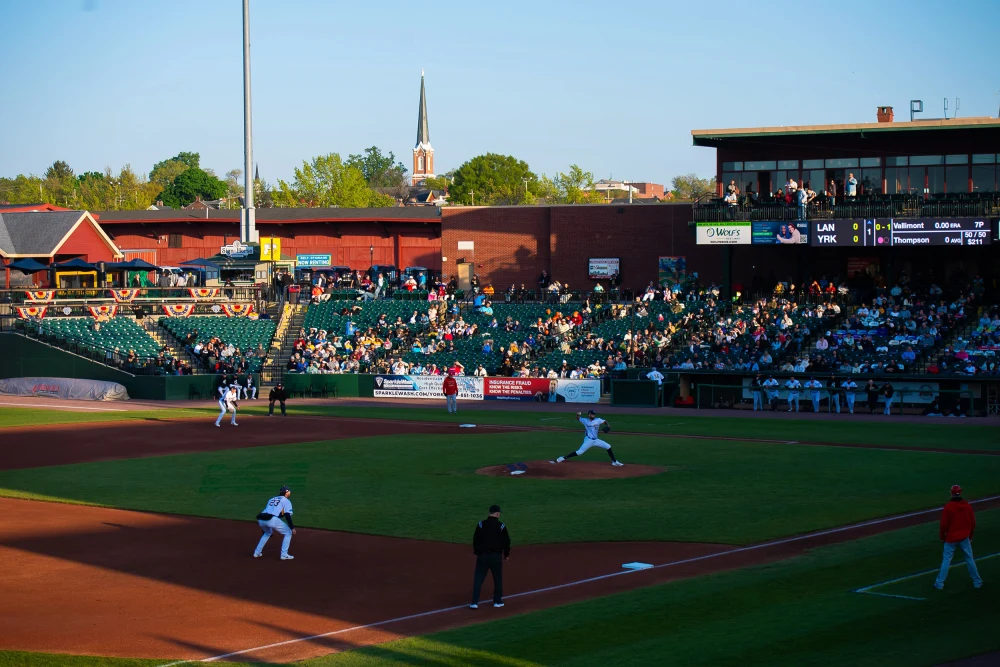

A routine summer baseball game in Pennsylvania turned into one of the most unusual sports stories of 2026 after the York Revolution forfeited a scheduled Atlantic League matchup when several players refused to wear Pride Night jerseys.
The independent professional club announced that its June 18 game against the Southern Maryland Blue Crabs would not be played after multiple players declined to wear uniforms created for the team’s 11th Annual Pride Night celebration. Instead of canceling the community event, York proceeded with Pride Night activities, opened the stadium to fans free of charge and accepted a forfeit.
The decision immediately drew national attention because forfeits in professional baseball are rare, particularly when they stem from disagreements over promotional uniforms rather than weather, travel disruptions or player availability.
How a Promotional Night Became a National Story
Pride Nights have become a common part of the sports calendar across North America, with teams using special uniforms, merchandise and community partnerships to recognize LGBTQ+ communities. York’s event had been planned months in advance and included partnerships with local organizations that have supported the club’s annual celebration for years.
According to the Revolution, several players informed the organization they would not wear the rainbow-themed jerseys scheduled for the event. The team did not publicly identify the players or detail their individual reasons.
Rather than forcing participation or removing the Pride elements from the evening, the organization made a different calculation: preserve the event and accept the competitive consequences.
That choice transformed a local baseball promotion into a national conversation about athlete expression, organizational values and the growing challenges teams face when social issues intersect with sports.
York Revolution’s Response and Community Commitment
In its public statement, the Revolution said the players’ actions were “completely inconsistent” with the club’s vision of being the “Most Welcoming Place in York.” Team officials emphasized that continuing Pride Night was more important than staging the game under those circumstances.
The organization also announced a $10,000 donation to the Rainbow Rose Center, an LGBTQ+ resource organization serving the York area. Fans holding tickets for the scheduled game were offered the opportunity to exchange them for another home game later in the season.
For local supporters, the club’s response signaled that Pride Night was more than a marketing event. York framed the decision as an effort to remain aligned with long-standing community partnerships and commitments that extend beyond baseball.
The Broader Debate Emerging Across Baseball
The York controversy arrived only days after a separate Pride Night discussion involving the San Francisco Giants. During the club’s June 12 event, several Giants players drew attention by either declining to wear Pride-themed apparel or displaying Bible references on their hats.
One of those references, Genesis 9:12-16, has increasingly appeared in sports-related discussions because it describes the rainbow as a biblical symbol. Some Christian athletes have cited the passage when explaining objections to Pride-themed symbolism.
While the circumstances in San Francisco and York were different, both incidents illustrate how Pride Night events have become a recurring point of discussion across professional sports. Teams are increasingly balancing inclusion initiatives, player beliefs, sponsor expectations and fan reactions.
Readers following similar developments in professional sports can explore recent coverage of sports controversies and league developments as organizations continue navigating these issues.
Why This Forfeit Is So Rare
Professional baseball teams rarely forfeit games. When disputes over themed uniforms occur, clubs often find compromises that allow games to proceed. Some teams have permitted individual opt-outs, while others have modified event plans without affecting competition.
York’s decision stands apart because the organization chose not to seek a middle ground on game day. Instead, it accepted the loss and shifted the evening’s focus entirely toward the community event.
The significance is amplified by the Atlantic League’s reputation within professional baseball. The league has served as a proving ground for former major leaguers, emerging prospects and experimental rules later evaluated by Major League Baseball. Because of that visibility, decisions made by Atlantic League clubs often attract attention beyond their local markets.
Read More
What This Could Mean for Future Pride Nights
The York Revolution incident may encourage teams across baseball to review how promotional uniforms are communicated to players before special events. Organizations may also revisit policies regarding participation requirements and accommodations when disagreements arise.
For teams, the episode highlights the reputational and operational risks that can emerge when expectations are not fully aligned. For fans, it demonstrates how modern sports organizations increasingly find themselves at the center of wider cultural conversations.
Whether other clubs adjust their approach remains to be seen, but York’s decision has already secured a place among the most unusual baseball stories of the year—one where a jersey dispute ultimately proved more consequential than the game itself.
Additional information about the Atlantic League can be found through the official Atlantic League website.

Make Swikblog your go-to source on Google for reliable updates, smart insights, and daily trends.