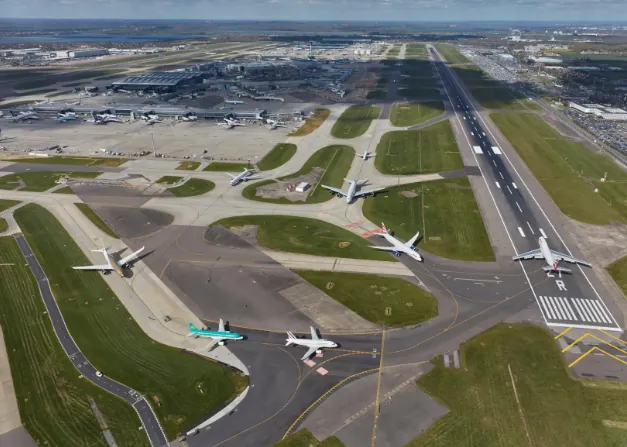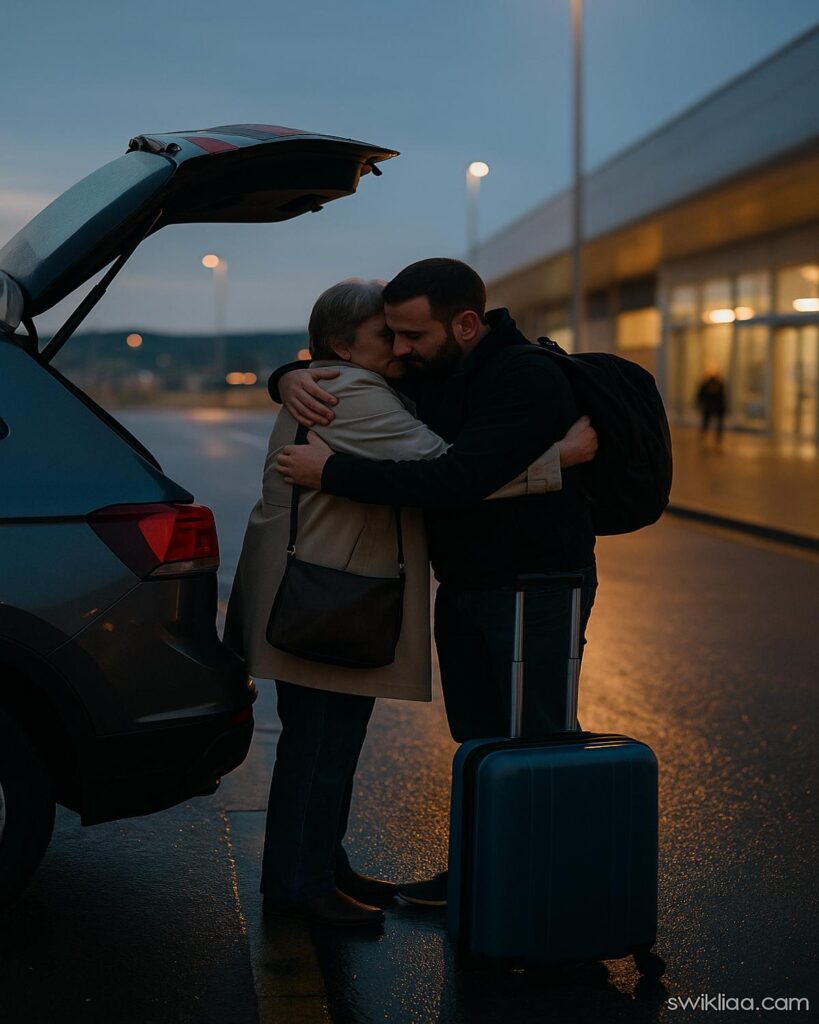

The car door closes. The boot clicks shut. Someone checks the time, not because they’re late — but because the meter is running. What used to be an unremarkable moment — a final hug, a waved smile, a shouted “text me when you land” — now carries a quiet calculation. At Gatwick, saying goodbye has acquired a price. And that’s why this £10 charge has landed far harder than the airport expected.
From early next year, drivers stopping briefly at Gatwick Airport’s terminal forecourts will pay up to £10 to drop someone off, an increase that has sparked widespread discussion since it was reported by Yahoo News UK. On paper, it’s a modest rise — the kind that barely registers in boardrooms and transport briefings. But on the ground, it has struck a nerve because of where it intrudes: into moments that feel personal, ordinary and quietly human.
When Routine Goodbyes Become Metered
Airport drop-offs are not glamorous scenes. They’re messy, emotional, rushed. Parents adjusting rucksacks for first trips abroad. Partners sharing one last coffee. Elderly relatives lingering longer than they should because goodbyes are harder with age. These are not luxury moments — they’re rituals stitched into everyday life.
The irritation many people feel isn’t rooted in the £10 alone. It’s the sense that something previously neutral has become transactional. That even presence — standing there, helping with a bag, waiting through a second hug — now comes with a silent countdown.
Gatwick, like many major airports, argues the charge helps manage congestion and encourages drivers to use long-stay parking or public transport. The airport’s own official drop-off guidance outlines the system clearly, including payment deadlines and alternatives. But clarity doesn’t always translate to acceptance. People understand the policy. What they’re struggling with is the feeling it creates.
Why This Moment Feels Unfair — Even If It’s Legal
There’s a growing fatigue in Britain around “small” charges. Not the headline costs — rent, mortgages, fuel — but the constant drip of minor fees that accumulate silently. Parking apps. Admin surcharges. Booking add-ons. Miss a deadline, pay more. Stay a minute longer, pay again.
Against that backdrop, Gatwick’s fee feels symbolic. Not because it’s unique, but because it arrives at a moment of emotional vulnerability. You’re not a consumer when you say goodbye at an airport. You’re a parent, a partner, a friend. Turning that space into a toll zone reframes the experience — and people are reacting to that reframing.
Social media responses have reflected this mood: not outrage exactly, but resignation. A sense that another ordinary corner of life has been quietly monetised, without much thought given to how it feels on the ground.
A Snapshot of Modern British Life
This is why the story has travelled beyond transport pages and into everyday conversations. It mirrors a broader tension in modern Britain: efficiency versus empathy. Systems designed to flow smoothly, but which leave little room for softness.
Airports are, of course, businesses. Space is limited. Traffic needs controlling. But the backlash suggests people still expect certain moments to feel exempt from the logic of optimisation. A goodbye, many feel, should not be something you rush because your phone reminder says the charge increases after ten minutes.
That doesn’t mean the fee will be reversed. History suggests it won’t. What it does mean is that these policies now land in a changed emotional climate. One where patience is thin, finances are tight, and people are increasingly sensitive to where — and how — they’re being charged.
Why This Story Resonates Beyond Gatwick
- It intrudes on a shared human ritual: not travel, but farewell.
- It reflects cost-of-living pressure: even small fees now feel heavier.
- It raises questions about public space: what should feel free, and what no longer is.
In isolation, £10 is not life-changing. But moments like this rarely resonate in isolation. They resonate because they feel cumulative. Another reminder that time, space and even connection are increasingly measured, timed and priced.
And that’s why this drop-off charge has become more than an airport policy. It’s a small, sharp snapshot of how modern life now feels — hurried, monetised, and just a little less forgiving than it used to be.
You May Also Like

Make Swikblog your go-to source on Google for reliable updates, smart insights, and daily trends.