
U.S. Customs and Border Protection agriculture specialists in Cincinnati seized 337 hatching eggs after discovering them inside a shipment that had been declared as winter jackets.
The shipment arrived from Germany and was headed to Alaska when it was stopped for additional inspection on May 27. According to CBP, agriculture specialists used intelligence-gathering and their expertise to detain the shipment for closer scrutiny.
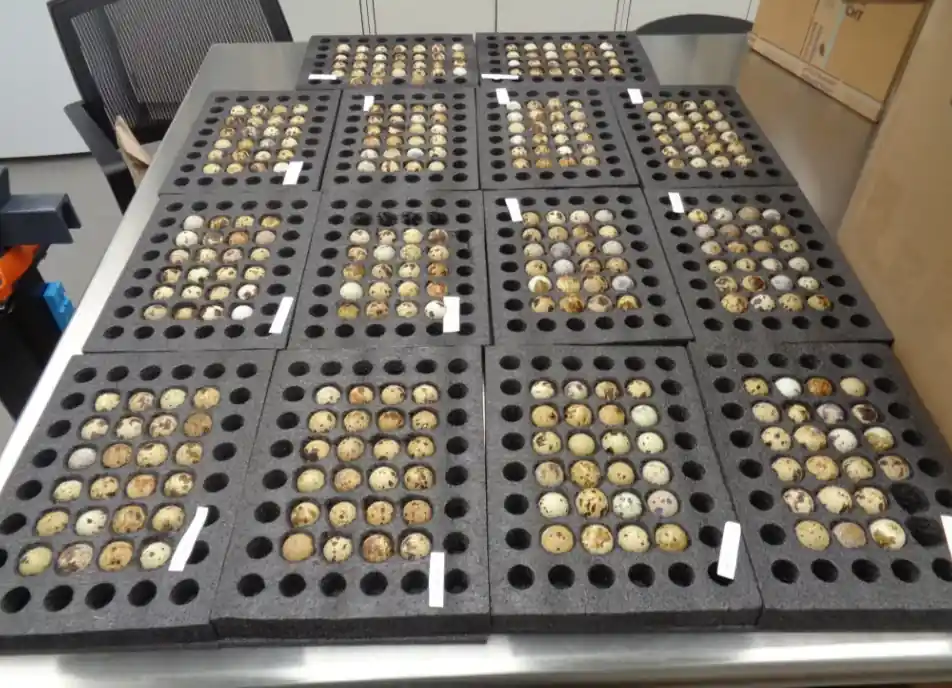
During the inspection, specialists found the hatching eggs packed in foam layers. Officials said the shipment did not have the proper documentation required to bring hatching eggs into the United States.
Why the shipment raised concern
The U.S. Department of Agriculture does not allow hatching eggs to be imported from countries positive for highly pathogenic avian influenza. After the discovery, the eggs were turned over to the local USDA Animal and Plant Health Inspection Service.
Port Director Eric Zizelman of Cincinnati said the interception showed how CBP agriculture specialists help protect the country’s food supply from diseases, pests and contaminants that may enter through international cargo.
“Our nation’s food supply is constantly at risk from diseases not known to occur in the United States,” Zizelman said, adding that the work of agriculture specialists helps reduce threats from non-native pests and diseases.
Read More
Why hatching eggs are tightly regulated
Hatching eggs are not treated like ordinary eggs meant for consumption. They include avian species such as poultry, game birds, racing pigeons and other birds. If there is a market for a live bird, CBP says there is potential for someone to try importing hatching eggs.
These eggs are shipped for hatching or reproductive purposes. After arrival, they can be incubated, hatched and raised, which is why they fall under live-animal regulations for agricultural purposes.
CBP said hatching eggs are highly regulated because they can carry Newcastle disease and avian influenza, both of which can pose serious risks to birds and the wider agricultural system. Importers and travelers are advised to review official rules before bringing animal or plant products into the country through the CBP agricultural items guidance page.
CBP conducts operations at ports of entry throughout the United States, screening international passengers, mail and cargo for narcotics, weapons and restricted or prohibited products. The agency’s work has become increasingly visible alongside wider discussions about border enforcement and international travel screening procedures.
CBP also advises arriving passengers to declare all items acquired abroad to avoid civil or criminal penalties and to reduce the risk of introducing pests or disease into the United States.
The Cincinnati seizure shows how a shipment listed as winter jackets can still carry agricultural risks. In this case, inspectors found hundreds of hatching eggs that officials say required strict handling because of documentation rules and disease-control concerns.

Make Swikblog your go-to source on Google for reliable updates, smart insights, and daily trends.