
Published: Dec 30, 2025 • United States
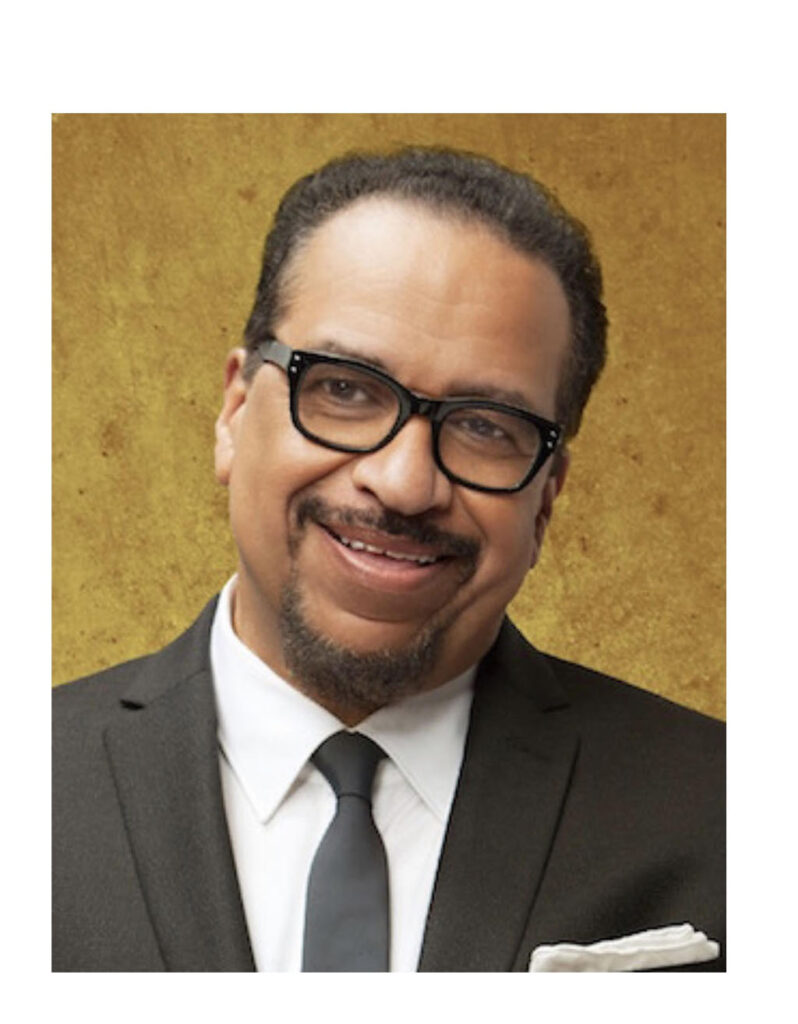
Richard Smallwood — the classically trained gospel composer, pianist and singer whose songs became modern church staples — has died at the age of 77. His publicist said he died in Maryland following complications from kidney failure. In the hours after the news broke, a familiar pattern played out online: people who could sing every note of “Total Praise” from memory, and others who had never known his name, realized they had been living with his music for years.
Smallwood’s catalogue sits in that rare place where artistry and devotion meet without apology. His arrangements could feel as intricate as a conservatory recital, yet the emotional core was always direct: fear, grief, hope, surrender — the full weather of faith. For many choirs, “Total Praise” isn’t simply a song. It’s a ritual for the moments when words run out.
A songwriter whose hymns crossed generations
If you’ve been in a Black church in America in the last three decades, you’ve likely heard Smallwood’s melodies carried by a choir in full flight. “Total Praise,” written during a period of personal sorrow, became one of the most performed contemporary gospel songs of its era — a piece that invites a sanctuary to rise, breathe, and remember what steadies them. “I Love the Lord,” another signature work, reached even wider audiences through Whitney Houston’s celebrated performance on The Preacher’s Wife soundtrack, turning a heartfelt declaration into a cultural landmark.
His music traveled far beyond Sunday morning. Destiny’s Child and Stevie Wonder were among the artists who covered “Total Praise,” a testament to how Smallwood’s writing could move between gospel tradition and the broader musical world without losing its spiritual center.
What we know: Reports from major outlets say Smallwood died at 77 in Maryland, with his publicist citing complications from kidney failure as the cause. (Read more from Variety and the Recording Academy/GRAMMY.com.)
Classical discipline, church urgency
Smallwood’s sound was never accidental. He was shaped by church, yes — but also by formal training that gave him the tools to build gospel music with architectural care. Listeners often describe his writing as “soaring,” and it’s easy to hear why: the chord progressions feel expansive, the voicings are deliberate, the climaxes arrive like a tide. Yet the technique never overpowers the message. The point is not the complexity; it’s the lift.
That balance helped him become a chart presence in gospel recording, with projects that stayed in rotation for months and years. He earned multiple major gospel honors, along with eight Grammy nominations across his career — recognition that mattered, but never seemed to define his purpose. In interviews, he returned again and again to ministry, to the idea that these songs were built to carry people through the hardest parts of life.
Why “Total Praise” became a modern standard
Some songs endure because they’re catchy. Others last because they are useful — spiritually, emotionally, communally. “Total Praise” is useful in the deepest sense. It begins as a private confession and becomes a collective vow. It’s the kind of piece a choir can sing with the congregation, and the kind a grieving family can request when they need the room to hold them. It also gives singers room to testify without showboating: the arrangement does the heavy lifting, the voices do the believing.
The internet often flattens legacies into a single viral clip. Smallwood’s legacy resists that. Even when one chorus trends, it points back to a body of work designed for endurance — music that lives in rehearsal rooms, homegoing services, worship conferences, and late-night headphones when the day has finally gone quiet.
Tributes, replays, and the work that remains
In the wake of his death, tributes have been less like celebrity eulogies and more like testimony. Choir directors have shared memories of first hearing his harmonies and realizing gospel could be both sophisticated and immediate. Fans have posted the same line — “Lord, I will lift mine eyes to the hills…” — as if repeating it might make the loss smaller. And younger listeners, discovering him through the news, are finding what longtime fans already knew: this is music that meets you where you are.
If you want to understand his impact, start with “Total Praise,” then move to “I Love the Lord,” and listen for what he did so well: that ability to build a musical staircase toward something higher, without forgetting the ground we stand on.
You may also like: Visit Swikblog.com for more breaking culture and music stories.
Written by Swikblog Desk • About the author

Make Swikblog your go-to source on Google for reliable updates, smart insights, and daily trends.